Key takeaways:
- The law authorizes tariffs of up to 100% on the five largest buyers of Russian oil and gas, with China and India expected to be most affected.
- The sanctions target Vladimir Putin, senior Russian officials, oligarchs, banks, financial institutions, energy and defence sectors, and Russia’s shadow tanker fleet.
- The bill, named for the late Senator Lindsey Graham, also extends sanctions to Iran’s energy and weapons sectors.
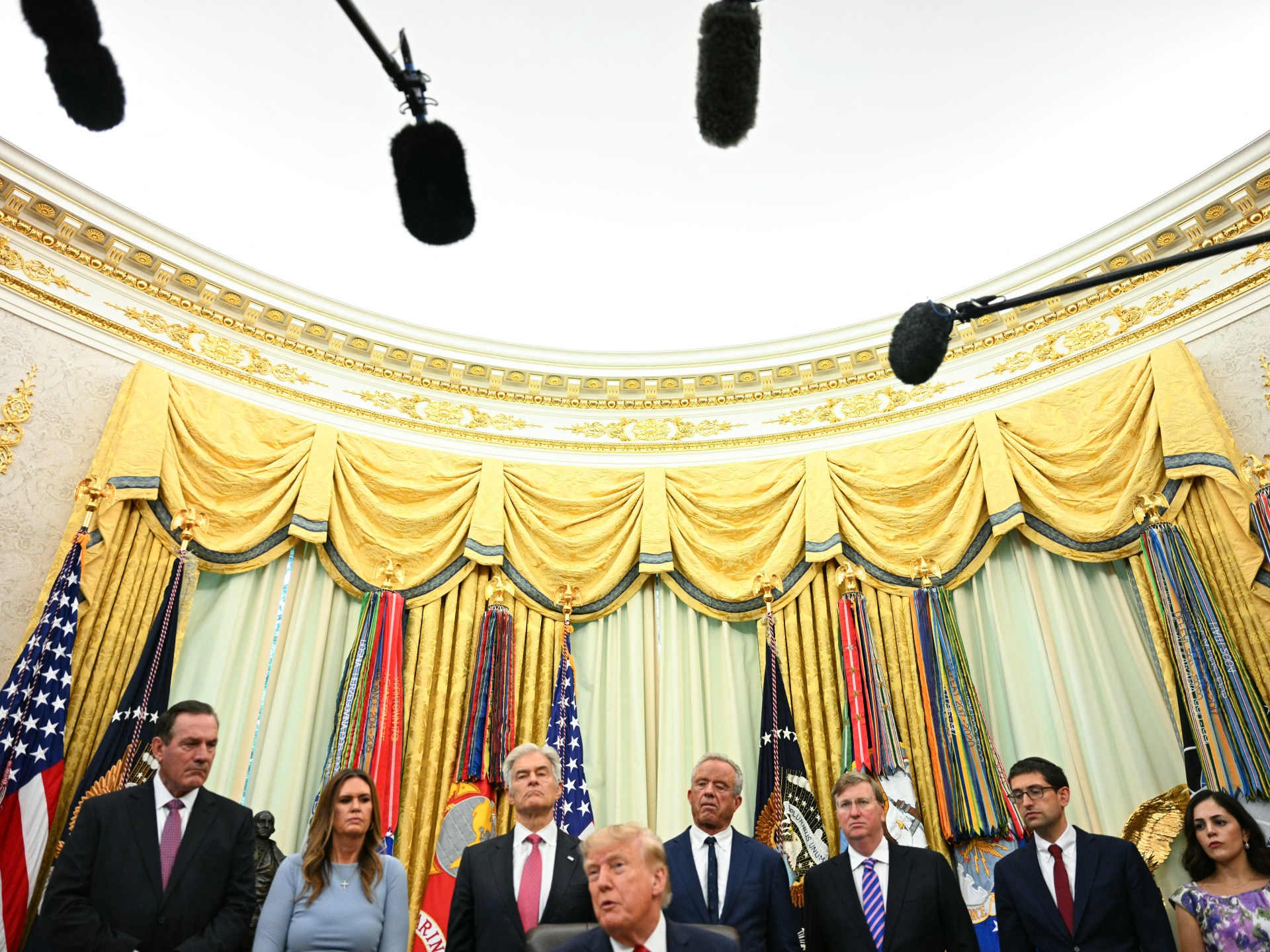
President Donald Trump signed a sweeping sanctions package Friday aimed at cutting Russia’s war funding by targeting its leaders, financial system, energy exports and major customers for oil and gas.
The law, formally titled the Lindsey O Graham Sanctioning Russia and Iran Act of 2026, gives Trump broad authority to impose tariffs of up to 100% on the five largest purchasers of Russian oil and gas. The measure is expected to fall most heavily on China and India, the two biggest importers of Russian crude.
The legislation also sanctions Russian President Vladimir Putin, senior Russian government figures and oligarchs, along with Russian banks and other financial institutions. It targets Moscow’s energy and defence sectors and Russia’s “shadow fleet” of tankers used to move oil around existing Western sanctions.
At Trump’s request, the bill also extends sanctions to Iran’s energy and weapons sectors.
The measure cleared Congress with rare bipartisan support, passing the Senate last month and the House on Wednesday. Al Jazeera reported that 58 Democrats crossed party lines to back the bill in the House. It is the first major Ukraine-related bill to clear Congress in more than two years.
Supporters say the law is designed to weaken the Kremlin’s ability to fund the war in Ukraine and push Moscow toward negotiations. House Speaker Mike Johnson said the measure placed “maximum pressure” on what he called “the Russian war machine”. Democratic Senator Richard Blumenthal, who co-wrote the bill, said he hoped it would help bring Moscow to the table, telling Putin: “We have your number.”
Blumenthal previously described the legislation as “scorching sanctions” that would “throttle Putin’s war machine”.
Ukrainian President Volodymyr Zelenskyy, who lobbied lawmakers ahead of the vote, praised the bill as “an extremely powerful tool”. In a Telegram post on Sept. 17, he said: “It is symbolic that the US House of Representatives’ passage of Lindsey Graham’s sanctions bill took place on the night of yet another Russian attack on Ukraine involving ballistic missiles, other missiles, and drones.”
Not all Democrats supported the measure. House Minority Leader Hakeem Jeffries opposed it, warning that its tariff powers would raise costs for American families and saying its sanctions provisions contained “loopholes”.
The 48-page bill includes exceptions for countries that import less than 15% of their natural gas from Russia and are working to reduce their dependency.
Data from the Centre for Research on Energy and Clean Air showed China accounted for 50% of Russian crude exports between December 2022 and August 2026, followed by India at 37%. Turkey and the European Union each accounted for 5% during the same period, though Russian energy exports to the EU have been decreasing.
India, one of the countries most exposed to the new tariff threat, said this week that it “remains firmly committed to ensuring energy security for its 1.4 billion people”. Trump’s signing came about a week before he is due to host Chinese President Xi Jinping at the White House.
The bill is named for the late Republican Senator Lindsey Graham, one of Ukraine’s strongest defenders in Washington, who spent more than a year negotiating it with Blumenthal before his death on July 11. Graham, 71, died of an “aortic dissection” caused by cardiovascular disease shortly after returning from a trip to Kyiv.
“He died doing the work he was born to do,” Trump said at the time.










Be First to Comment