Key takeaways:
- Investors expect the Fed to raise its benchmark rate by 0.25 percentage points to a range of 3.75% to 4%.
- Annual inflation was 3.4% in August, with gasoline accounting for more than a third of the monthly price increase.
- A rate hike would likely raise credit card APRs while improving returns on high-yield savings accounts and CDs.
The Federal Reserve is widely expected to raise interest rates Wednesday for the first time in more than three years, a move that would make borrowing more expensive as policymakers confront stubborn inflation driven in part by higher energy prices.
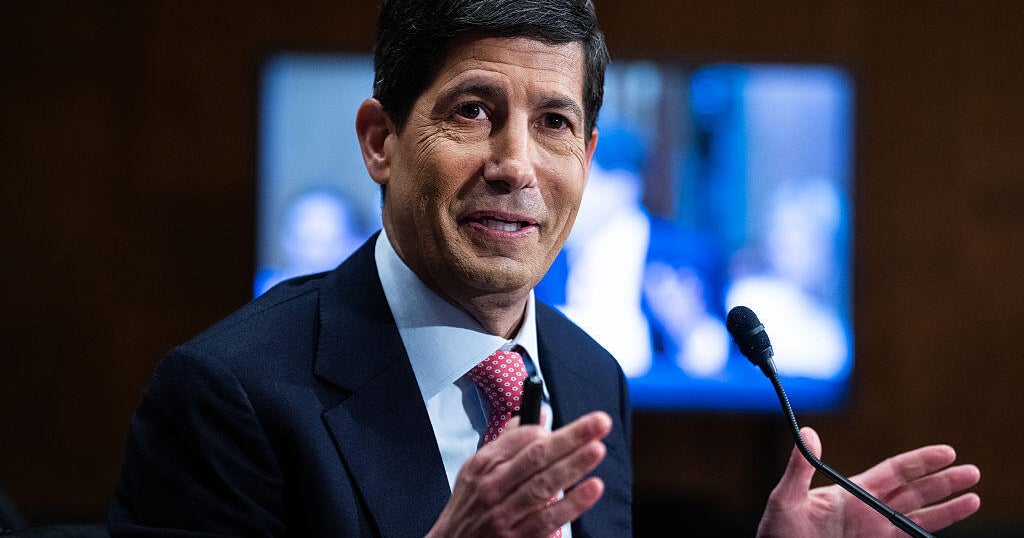
Investors are betting the central bank will lift its benchmark rate by a quarter percentage point, to a target range of 3.75% to 4%. CME FedWatch puts the probability of that move at roughly 90%, CBS News reported. The decision is due at 2 p.m. ET, followed by a 2:30 p.m. news conference with Fed Chairman Kevin Warsh.
Inflation remains above the Fed’s 2% annual target. The Consumer Price Index rose at a 3.4% annual pace in August, and prices climbed 0.4% from July to August, with gasoline accounting for more than a third of the monthly increase, according to NPR. Since April, prices have been rising faster than average wages, reducing the purchasing power of the typical paycheck.
The war with Iran has helped push oil and gasoline prices higher and sent diesel fuel into record territory. AAA said diesel reached $6.27 a gallon Tuesday, while gasoline rose 18 cents over the previous week to $4.33. NPR reported that diesel topped $6 per gallon, increasing the potential cost of transporting goods by truck or train.
Higher interest rates do not automatically lower prices at the pump, but they are the Fed’s main tool for cooling demand across the economy. When rates rise, consumers and businesses tend to borrow and spend less, which can ease pressure on prices.
“The responsibility for 65 months of sustained, elevated inflation sits squarely with the central bank,” Warsh said last month in Jackson Hole, Wyoming. “We must be confident that underlying inflation is moving to our objective, clearly and at sufficient speed. Otherwise, we have work to do.”
Those remarks were widely viewed as a signal that the Fed would raise rates unless inflation slowed sharply. “It is time to put up, or shut up,” inflation forecaster Omair Sharif wrote in a research note cited by NPR. “You cannot give a speech like you did at Jackson Hole and not support a rate hike at the next meeting.”
Some economists say Wednesday’s expected move may not be the last. “If everything stays the same and energy prices remain elevated and the economy remains pretty strong, there’s good reason to expect maybe another hike or two beyond this week,” Brandon Zureick, chief economist at Johnson Investment Counsel, told CBS News. “We’re not expecting a repeat of 2022, when the Fed was really fighting inflation that was much, much higher.”
Inflation peaked at 9.1% in June 2022, a 40-year high, prompting 11 Fed rate hikes that pushed the benchmark rate from near zero to 5.25% to 5.5% by July 2023. Since then, the Fed has either cut rates or held them steady.
The Fed will also release its quarterly economic projections Wednesday, including policymakers’ forecasts for inflation, growth and future interest rates. In June, the average member of the rate-setting committee projected one quarter-point rate increase this year followed by a rate cut in 2027, NPR reported. Warsh, who became Fed chairman in May, did not offer a forecast at that meeting and has generally discouraged forward guidance.
For consumers, the most immediate impact would likely come through credit cards and other variable-rate loans. “Cardholders should expect their credit card’s APR to rise a quarter-point in the next couple of months following the Fed’s move,” Matt Schulz, chief consumer finance analyst at LendingTree, told CBS News. “Unfortunately, the higher rate will apply to current balances as well as future purchases.”
A single quarter-point increase would add only “a dollar or two” to monthly bills for many cardholders carrying balances, Schulz said, but “if you’re already struggling with card debt, any increase is unwelcome.” Savers, by contrast, could benefit from higher returns on high-yield savings accounts and certificates of deposit.
Longer-term borrowing costs have already moved higher. The yield on 10-year Treasurys topped 5% this week, NPR reported, as bondholders demanded higher returns in response to inflation and strong demand for capital. That yield helps set rates for mortgages, car loans and other forms of borrowing.





Be First to Comment