Key takeaways:
- The WMO said forecasts show a nearly 100 percent likelihood that El Niño will continue through February and could persist into early 2027.
- Sea surface temperatures in a key Pacific monitoring region have been more than 2C above average, with forecasts suggesting monthly anomalies could approach 4C.
- Drier conditions are forecast for parts of Southeast Asia, Central America and northern South America, while wetter conditions are expected in parts of eastern Africa, southern Brazil and the southern United States.
El Niño is strengthening into what could become one of the most powerful events ever recorded, prompting United Nations officials to warn that countries face a heightened risk of drought, floods, extreme heat and economic disruption well into 2027.
The World Meteorological Organization said forecasts show a nearly 100 percent likelihood that El Niño will continue through February, the strongest level of certainty it has ever expressed in an El Niño/La Niña update. The UN weather agency said the phenomenon could persist into early 2027 and may become the strongest in more than 70 years.
“El Niño is being supersized before our eyes,” UN Secretary-General António Guterres said. “The science leaves no room for doubt: the planet is in uncharted waters, and those waters are heating up. Sea surface temperatures are rising, temperatures keep climbing, and the world is in the danger zone of extreme weather.”
El Niño is a naturally occurring pattern that develops in the Pacific Ocean when changes in winds allow warm water to spread eastward, releasing heat into the atmosphere and reshaping weather across the globe. It is not caused by climate change, but forecasters say it can raise temperatures in a world already warmed by human activity and intensify weather extremes.
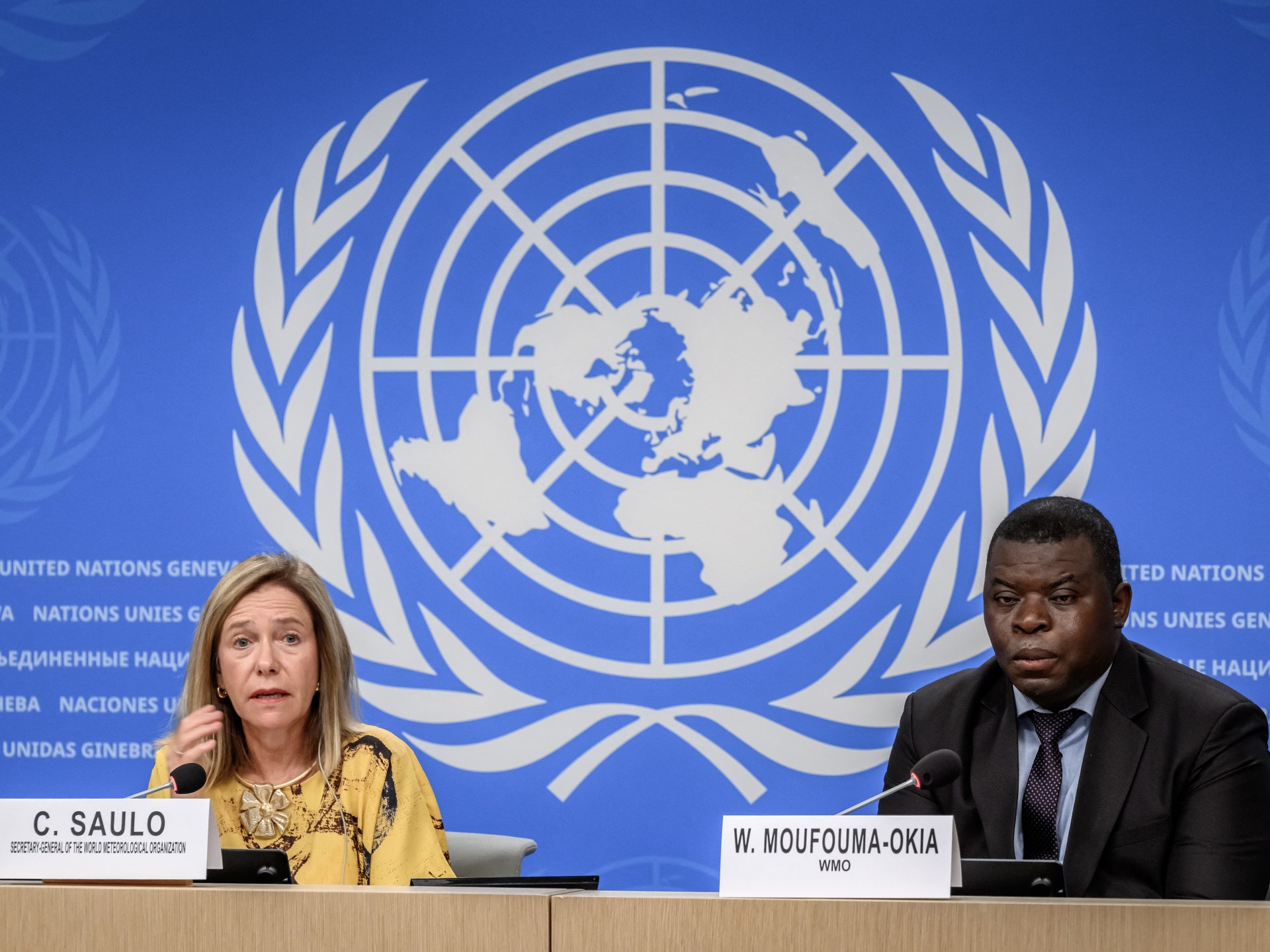
WMO Secretary-General Celeste Saulo said the event “has the potential to deliver a massive blow to communities and economies across the world.” Speaking to reporters in Geneva, she said that if the current trajectory continues, it may be “stronger than anything since our monitoring began – so literally off the charts we have used for the past four decades.”
Sea surface temperatures in the central and eastern tropical Pacific have risen sharply in recent months. In a key monitoring region, surface temperatures have been more than 2C above average in recent weeks, putting the event on track to be classified as “very strong.” Forecasts suggest monthly sea surface temperatures could approach 4C above average. Below the surface, temperatures in some areas have been more than 8C above average.
The WMO said El Niño is expected to peak toward the end of this year, but its effects on climate will continue well into 2027. Heat stored in the oceans is released more slowly into the atmosphere, pushing up global temperatures the following year. Al Jazeera reported that Saulo said the powerful 2023-24 El Niño contributed to 2024 being the warmest year on record, adding, “we should not be surprised if this record is broken.”
The agency said it has launched a “major mobilisation” to distribute forecasts tied to El Niño to as many communities as possible. Saulo urged disaster managers and sectors including agriculture, healthcare, energy and water to prepare, saying there was “no time to lose.”
The WMO expects significant shifts in rainfall in the coming months. Drier-than-usual conditions are forecast across large areas of Southeast Asia, Central America and northern South America, increasing the risk of drought and wildfire. The Panama Canal will reduce the number of vessels passing through by more than 10% in anticipation of lower rainfall. About 14,000 ships use the canal each year, and it brings Panama about $3 billion annually.
Indonesia is trying to contain wildfires that have burned more than 107,000 hectares this dry season. Darwin Romy, a resident of Central Kalimantan, told BBC News Indonesia that wildfires had persisted “for more than a month.” He said: “The smoke has become quite thick. When we step outside, our eyes start to sting. The smell of the smoke is also quite strong.” Authorities have deployed cloud-seeding aircraft and arrested dozens over allegations of using fire to clear land.
Other regions face heavier rain. Wetter-than-average weather is expected in parts of eastern Africa, southern Brazil and the southern United States, raising flood risks. China is expecting seven typhoons to make landfall this year, which the BBC reported the country’s experts have linked to a super El Niño. Peru, Ecuador and parts of Brazil are also vulnerable to flash flooding and landslides.
Miguel Aréstegui of Practical Action said concern should lead to preparation, not alarm. El Niño “does not arrive in a vacuum,” he said, citing exposed housing, fragile water and sanitation systems and weak healthcare as structural risks that can worsen the damage.














Be First to Comment