Key takeaways:
- Researchers identified the Taraia Object as likely tree debris, not wreckage from Earhart’s plane.
- Severe weather kept the 17-member expedition aboard its ship for three of five allotted search days.
- Earhart and navigator Fred Noonan disappeared on July 2, 1937, while trying to reach Howland Island.
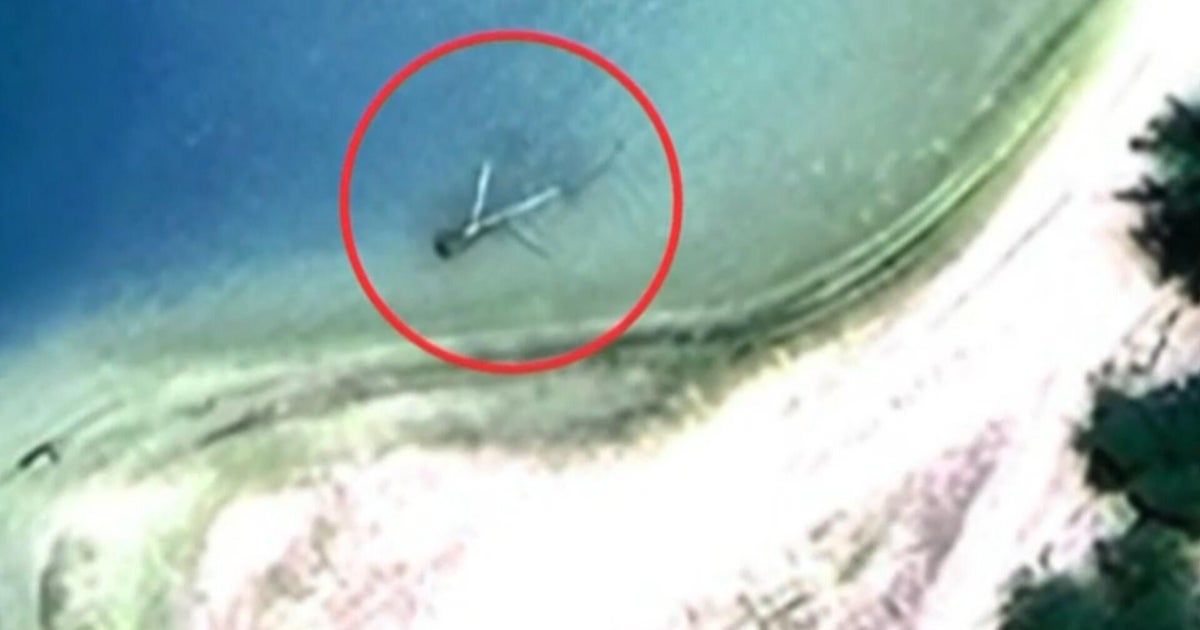
A mysterious shape in the waters off a remote Pacific island is not Amelia Earhart’s missing plane, researchers say. An expedition to Nikumaroro found that the object, once described by the team as “very strong” evidence of the aircraft’s whereabouts, was likely a collection of large trees.
The 17-member team examined the Taraia Object near the island’s Taraia Peninsula after it drew attention in satellite imagery in 2020. Researchers said the apparent wreckage had largely broken apart and washed away before they arrived, leaving one Y-shaped segment.
“Evidence gathered at the Taraia Peninsula on Nikumaroro confirmed that the visual anomaly first seen in satellite imagery in 2020 was likely a collection of large trees deposited along the peninsula’s sandspit,” the researchers said.
The finding is another setback in the search for Earhart’s twin-engine Lockheed Electra 10-E. Earhart and her navigator, Fred Noonan, disappeared on July 2, 1937, while trying to reach Howland Island to refuel during an attempted flight around the world. Nikumaroro, part of Kiribati, lies about 400 miles southeast of Howland.
Purdue University’s Steve Schultz and Archaeological Legacy Institute director Richard Pettigrew led the expedition, which launched Oct. 14. The team spent five days at sea reaching the island, according to CBS News. Severe weather then kept researchers aboard their ship for three of the five days allotted for the search. CBS reported that limited fuel and supplies prevented them from extending the trip.
During the weather delay, expedition technology specialist Sirisha Bandla said in a video update from the research vessel that the team could finally go ashore. “We’re working to get everything done today if we can,” she said. “The crew’s really excited.” The BBC reported at the time that the team had extended its expedition time to complete fieldwork; CBS later reported that it could not extend the search.
The object was visible in aerial photographs dating to 1938 but was not identified as a possible lead until a Navy veteran noticed it during the COVID pandemic. Before the expedition, Pettigrew said the team thought it might be metal rather than a tree. Other explorers were skeptical, the BBC reported.
Pettigrew believes Earhart and Noonan reached Nikumaroro and survived there for a time. He has pointed to 1930s relics and human remains found on the island that were later lost as possible evidence, according to CBS. The theory remains unproven, and other explanations for the pair’s disappearance have also been proposed.
Earlier searches have produced similar false leads. A sonar image taken near Howland Island in 2024 appeared to show an aircraft about 16,000 feet below the surface, but the object was later identified as a rock formation. The BBC reported that a 2019 expedition investigating a possible piece of landing gear near Nikumaroro also found nothing.









Be First to Comment