Key takeaways:
- At least 1,114 people have died in Nepal and nearly 4,000 are missing, while Tibet has reported 16 deaths and more than 500 people unaccounted for.
- The UN Development Programme said the flood left at least 2.2 million tonnes of debris, according to a preliminary estimate.
- Nepal’s government and the UN have agreed to launch a four-month humanitarian flash appeal as displaced survivors face shelter, water, health and psychosocial needs.
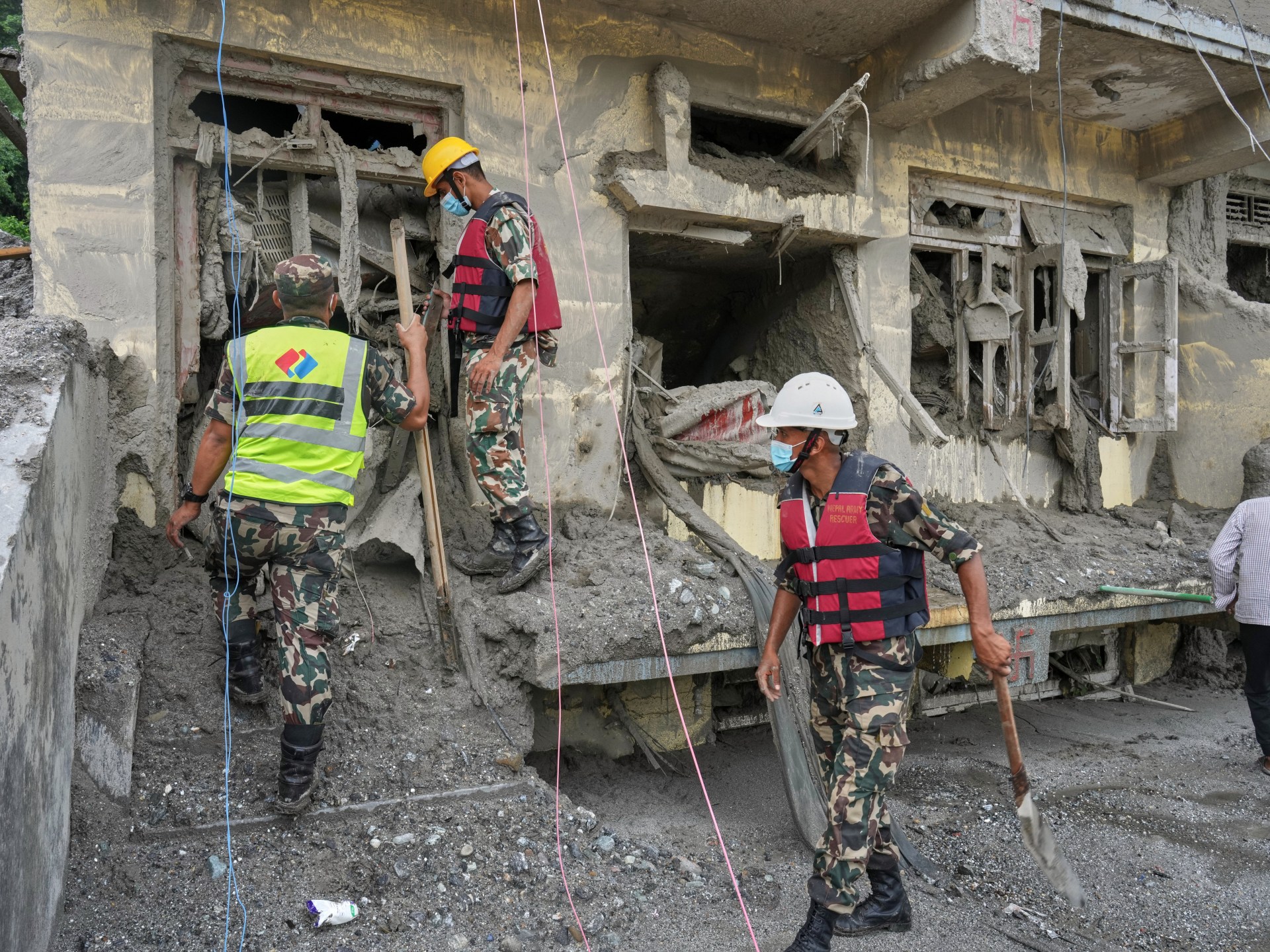
Thousands of people remain missing along the Nepal-Tibet border a week after a catastrophic flash flood tore through a Himalayan valley, killing more than 1,100 people in Nepal and leaving rescuers racing to reach survivors while preparing for a widening recovery effort.
At least 1,114 people have died in Nepal and nearly 4,000 are missing, Nepal’s disaster agency said. In Tibet, Chinese authorities have reported 16 deaths and 546 people missing, according to Al Jazeera; the BBC reported more than 500 people are unaccounted for there. Nearly 12,000 people have been rescued in Nepal, according to the country’s disaster management agency.
The flood struck on Aug. 26, when a torrent of water, mud and rocks swept through communities in Nepal and China’s autonomous Tibet region after what is believed to have been a glacial collapse. Villages were wiped out, roads and bridges were destroyed, and debris buried large sections of the valley. The United Nations Development Programme said the disaster left at least 2.2 million tonnes of debris, based on a preliminary estimate.
The UN’s humanitarian agency said the response is entering a new phase, with authorities intensifying relief and recovery operations. Access is now one of the main obstacles. More than 40 bridges have been destroyed, remote communities are relying on army helicopters for supplies, and villages are still struggling with fuel and electricity shortages.
In Nepal, rescue efforts are focused in part on hydropower sites, where workers are believed to be trapped in tunnels. Al Jazeera reported that about 600 workers may be involved, while Prime Minister Balendra Shah’s office told the network that more than 270 workers had been rescued from tunnel sites, though not from inside the tunnels.
“The Nepali army is drilling, digging and trying to reach those people,” Al Jazeera’s Barnaby Lo reported from Kathmandu. He said Chinese and Indian experts had already been assisting for several days and that a team of foreign experts from South Korea was expected to join them.
Experts from China and India are helping build temporary bridges to reach remote areas, and drones are being used to scan hard-to-reach terrain for survivors. Chinese state media said rescuers using heavy machinery had reopened the route to the Gyirong border crossing between Nepal and Tibet and cleared debris from the road, a step expected to speed the search.
The scale of destruction in Tibet remains unclear. China has released images and reports through state media showing devastation near the border, but has provided few details about victims or local villagers. Foreign journalists cannot travel to Tibet without permission.
In Nepal, nearly 3,500 people have been displaced across 27 sites, mostly schools, in Nuwakot and Rasuwa districts. The UN’s humanitarian agency said their priorities include receiving aid, recovering and identifying the remains of loved ones, tracing missing relatives, reunifying separated children and accessing psychosocial support. Overcrowded shelters, contaminated water and damaged health facilities are increasing disease risks during the monsoon season, the agency said.
Forensic experts from China and Singapore are expected to help manage and identify the dead. “Families here have held funerals saying they need to do it even if they don’t have the bodies of their missing relatives to free their spirits,” Lo said.
Shah said authorities are placing renewed emphasis on protecting survivors, providing medical treatment and offering psychological counselling. Nepal’s government and the UN have agreed to launch a four-month humanitarian flash appeal.
Foreign Minister Shishir Khanal told The Kathmandu Post that Nepal has sent a formal climate compensation claim letter to international partners. “Nepal’s greenhouse gas emissions are virtually negligible. Yet, we are paying the ultimate price for a global crisis we did not create,” he said.








Be First to Comment