Key takeaways:
- Shapiro’s order requires local approval for data center projects and legally binding commitments on power costs, local hiring, transparency and water conservation.
- Pennsylvania will remove data centers from its fast-track permitting program and bar nondisclosure agreements for data center projects.
- Shapiro said about five projects have received permits, while roughly 100 speculative proposals are disrupting communities and are unlikely to be built.
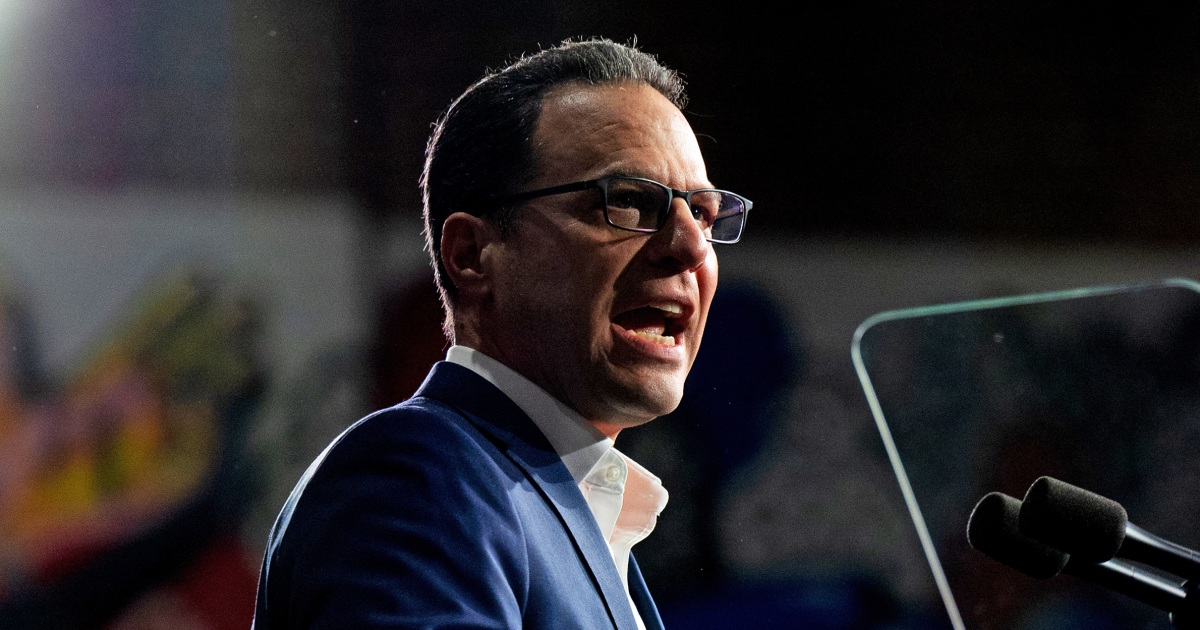
Pennsylvania Gov. Josh Shapiro signed an executive order Tuesday imposing new limits on data center projects, saying developers must no longer be allowed to “run roughshod” over communities as proposals tied to the artificial intelligence boom spread across the state.
The order marks a shift for Shapiro, a Democrat viewed as a potential 2028 presidential candidate, after he previously worked to attract major data center investments to Pennsylvania, including a $20 billion Amazon-backed plan for two data centers announced last year. Shapiro said Wednesday on “CBS Mornings” that his view changed after hearing from residents in communities facing proposed projects.
“I listened candidly,” Shapiro said. “I showed up in communities and heard the concerns of neighbors.” He cited a proposed site near Eddie Staback Park in Lackawanna County, where he said a developer wanted to build near where parents would sit to watch a ballgame, and another proposed project in densely populated Montgomery County, near his home.
“These are not the kind of projects I want in Pennsylvania,” he said.
The executive order requires data center projects to receive approval from local officials before moving forward. Developers must also sign legally binding agreements committing to guidelines Shapiro laid out in February, including paying for their own power, hiring locally, being transparent with local governments and meeting high water-conservation standards. Shapiro also removed data centers from Pennsylvania’s fast-track permitting program and said future projects will be ineligible for that process. Nondisclosure agreements for data center projects will not be allowed under the order.
“We will not be bullied by these developers,” Shapiro said Tuesday. “We will not be bulldozed by the lawyers working for these big tech companies.” He added: “We have a long history in Pennsylvania of industry running roughshod over our communities to make a buck — that stops with me.”
Data centers house networked computer servers, storage drives and related equipment that process digital traffic and software. Demand for that infrastructure has grown sharply with the expansion of AI.
Shapiro said that since the state announced the Amazon-backed projects last year, Pennsylvania has seen “an unacceptable number of speculative proposals” led by developers with “no regard for local communities.” He said only about five projects have received permits to move forward, while “100 projects or so” are “wreaking havoc on our communities” and are unlikely to be built.
“I don’t want developers running roughshod across our communities,” Shapiro said Wednesday. “That’s not what happened a year ago when I did work with Amazon to bring those two data centers here in Pennsylvania. But increasingly, developers see an opportunity to take advantage of Pennsylvanians. I won’t let it.”
Shapiro said the lack of legislative progress on new rules for data center development, in a state Legislature under split control, left him no choice but to act by executive order. He called one Montgomery County proposal a case of a developer trying to “bully his way” through local opposition.
“I’m a hell no on that project,” he said. “I’m a hell no on many other projects.”
Public skepticism has grown around data centers, with concerns including possible increases in power bills, environmental effects and the growth of AI technology. CBS News/YouGov polling found Americans are far more likely to oppose new data centers in their area than support them, though most say they know little or nothing about them.
The industry has pointed to potential job growth, increased local tax revenue and possible property tax cuts. Dan Diorio, executive vice president of state policy and government affairs for the Data Center Coalition, told NBC News that “part of the challenge here is how quickly the industry has moved.” He added that opposition has moved quickly as well, saying the industry must “bring the facts and the data to bear” and show how it invests in communities over the long term.









Be First to Comment