Key takeaways:
- Congo’s Ministry of Health recorded 5,021 Ebola cases and 2,378 deaths as of Sunday.
- The outbreak has spread about three times faster than the 2014-2016 West Africa Ebola outbreak from the first detected case.
- Residents in Aru territory attacked a health team Monday, burning an ambulance and damaging two other vehicles after a suspected case was reported.
Congo’s Ebola outbreak has surpassed 5,000 cases, a grim milestone in an epidemic that health officials say is spreading faster than response teams can contain it in one of the country’s most remote and volatile regions.
Data from Congo’s Ministry of Health showed 5,021 cases and 2,378 deaths as of Sunday. The figures, released Wednesday, came about three months after the outbreak was declared on May 15 and just one week after authorities had recorded 4,381 confirmed cases and 2,011 deaths.
Responders say the outbreak is moving at an unprecedented pace, fueled by insecurity, displacement and intense population movements. It has infected and killed more people at a faster rate than any previous Ebola outbreak, according to the reports.
Starting from the first detected case, the current outbreak has spread about three times faster than the 2014-2016 Ebola outbreak in West Africa, which remains the deadliest on record with more than 11,000 deaths.
The outbreak “has spread rapidly and the risk of further national and international spread remains high,” World Health Organization Director-General Tedros Adhanom Ghebreyesus said Tuesday at a meeting convened by the agency.
“We must be frank: The epidemic is far from being under control,” he said.
The outbreak is caused by the Bundibugyo species of Ebola, which has no approved vaccines or treatments, CBS News reported. It is Congo’s 17th Ebola epidemic, CBS News reported, citing Reuters.
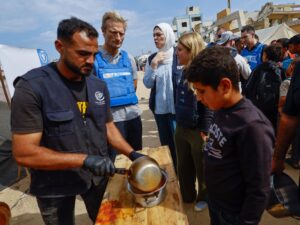
Health workers are trying to respond under severe constraints. Safety concerns have limited operations, especially in Ituri, the province hardest hit by the outbreak. Medical teams have been targeted as they work to trace suspected cases and treat patients.
On Monday, residents attacked a health team in Aru territory after a suspected case was reported there. A mob set fire to an ambulance and damaged two other vehicles, according to Michael Wani, president of the Union of Cultural Associations for the Development of Ituri.
The violence adds another obstacle to efforts already strained by the geography and instability of the affected areas. Public health teams are attempting to slow transmission while navigating insecurity and the movement of displaced people, conditions that officials say have helped the virus spread rapidly.
The latest totals underscore the scale of the challenge facing Congo and international health responders. With more than 2,300 deaths recorded and the risk of wider spread still considered high by the WHO, authorities say the epidemic remains far from controlled.







Be First to Comment