Key takeaways:
- RAF Typhoons will fly defensive missions over Saudi Arabia and will not conduct offensive strikes against the Houthis.
- Houthi-claimed strikes on Riyadh’s King Khalid International Airport on October 10 and 11 killed 14 people and injured more than 300, according to the BBC.
- Britain is extending air-to-air refuelling support by 90 days and deploying military advisers and an RAF A400M transport aircraft.
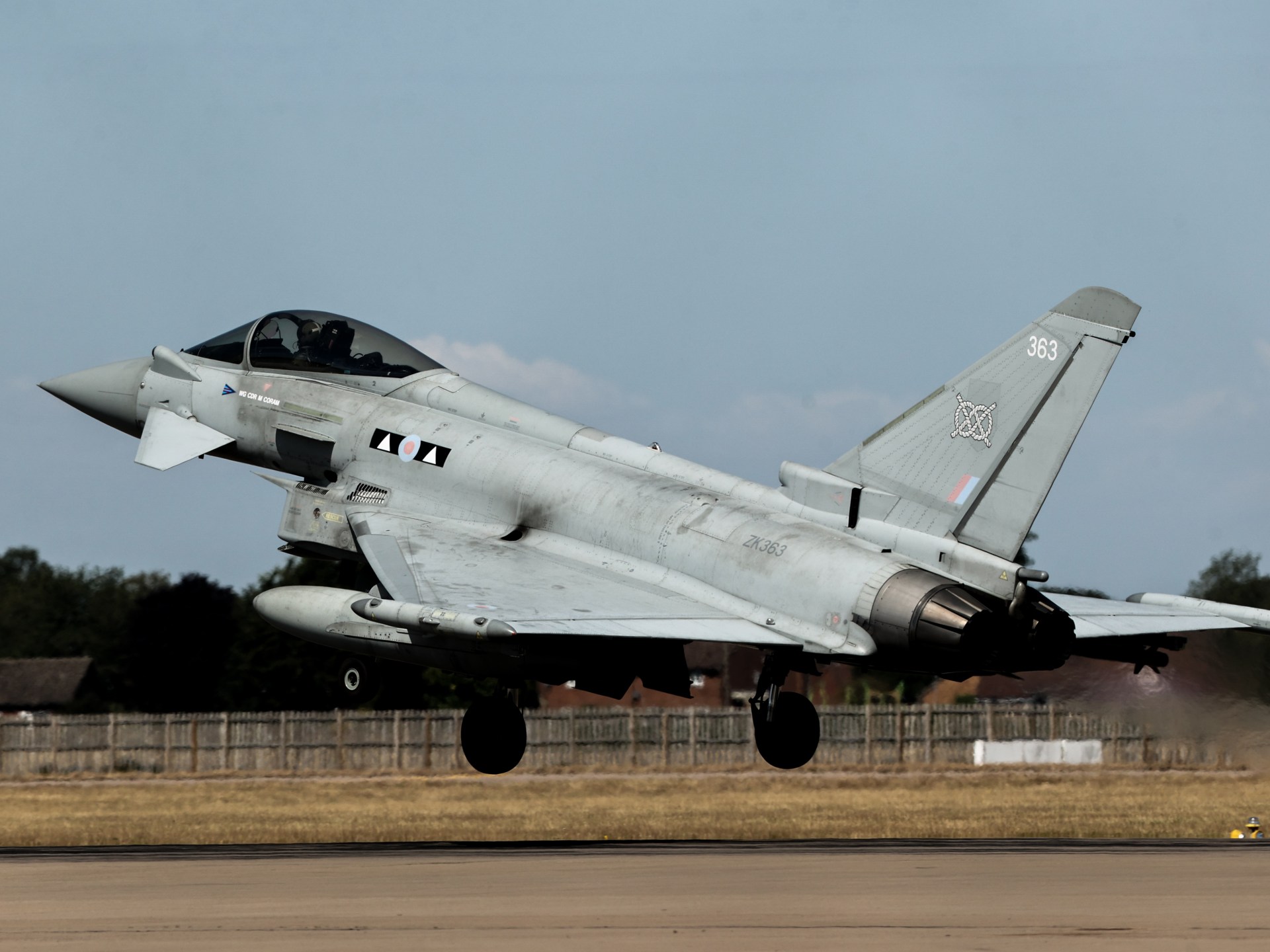
Britain will deploy RAF Typhoon fighter jets to help defend Saudi Arabian cities and infrastructure from Houthi missiles and drones, as attacks on the kingdom intensify, the government said Tuesday. The jets will not strike targets in Yemen.
“The UK will fly defensive counter air missions to support the protection of Saudi cities and critical national infrastructure against aerial attack,” the Ministry of Defence said. Defence Secretary Wes Streeting said the aircraft would operate in a “defensive role” and would not conduct offensive strikes against the Houthis.
The decision follows attacks on Riyadh and energy sites on Saudi Arabia’s coast. The Houthis said they carried out two strikes on King Khalid International Airport in the capital on October 10 and 11. Those attacks killed 14 people and injured more than 300, according to the BBC.
“The targeting of the airport in Riyadh in particular shows the lengths the Houthis are going to escalate the situation in the region,” Streeting said. “That’s why today I have approved further UK military support.” He said the Typhoons would help protect Saudi airspace from drones and missiles.
Prime Minister Andy Burnham authorised the deployment, the BBC reported. Britain will also send military advisers and an RAF A400M transport aircraft to help move defence equipment within Saudi Arabia, according to the BBC.
The UK already supplies equipment to help Saudi Arabia defend against aerial attacks and provides air-to-air refuelling for defensive Saudi operations. That refuelling support has been extended by 90 days, the BBC reported. Streeting said the new deployment builds on British equipment and personnel already in the country.
The Houthis are fighting Yemen’s internationally recognised government, which is backed by Saudi Arabia. In recent weeks, the group has launched missile and drone attacks on the kingdom, while the Saudi-led coalition supporting Yemen’s government has attacked Houthi positions, Al Jazeera reported. The Houthis have said they are retaliating for strikes on territory they control in western Yemen, including the capital, Sanaa, according to the BBC. Earlier this month, Houthi military spokesman Brig Gen Yahya Saree vowed to continue “escalating operations deep inside Saudi Arabia,” the BBC reported.
Streeting also pointed to violence in the Gulf disrupting energy supplies and raising costs for families and businesses. Al Jazeera reported that concern over rising energy prices was part of the UK government’s decision.
The British announcement came as Egypt considered a separate request for possible military support for Saudi Arabia. Egypt’s parliament delayed for a second day a vote on President Abdel Fattah el-Sisi’s request to authorise support if the kingdom asked for it, Al Jazeera reported. State media said the next session would be held on October 26.






Be First to Comment