Key takeaways:
- Trump said he paused the 50% tariffs on Canadian goods for three days because the U.S. and Canada have a deal pending finalization of documents.
- The threatened tariffs would have affected about $20 billion in U.S. imports from Canada, including hockey sticks, building materials, liquors and some clothing.
- Auto tariffs, steel and aluminum duties, and the treatment of North American vehicle content were among the issues discussed in the negotiations, according to Reuters, Bloomberg and CBC News.
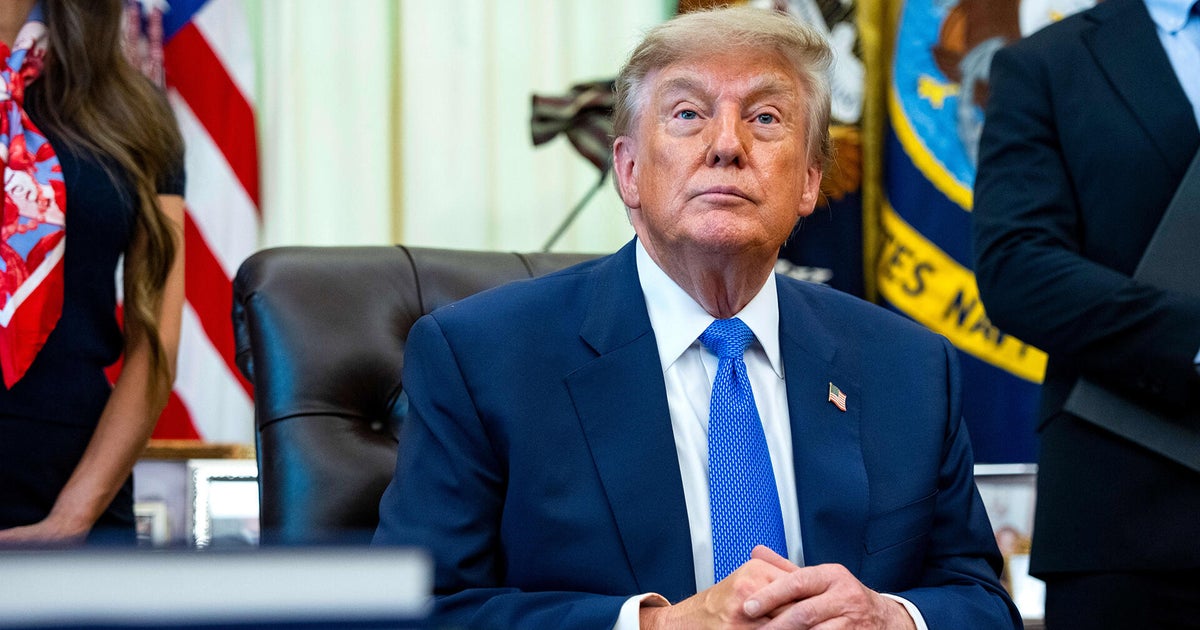
President Donald Trump late Tuesday paused sweeping 50% tariffs on a range of Canadian goods hours before they were set to take effect, saying the United States and Canada had reached a deal that still requires final documents.
“I have paused the 50% Tariffs against Canada, that were scheduled to kick in tomorrow morning for a three day period, based on the fact that Canada and the U.S.A., subject to the finalization of documents, have a DEAL!” Trump wrote on Truth Social.
Trump gave no details of the agreement beyond a reference to the Keystone XL pipeline, which he said “may be awoken from the grave!” Canadian Prime Minister Mark Carney’s office did not immediately respond to NBC News’ request for comment on the deal.
The threatened duties would have applied to about $20 billion in U.S. imports from Canada, according to the U.S. Trade Representative’s office. The products at risk included hockey sticks, some building materials, liquors and certain kinds of clothing. Al Jazeera reported that the tariffs would have applied even to Canadian goods that otherwise qualify for preferential treatment under the United States-Mexico-Canada Agreement, which has shielded much of Canadian industry from earlier U.S. tariffs.
The pause followed more than a week of intense meetings and technical talks. Carney and Trump spoke Monday afternoon and again late Tuesday, Carney’s office told NBC News. On Monday, Carney told reporters the two countries were still negotiating.
“The negotiations are very intense and delicate. This is not the time to talk about negotiations in public,” Carney said, speaking in French, according to CBS News.
Canadian officials met Monday for nearly two hours with U.S. Trade Representative Jamieson Greer and Commerce Secretary Howard Lutnick, Al Jazeera reported. Carney’s office said the prime minister and Trump also spoke Tuesday afternoon “about the ongoing negotiations,” without elaborating.
Carney previously called the threatened duties a “direct violation” of the U.S.-Canada-Mexico Agreement, the trade pact Trump pursued and signed during his first term. The U.S. Chamber of Commerce warned Tuesday that failure to reach a deal and the imposition of higher tariffs would “damage both economies, drive up costs for U.S. families, further disrupt critical supply chains, and risk the 13 million American jobs that depend on” the North American trade pact.
The tariffs would have marked the first use of Section 338 of the Tariff Act of 1930, a law that allows the White House to impose duties of up to 50% on a foreign trading partner that “discriminates” against U.S. commerce.
Greer said last week the threatened 50% duties were tied to Canadian actions taken in response to earlier U.S. tariffs. “The policy basis for [Wednesday’s] duties are related to measures that Canada took against the United States,” he said. “I’ve got two countries in the world that have retaliated against the United States for trade measures: the People’s Republic of China and Canada. That’s not the kind of company you really want to be running in.”
Several major issues remained under discussion before Trump’s announcement. Canadian officials were seeking to have the Section 338 tariffs scrapped and to secure lower Section 232 tariffs on industrial products such as steel and aluminum, CBC News and Bloomberg reported, according to NBC News. Bloomberg and Reuters also reported that auto duties were a sticking point, with U.S. officials resisting any cut in current 25% tariffs below 15%.
Reuters, cited by Al Jazeera, reported that the two sides had discussed cutting U.S. Section 232 tariffs on Canadian vehicles to 15% from 25%, with further reductions based on U.S. content in each vehicle. The countries remained divided over how to count that content: Washington wanted only U.S.-produced content included, while Canada wanted all North American content, including Canadian and Mexican parts, counted.
Trade experts and industry officials warned before the pause that the new tariffs could lead to job losses and business closures in vulnerable sectors, including lumber, wine and dairy, Al Jazeera reported. “There are billions in goods per year that were not impacted before, but now are at risk of being impacted significantly,” said Candace Laing, CEO of the Canadian Chamber of Commerce. “Businesses have been doing a high-wire act for well over a year, holding off on hiring, investment and growing in Canada.”













Be First to Comment