Key takeaways:
- The Senate approved the Lindsey O. Graham Sanctioning Russia and Iran Act of 2026 by a vote of 86-11.
- The bill would allow tariffs of up to 100% on the top five purchasers of Russian oil or natural gas and impose sanctions on Russian leaders, oligarchs, banks and financial institutions.
- The legislation extends sanctions authority over Iran’s energy and weapons sectors and now goes to the House, where some Democrats oppose its tariff provisions.
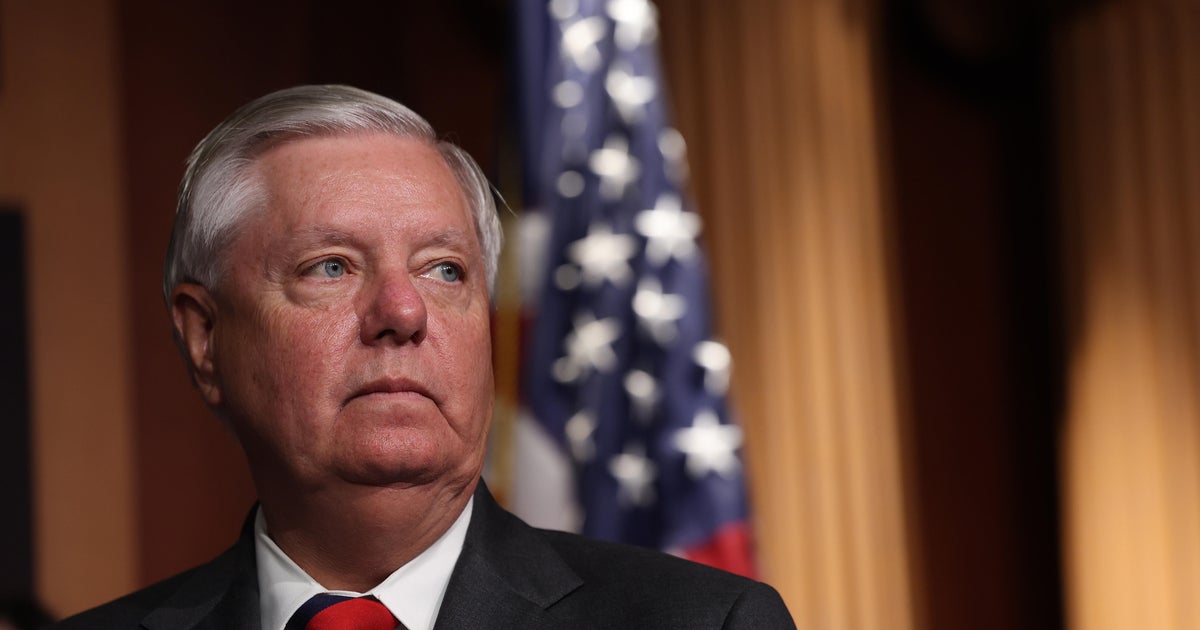
The Senate voted overwhelmingly Friday to approve long-stalled sanctions legislation aimed at squeezing Russia’s war financing, advancing a bill championed by the late Sen. Lindsey Graham and renamed in his honor after his sudden death last month.
The vote was 86-11, sending the measure to the Republican-controlled House, where its future is uncertain and consideration will be delayed while lawmakers are away on an August recess.
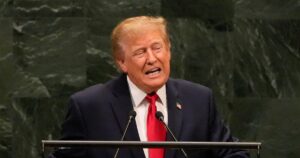
The 61-page bill, titled the Lindsey O. Graham Sanctioning Russia and Iran Act of 2026, is designed to punish major buyers of Russian oil and natural gas and impose new penalties on Russian leaders, family members, oligarchs, banks and financial institutions. It would allow President Donald Trump to impose tariffs of up to 100% on the top five purchasers of Russian oil or natural gas, with exceptions for countries that import less than 15% of their natural gas from Russia and are taking “significant” steps to reduce those imports, CBS News reported.
The Guardian reported that the measure also would impose sanctions and visa bans on Russian President Vladimir Putin and top military commanders and put tariffs of up to 500% on Russian exports.
The bill also extends sanctions authority aimed at limiting funding for Iran’s energy and weapons sectors, a provision added after a last-minute demand from Trump.
Senate Majority Leader John Thune, R-S.D., said the legislation would help defend Ukraine by cutting off money Moscow uses to sustain the war.
“Ukraine is now the largest conflict, literally, since World War II in Europe,” Thune said in a recent floor speech. “And the Ukrainian people have been resilient, worked really, really hard to try and bring this war to an end. But as long as Putin has Russian oil and gas money, he’s able to continue this war. And what this sanctions bill would do would basically cut that off.”
Graham, a South Carolina Republican and longtime advocate for Ukraine, had pushed the measure for months before his unexpected death at 71. CBS News reported that he died shortly after returning from a trip to Kyiv and announcing that a deal had been reached with the White House on an updated version of the legislation.
His sister and appointed successor, Sen. Darline Graham, R-S.C., helped announce the Senate agreement Tuesday with Sens. Richard Blumenthal, D-Conn.; Katie Britt, R-Ala.; Jeanne Shaheen, D-N.H.; Roger Wicker, R-Miss.; and Jim Risch, R-Idaho. The senators said there was “no greater way to honor” Graham’s legacy.
“We are proud to announce an agreement on legislation to stop purchasers of Russian oil and gas from fueling Putin’s war machine and to continue restricting the Iranian regime’s ability to support terrorism and build its nuclear program,” they said in a joint statement.
Speaking before the vote, Darline Graham said her brother “was a foreign policy and national security expert” and “a peace maker who was determined to bring an end to the conflict in Ukraine.” She added, “The war against Ukraine is primarily funded by the revenue Russia rakes in from energy sales. Without these profits the ability to fund the war would be crippled. This legislation hits Putin where it hurts.”
The bill’s opponents include Sen. Rand Paul, R-Ky., and some Democrats who argue it gives Trump too much tariff power. Paul secured a vote on an amendment to strip the tariff authority from the bill, but it failed. Sen. Raphael Warnock, D-Ga., dropped his opposition after securing a commitment from U.S. Trade Representative Jamieson Greer, saying a letter from Greer closed a loophole that would expand presidential tariff authority.
“This is not so much a sanctions bill as it is a massive backdoor authority for President Trump to impose more tariffs,” Rep. Gregory Meeks of New York, the top Democrat on the House Foreign Affairs Committee, said last month. House Speaker Mike Johnson, R-La., said before the House left Washington that he was “heartened to hear” a deal had been reached with the White House and that Republicans were “happy to receive and process that.”








Be First to Comment