Key takeaways:
- Italy says it will keep temporary border checks on Spain until at least Aug. 15 despite Spain’s demand that the controls end by Sunday, Aug. 9.
- Tens of thousands of migrants crossed into Ceuta from Morocco last week; the BBC reported roughly 78,000 arrivals, while Al Jazeera reported about 72,000.
- Spanish Youth Minister Sira Rego said nearly 1,400 minors remain in Ceuta, and Spain has approved 25 million euros to support unaccompanied children there.
Italy says it will keep border checks on Spain in place until at least Aug. 15, rejecting Madrid’s demand that it lift the controls after a mass crossing of migrants into the Spanish enclave of Ceuta triggered a widening diplomatic dispute inside the European Union.
Spain on Friday called Italy’s move “unjustified” and “discriminatory against the Spanish population” and gave Rome until the end of Sunday, Aug. 9, to reverse it. If Italy did not act, Spain said it would adopt “proportionate measures to protect the interests and dignity of its citizens.” The government did not specify what those measures would be.
Italy responded that it would not accept “ultimatums or impositions” from Madrid. Rome said the temporary controls were needed to prevent migrants who entered Ceuta from travelling on to Italy. Prime Minister Giorgia Meloni had earlier described the checks, which began Aug. 1, as an “extraordinary measure” to “safeguard national security and prevent possible repercussions for our nation.”
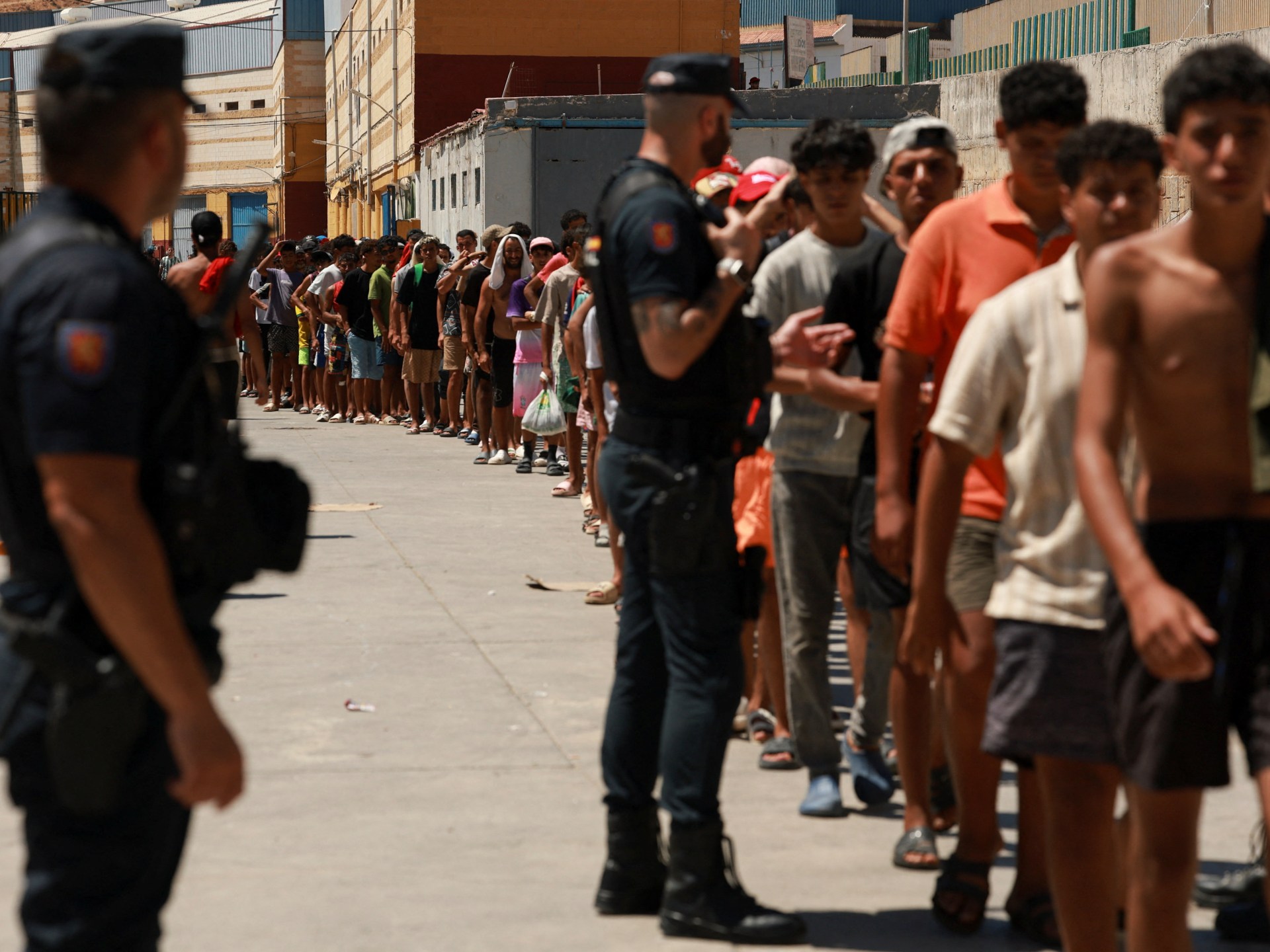
The dispute follows the sudden arrival last week of tens of thousands of migrants from Morocco into Ceuta, one of Spain’s two North African enclaves. The BBC reported that roughly 78,000 people arrived by sea over Thursday and Friday, while Al Jazeera reported about 72,000 crossed on foot and by sea. Authorities have said around 100 people died. The vast majority of those who entered have since returned to Morocco.
Italy partially suspended its Schengen arrangements with Spain, closing some maritime and air entry points and reinforcing land border controls. Italy and Spain do not share a land border. Madrid dismissed Rome’s justification as based on “spurious arguments,” saying the migrants who entered Ceuta had no way of entering the Schengen area.
The BBC reported that Italy said it expected controls to continue until at least Aug. 15, when it claimed Spain anticipated another wave of migration into Ceuta. Spain has not announced such an expectation. El Pais reported that rumours of another attempt have been fuelled by social media activity among Moroccan users, while the Spanish prime minister’s office told the newspaper it was monitoring the situation but did not expect a repeat of last week’s scenes.
The crisis has exposed divisions among EU governments that normally share open borders under the Schengen system. Italy’s decision was backed by Finland and Denmark, according to the BBC, while the Czech Republic called for Spain’s membership to be temporarily suspended. Al Jazeera reported that 22 EU member states signed a joint letter accusing Spain of creating “pull factors” that destabilise the bloc’s borders.
Officials have offered competing explanations for the surge. EU Migration Commissioner Magnus Brunner suggested criminal networks spreading disinformation were to blame, a view Spain has supported. Morocco has blamed a Spanish Supreme Court ruling that migrants stopped at sea while trying to reach Ceuta or Melilla cannot be summarily returned to Morocco. An unnamed Moroccan government source told local outlets that “the deterrent element of the system collapsed and the dam gave way, not under the weight of the criminals, but of a judge’s decision.”
Spain is also dealing with the children who remain in Ceuta. Youth Minister Sira Rego said Friday that nearly 1,400 minors, some “very young boys and girls,” were still there. Al Jazeera put the number at at least 1,342 children, hundreds of them unaccompanied.
“There was a situation in which the system was overwhelmed, but it is now being brought under control,” Rego said. “We wanted to make clear that we have prioritized the most vulnerable cases.”
Two schools have been opened as reception centres, and authorities are assessing other sites. Rego said transfers to mainland Spain could begin within weeks. The Spanish government has approved 25 million euros, or $29 million, to support unaccompanied minors in the territory, drawing opposition from the far-right Vox party.



Be First to Comment