Key takeaways:
- Japan and the U.S. confirmed a joint yen-buying intervention, their first coordinated currency action since 2011.
- Japan’s Finance Ministry said the move countered “excessive volatility and disorderly movements” in the yen, and both countries said further action remains possible.
- Bank of Japan data indicated Tokyo may have sold nearly $59 billion to buy yen in New York markets before Friday’s confirmed joint intervention.
Japan and the United States jointly intervened last week to support the yen after it slid to a fresh 40-year low, a rare coordinated move aimed at calming currency markets and limiting potential spillovers into the global economy.
The action, confirmed by Japan’s Finance Ministry and U.S. Treasury Secretary Scott Bessent, marked the first joint intervention by the two countries since 2011, when they acted together to weaken the yen after the devastating earthquake and tsunami in eastern Japan.
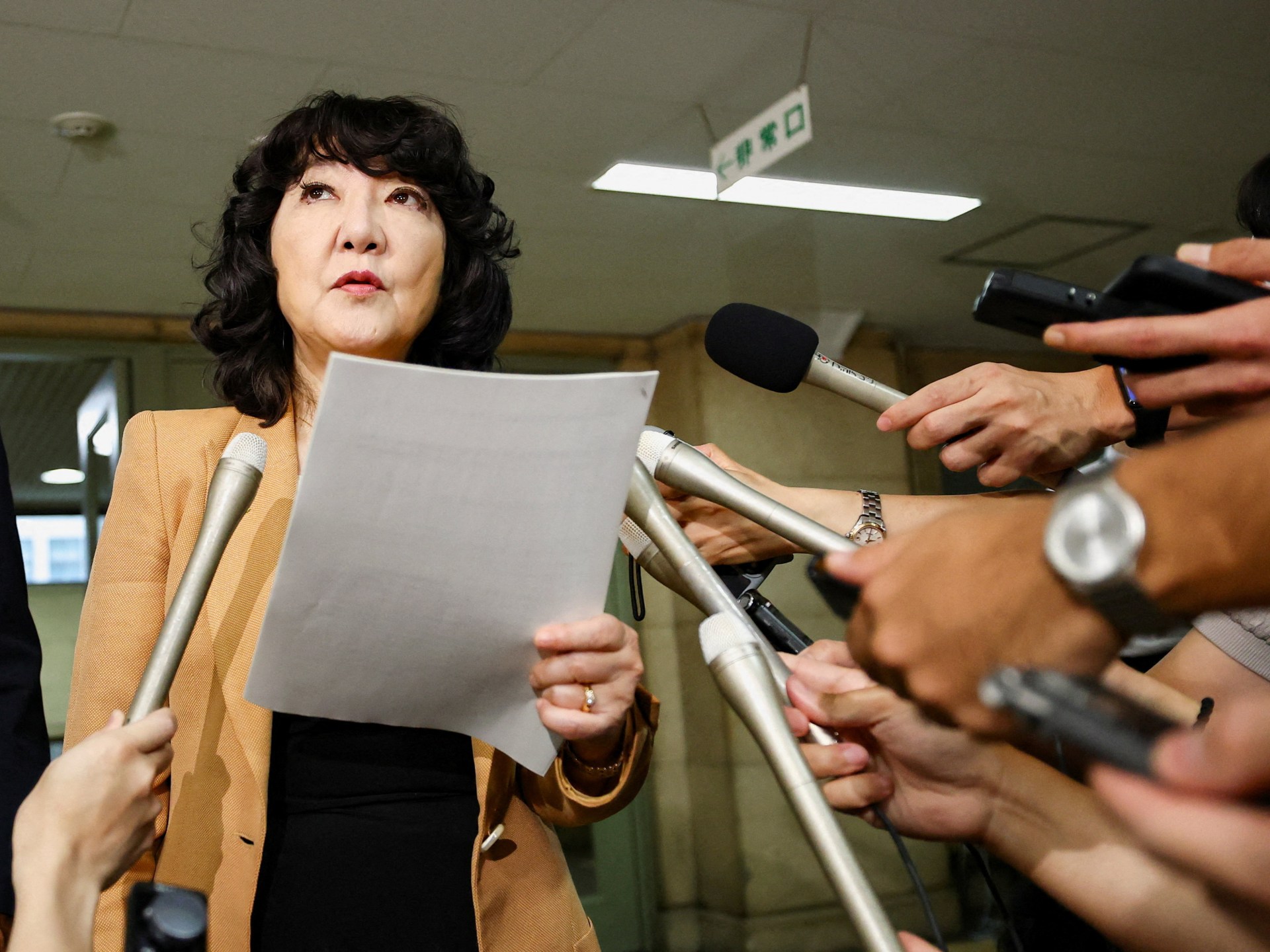
Japan’s Finance Ministry said the yen-buying intervention with the U.S. Treasury Department on Friday “countered excessive volatility and disorderly movements in the Japanese yen in recent months.” It added that it remained “attentive and in close communication” with U.S. Treasury counterparts and “will not hesitate to conduct further joint intervention.”
Bessent also said Washington was prepared to act again. “The coordinated foreign exchange actions countered disorderly yen movements,” he said in a social media post. “We strongly support Japan’s decisive market and monetary steps to correct the substantial undervaluation of the yen.”
U.S. President Donald Trump framed the intervention as support for an ally. “They have a weakening yen, and they wanted a little bit of help. And we’re always there for Japan,” Trump told reporters on Sunday.
The dollar fell 0.2% to 157.07 yen after Trump’s remarks, remaining well below the 40-year high near 164 reached late last month. It later rose back to 157.70 yen after the Japanese ministry released its statement.
Bank of Japan data indicated that Tokyo may have sold nearly $59 billion in U.S. dollars to buy yen when it intervened in New York markets on Thursday, before the confirmed joint action with Washington on Friday. The U.S. has not confirmed the size of its intervention, but the BBC reported that a Reuters photograph of a notepad in front of Bessent during a cabinet meeting on Friday read: “To Do: Buy Japanese Yen $5-10 bil.”
The yen’s weakness has been driven largely by the gap between Japanese and U.S. interest rates. Japan’s central bank last raised rates in June, lifting its main rate to 1%, the highest level since September 1995. The U.S. Federal Reserve’s benchmark rate is in a range of 3.50% to 3.75%, making the yen less attractive to international investors.
Japan also faces a decades-long decline in its working-age population, low productivity and a heavy reliance on energy imports priced in dollars. A weaker yen raises import costs and can fuel broader inflation, weighing on households.
Analysts cited by Al Jazeera said the coordinated move underscored both countries’ determination to prevent a sell-off in the yen and Japanese government bonds from affecting global markets, including by adding pressure to already rising U.S. Treasury yields. Al Jazeera also reported that South Korea stepped in to buy its won currency on Thursday, a sign of broader policy coordination.
Japan had already intervened in April and May to buy yen, but those moves produced only brief rebounds, Al Jazeera reported. The Bank of Japan’s June rate increase also gave the currency little lasting support.








Be First to Comment