Key takeaways:
- Iran’s military said it targeted U.S. facilities at Ahmad al-Jaber Air Base in Kuwait with drones; Kuwait said it intercepted hostile drones and reported no casualties.
- Iranian media reported three members of a family were killed in a U.S. strike on Qeshm Island, which Iran cited as a reason for retaliation.
- The U.S. Senate rejected a resolution to limit President Trump’s Iran war powers by a 49-50 vote.
Iran said Friday it launched drone strikes at U.S. military facilities in Kuwait, marking a new escalation a day after American strikes hit multiple locations inside Iran, including Qeshm Island in the Strait of Hormuz.
Iran’s military said it targeted “fighter aircraft shelters, satellite communications systems and equipment storage facilities” at Ahmad al-Jaber Air Base in southern Kuwait. It described the attack as retaliation for U.S. strikes on Iran and what it called a “brutal attack on a residential home on Qeshm Island.” Iranian media reported that three members of a family were killed in the Qeshm strike.
There was no immediate comment from U.S. Central Command. Kuwait’s Defense Ministry said it had detected hostile drones in Kuwaiti airspace since dawn and “successfully intercepted and destroyed them.” The ministry said Iran had targeted “a number of vital and military facilities,” without specifying them, and that falling debris caused material damage but no casualties.
The Iranian army, in a statement reported by the semiofficial Tasnim news agency, said Ahmad al-Jaber serves as a key hub for U.S. aerial surveillance and operational support in the region. Tehran-based researcher Ali Akbar Dareini told Al Jazeera that Iran appears to be targeting what it sees as staging grounds for future U.S. operations. “Iran does not want to allow the US to decide when to start the war, when to pause temporarily and when to restart the war,” he said. “Iran is now targeting the staging grounds of future operations.”
The Kuwait claim followed U.S. strikes overnight Wednesday on dozens of Islamic Revolutionary Guard Corps targets in Iran, according to CENTCOM. Explosions were reported in Fars province, Kish Island, Bushehr province, Khuzestan province and Hormozgan province. The IRGC had vowed retaliation, saying through Iran’s Fars news agency that “with the help of God Almighty, the aggressor will be punished today.”
Iran’s Revolutionary Guard also said Friday that it struck two oil tankers attempting to pass through the Strait of Hormuz under a U.S. military “aerial escort.” The IRGC said the “non-compliant oil tankers … were struck and stopped, while four other oil tankers quickly changed course and returned to their previous locations.” CBS News reported that U.S. Central Command said Thursday it had redirected 24 commercial vessels since restarting a blockade on Iranian ports earlier this month. CBS also reported that the Strait of Hormuz, which normally carries about 20% of global oil shipments, has been effectively closed by Iran since the war began on Feb. 28.
Elsewhere, Iranian state media said the bodies of five IRGC members killed in joint U.S.-Saudi strikes in Iraq had been returned to Iran. The United States and Saudi Arabia said Wednesday they struck Iran-backed militants in Iraq after recent attacks on Saudi oil facilities, which they attributed to Iran-aligned groups operating from Iraqi territory. CBS News, citing AFP, reported the strikes killed at least 20 militants, including the five Iranians.
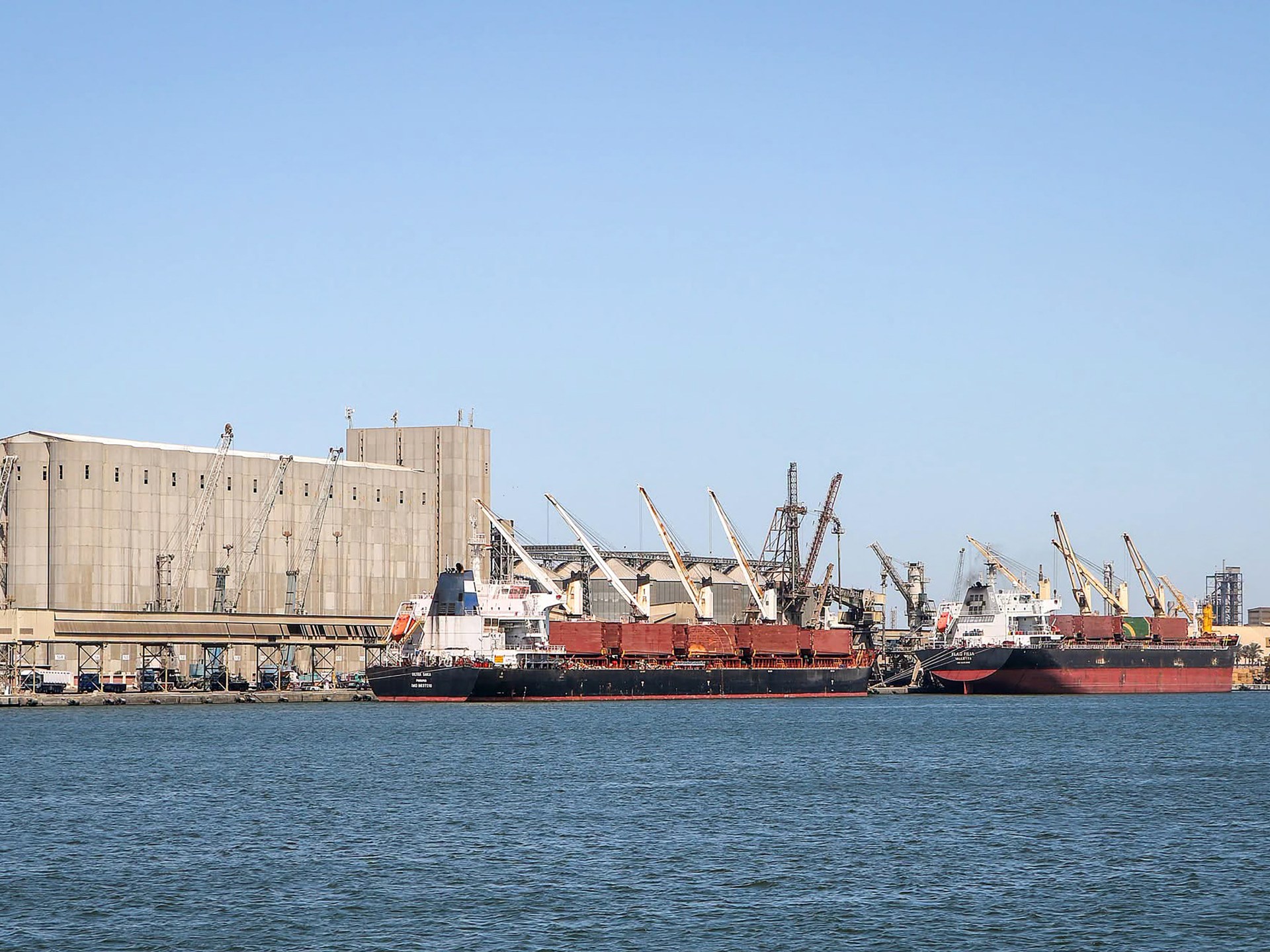
Regional tensions have also spread to Jordan, Egypt and shipping lanes. Jordan’s armed forces said Thursday that air defenses intercepted five missiles launched from Iran toward the kingdom. Egypt said a drone caused a fire that damaged two ships at the Mediterranean port of Damietta; Reuters reported the drone hit the U.S.-owned gas storage tanker Energos Winter, while Iran denied involvement.
In Washington, the Senate on Thursday narrowly rejected another effort to limit President Trump’s Iran war powers. The resolution failed 49-50.






Be First to Comment