Key takeaways:
- CENTCOM said U.S. and Saudi strikes hit logistics and weapons sites in eastern Iraq after more than 30 IRGC-directed drone attacks in 72 hours.
- The U.S. military said Iran launched multiple ballistic missiles at American forces Tuesday and that all were intercepted.
- Trump said the U.S. and Iran had held “very good talks,” while Iran said it was not currently seeking direct talks with Washington.
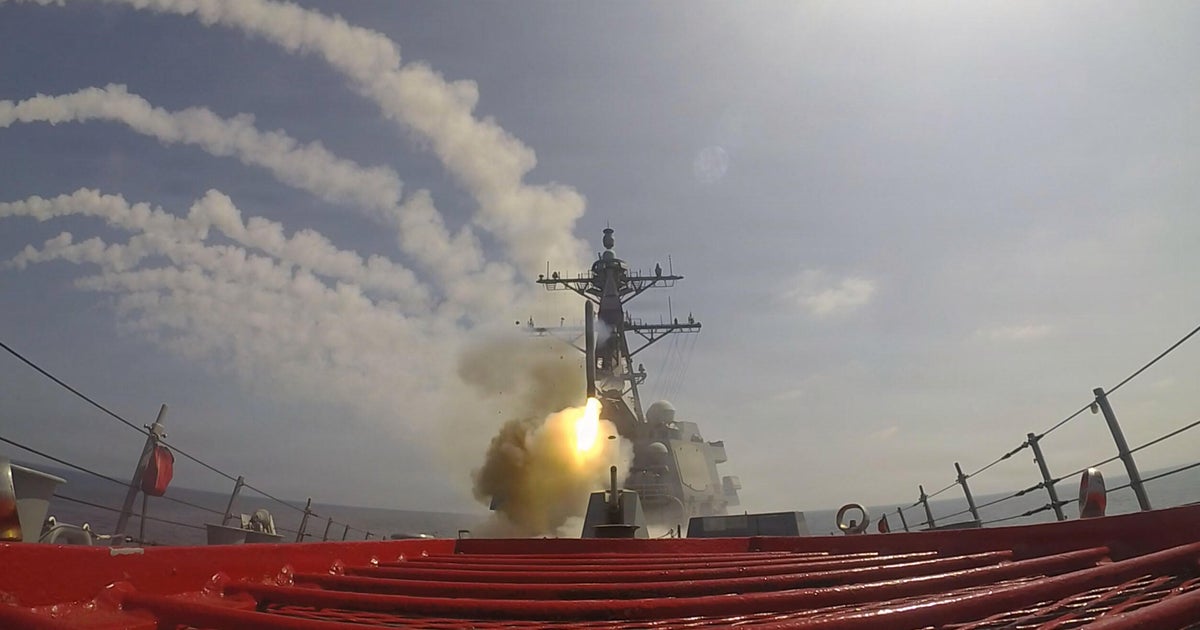
U.S. and Saudi forces struck Iran-aligned targets in eastern Iraq late Tuesday after what the U.S. military described as a wave of drone and missile attacks aimed at American forces and Saudi energy facilities, breaking a brief pause in the fighting as Washington and Tehran traded sharply different messages about diplomacy.
U.S. Central Command said the joint operation hit “terrorist logistics and weapons sites across eastern Iraq.” Saudi Arabia’s Ministry of Defense confirmed it had carried out “precise and targeted strikes,” citing its right to self-defense.
CENTCOM said the strikes were a response to more than 30 aerial drone attacks over the previous 72 hours directed by Iran’s Islamic Revolutionary Guard Corps. The U.S. military said the attacks on American assets were unsuccessful. Saudi officials said they had intercepted drones launched from Iraq that targeted petroleum facilities in Riyadh and in the kingdom’s east.
“The IRGC and its terrorist proxies must cease these attacks to avoid further U.S. military response,” CENTCOM said.
The U.S. and Saudi Arabia did not identify the groups targeted in Iraq. Iran backs several Shiite militia groups there that have previously fired rockets at U.S. forces, including Kata’ib Hezbollah, which the United States designates as a foreign terrorist organization.
Earlier Tuesday, CENTCOM said Iran’s Revolutionary Guards launched “multiple” ballistic missiles in what it called an “attempted surprise attack” on U.S. forces in the Middle East. The BBC reported that the attack occurred at 17:45 EDT, or 21:45 GMT, and that all missiles were “successfully intercepted.” CENTCOM did not disclose the locations of the targets. Tehran has not commented on the U.S. claims, the BBC reported.
The renewed hostilities interrupted a short lull that had raised hopes for renewed negotiations. President Donald Trump said Tuesday morning that the United States and Iran had held “very good talks” and said he was optimistic the two countries could reach an agreement. But he also warned that the U.S. would “finish the job” if no deal was reached with the Iranian government.
Iran has said it is not currently seeking direct talks with the United States. Control and access to the Strait of Hormuz remain a key point of dispute, along with the U.S. demand that Iran give up its uranium enrichment program.
CBS News reported that the strikes could challenge a five-day pause in U.S. attacks on Iran after nearly two weeks of nightly strikes on Iranian targets that ended Thursday night. The BBC reported that the latest crossfire ended a third consecutive day without exchanged strikes and came a day after Trump described “very friendly negotiations” with Iran, while Tehran denied talks were taking place.
The BBC also reported that the strikes coincided with Israeli Prime Minister Benjamin Netanyahu’s visit to Washington, where he met Trump at the White House and attended the funeral of U.S. Sen. Lindsey Graham, a prominent Iran hawk.
The fighting has also spread to nearby waterways. CBS News reported that Yemen’s Houthis, another Iran-backed militant group, have fired at Saudi tankers in the Red Sea, threatening a key route off Saudi Arabia’s western coast as Iranian attacks seal off the Strait of Hormuz on the other side of the Arabian Peninsula.
At least 624 U.S. service members have been wounded since Trump ordered strikes against Iran in February, according to Pentagon data cited by the BBC. The Pentagon said 417 of them were injured in relation to Operation Epic Fury, the joint U.S.-Israeli military operation against Iran.





Be First to Comment