Key takeaways:
- The 21st Century ROAD to Housing Act passed the Senate 85-5 and the House 358-2 and will become law at midnight without Trump’s signature unless he vetoes it.
- Trump said he would not sign the housing bill in protest of the Senate not passing the SAVE America Act, which would add federal voting restrictions.
- The housing bill would speed environmental reviews, encourage more housing construction and limit institutional investors from buying additional single-family homes.
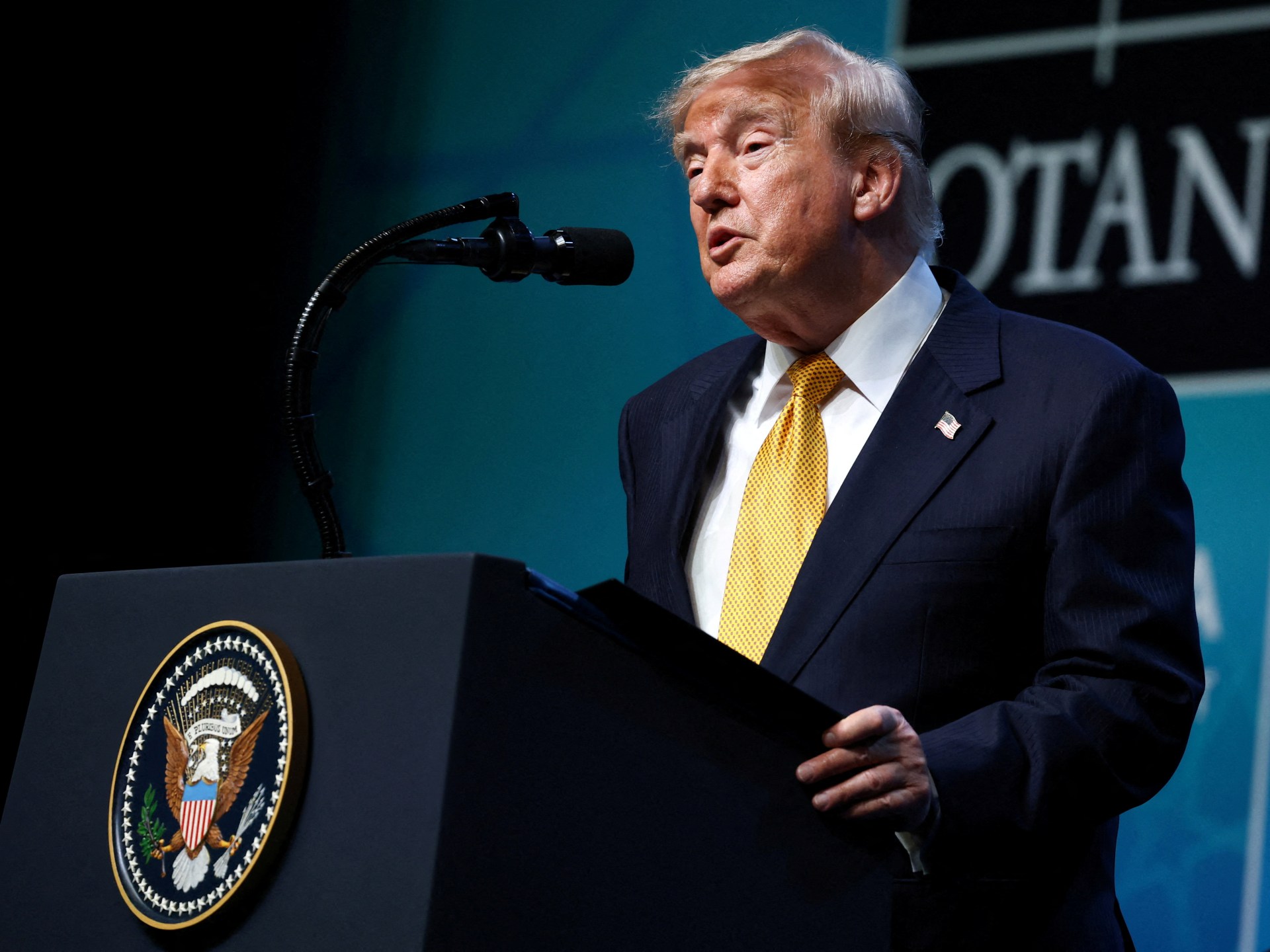
A sweeping bipartisan housing bill is set to become law at midnight without President Donald Trump’s signature, after he said he would withhold support for the measure to protest the Senate’s failure to pass a separate voting bill.
The legislation, known as the 21st Century ROAD to Housing Act, represents the biggest shift in federal housing policy for buyers, renters and builders in decades. Congress approved it last month by wide margins after negotiations between Democrats and Republicans, passing the Senate 85-5 and the House 358-2.
Trump said Friday on Truth Social that he would not sign the housing bill because the Senate had not passed the SAVE America Act, a voting measure backed by Republicans. “I will not sign the Housing Bill, which has been fully approved by Congress and sent to the White House, in PROTEST over the fact that the United States Senate is not capable of passing THE SAVE AMERICA ACT,” he wrote.
The president gave no indication he would veto the housing legislation. Under the process triggered when House Speaker Mike Johnson sent the bill to Trump’s desk on June 29, the president had 10 days to sign or veto it. If he does neither, it becomes law without his signature. Johnson said Trump was unlikely to issue a last-minute veto.
The housing bill would speed up environmental reviews for construction projects, expedite development and limit the number of single-family homes institutional investors can buy. It would also create incentive programs for communities to build more housing, encourage modular home construction and make it easier for communities to convert underused land into residential housing.
Housing affordability remains a major concern for Americans. A Bipartisan Policy Center poll found 79 percent of Americans consider the cost of housing either “an extremely important” or “very important” issue. The U.S. median home price reached a record $440,600 in June, while the average 30-year fixed mortgage rate stands at 6.49 percent. The same poll found 70 percent of Americans support barring institutional investors that own more than 350 homes from buying additional single-family homes.
Trump canceled a planned signing ceremony for the housing bill on June 24, denying Republican allies a public opportunity to promote their work on housing affordability. He later dismissed the measure as “a big yawn” and “so unimportant” compared with the SAVE America Act.
The voting bill passed the House in February but is opposed by Senate Democrats and lacks the votes needed to overcome the chamber’s 60-vote filibuster threshold. The measure would require proof of citizenship to register to vote, create a national voter database using state records and impose new limits on mail-in voting. Al Jazeera reported that about one-quarter of Republicans voted by mail in the 2024 presidential election, citing an MIT survey. Under current election law, states administer elections, not the federal government.
Democrats criticized Trump’s decision to withhold his signature from the housing bill. House Minority Leader Hakeem Jeffries wrote on X: “Republicans would rather make it harder to vote than easier to afford a home.” Senate Democratic leader Chuck Schumer said: “His priorities couldn’t be clearer: higher costs for families and more power for himself.”
Trump’s push for the SAVE America Act has also drawn scrutiny over preparations for the November midterm elections, when Republicans will be defending their majorities in the House and Senate. The Guardian reported that on Thursday, Trump fired the last three commissioners on an independent federal body that assists election administration nationwide. The White House declined further comment to The Guardian and did not respond to Al Jazeera’s request for comment.









Be First to Comment