Key takeaways:
- Trump canceled a planned signing of a bipartisan housing bill hours before a scheduled Capitol Hill lunch with Senate Republicans.
- The SAVE America Act would impose stricter rules for voter registration and ballot casting, but Senate GOP leaders say it lacks the 60 votes needed to advance.
- Sen. Elizabeth Warren criticized the delay, while House Speaker Mike Johnson defended Trump’s use of the housing bill as leverage.
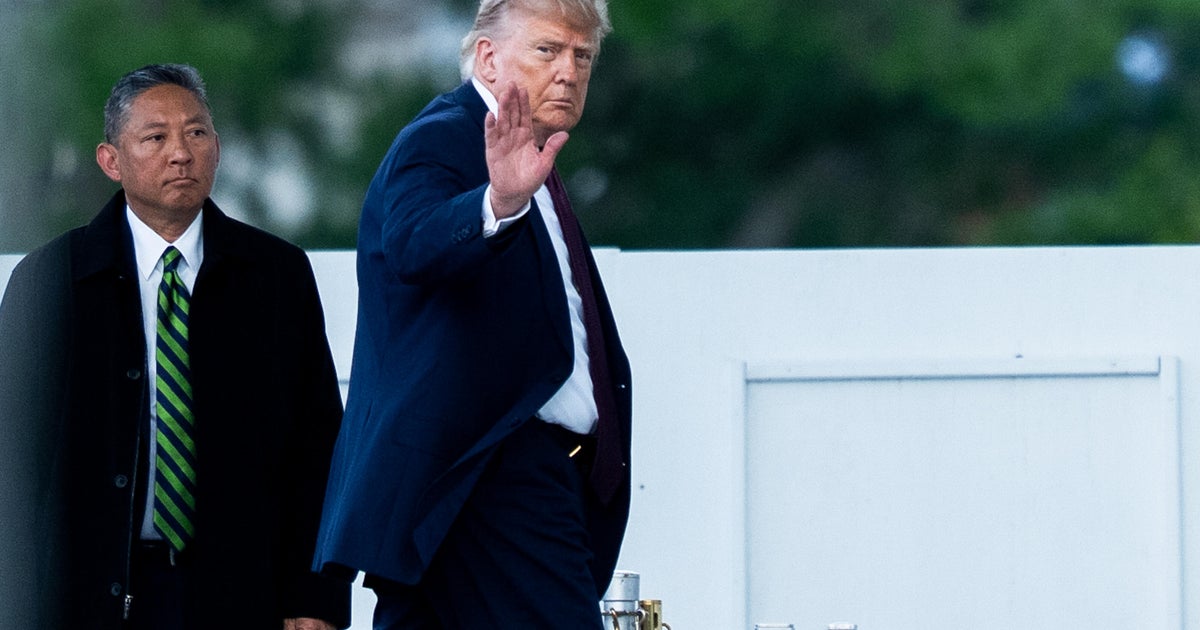
President Donald Trump abruptly canceled plans Wednesday to sign a bipartisan housing bill, using the measure aimed at lowering housing costs to press Senate Republicans to act on a voting bill their leaders say lacks the votes to pass.
The decision came hours before Trump was scheduled to go to Capitol Hill for lunch with GOP senators, a meeting already expected to focus on the SAVE America Act. The president said on Truth Social that the housing signing was “hereby cancelled until such time as we pass the desperately needed SAVE AMERICA ACT, which I consider to be a National Emergency.”
Earlier in the day, Trump said the housing bill “pales in comparison” to passing the voting measure. The housing legislation had been viewed as a major bipartisan agreement on affordability ahead of the midterm elections. The Guardian reported that the bill is aimed at boosting housing supply and home-buying and cracking down on corporate landlords buying single-family homes.
The SAVE America Act would impose strict new rules for registering to vote and casting ballots, including requirements tied to proof of citizenship and voter identification. Democrats oppose the bill, saying it would disenfranchise millions of eligible voters. Some Republicans have also indicated they would not support it, leaving it short of the 60 votes typically needed to advance most legislation in the Senate.
Trump and conservative allies, including Sen. Mike Lee of Utah and some House conservatives, have pushed Senate Majority Leader John Thune and other Republicans to eliminate the filibuster to pass the bill. Thune has repeatedly said Republicans do not have the votes to change Senate rules or pass the measure.
“Those are just hard realities,” Thune said Tuesday, according to The Guardian. “And I think people at some point have to come to grips with that.”
Sen. Mike Rounds, R-S.D., who supports the voting bill, said the numbers are not there. “The president is lobbying, he’s making it very clear how important he thinks it is. I’m a cosponsor on the bill, I think it’s important, but the numbers are not there,” Rounds said. He added that “Thune is correct when he says arithmetic still matters in the Senate.”
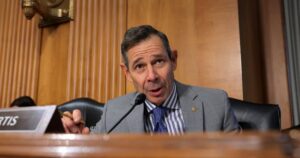
Sen. Thom Tillis, R-N.C., was more blunt. He called the push “a waste of time,” telling reporters Tuesday, “It’s a distraction and it’s not going to happen in this Congress.”
Sen. Rick Scott, R-Fla., said he invited Trump to the lunch of the Senate Republican Steering Committee after speaking with the president. Scott said he expected the group to discuss several issues, including the elections bill. “The voters still want the SAVE America Act,” Scott said. “What’s our plan?”
House Speaker Mike Johnson defended Trump’s decision to delay the housing bill signing. Johnson told reporters he had spoken with Trump about the SAVE America Act and said, “He has expressed his priority and preference of the SAVE America Act. We share that.” Johnson said the House had passed the measure three times and that it had been “stuck in the Senate.” He described the housing bill as “a great product” and said he expected Trump to sign it later within the available window.
Democrats criticized the president’s move. Sen. Elizabeth Warren, a co-sponsor of the housing bill, told CNBC that canceling the signing showed “complete indifference to the costs Americans are facing.” She added, “He could be over here getting a victory lap … he really doesn’t care about American families.”
The dispute adds to recent tensions between the White House and Senate Republicans. CBS News reported that the administration has made several moves that disrupted Senate plans, including a Justice Department announcement involving an “anti-weaponization” fund that affected funding for immigration enforcement agencies and Trump’s decision last week that complicated the chamber’s plans to confirm his pick for director of national intelligence.
Thune said Tuesday that he and Trump “at times have differences of opinion,” but said Republicans have been united on major issues. He said he hoped the meeting would help the party decide how to “optimize the chance to get as much done as we can” before the midterm elections.




Be First to Comment