Key takeaways:
- Ukraine said its drones struck Sevastopol’s main power substation during attacks on 48 operational and planned military sites.
- Sevastopol’s Moscow-installed governor said some areas would remain without power until Wednesday evening and urged residents to conserve phone batteries.
- Russia said it destroyed more than 300 Ukrainian drones overnight, while Ukraine said it intercepted 95 of 101 Russian drones.
Ukrainian drone strikes knocked out power in Sevastopol, the largest city in Russian-occupied Crimea, leaving some areas facing outages until Wednesday evening and deepening pressure on a peninsula already hit by fuel shortages.
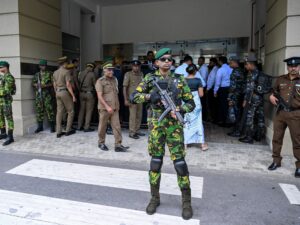
Mikhail Razvozhayev, the Moscow-installed governor of Sevastopol, said Ukraine attacked energy facilities overnight and that a “special regime” had been put in place while authorities assessed the damage. Emergency services were placed on full alert.
“We will not be intimidated by the lack of light. We have gone through more than that, and we will survive now,” Razvozhayev wrote on Telegram. “The enemy is again striking vilely, trying to deprive us of our usual living conditions and sow panic.”
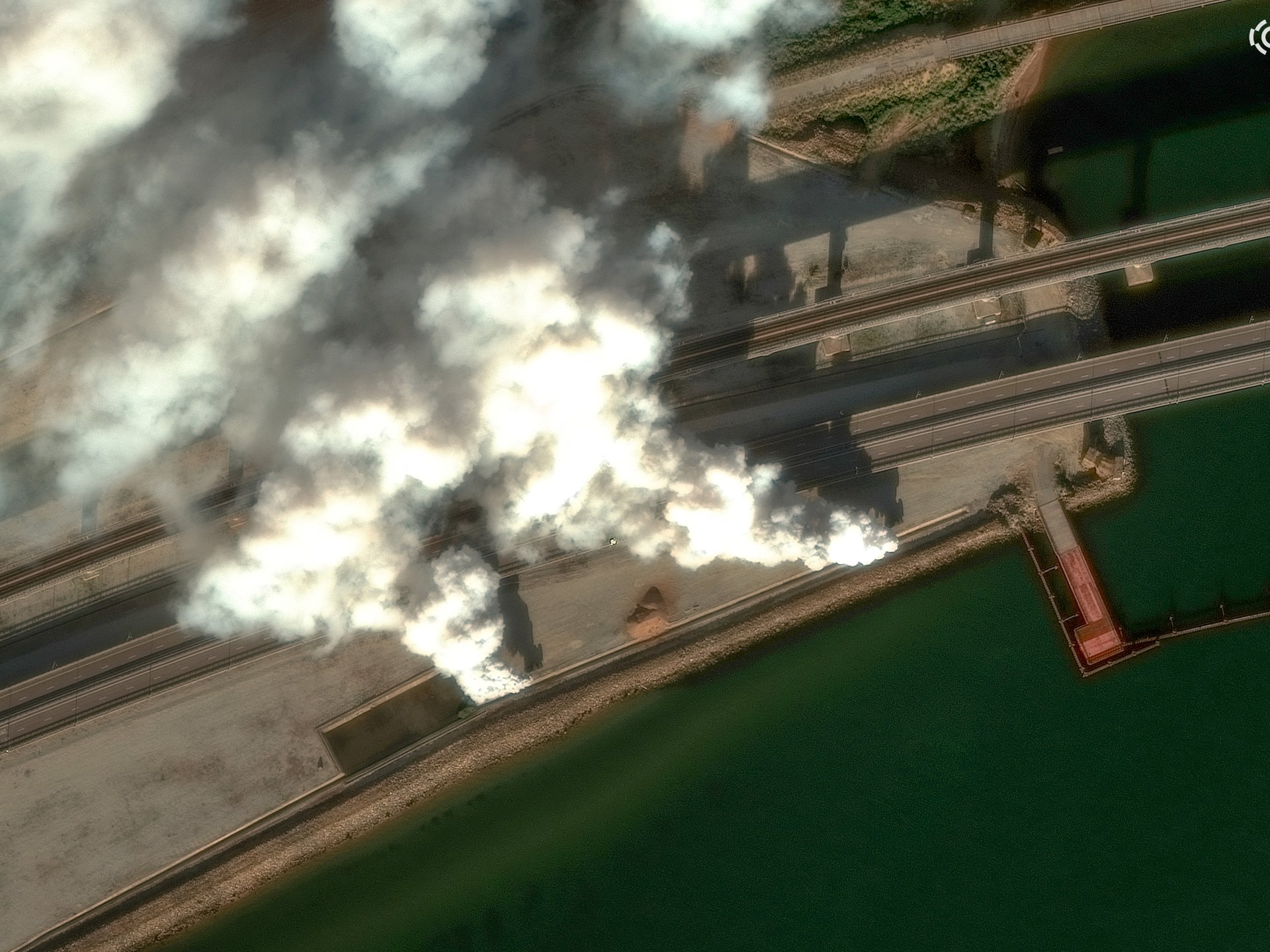
Ukraine said its drones struck Sevastopol’s main power substation. Robert Brovdi, commander of Ukraine’s Unmanned Systems Forces, said Wednesday that drones had targeted 48 operational and planned military sites. The BBC reported that explosions were also heard in Bakhchisarai, Kerch and near Mount Ai-Petri, where a radio engineering battalion of the Russian Aerospace Forces is based.
Razvozhayev urged residents to conserve electricity and preserve mobile phone batteries by dimming screens and switching off background apps. He also asked people to check on elderly neighbours as temperatures were expected to reach 30C. Al Jazeera reported that trolleybuses in Sevastopol would not operate Wednesday and that parents were asked to keep children at home.
The outages came as Kyiv has intensified strikes on Russian-held energy and logistics targets, including facilities tied to oil supplies. Crimea, annexed by Russia in 2014 but internationally recognised as Ukrainian, has also been hit by fuel shortages after Ukrainian efforts to isolate the peninsula. On Sunday, Russian-installed Crimean leader Sergei Aksyonov announced that petrol sales to the public had been suspended. Fuel is now mostly reserved for government services, though local residents told the BBC that some garages still had supplies in their tanks.
Panic-buying has begun in some shops, with sugar reported to be in especially short supply. Ukraine has also targeted bridges linking Crimea with other Russian-held areas of Ukraine, including routes through occupied southern Ukraine and the road and rail bridge across the Kerch Strait.
Ukrainian Defence Minister Mykhailo Fedorov said last week that Kyiv’s forces were “isolating Crimea with drones.” Speaking on a blogger’s YouTube channel, he said: “It looks like in the nearest time, Crimea will become an island. This could lead to some very unexpected consequences for Russians.”
The strikes were part of a broader exchange of drone attacks. Russia’s defence ministry said its forces destroyed more than 300 Ukrainian drones overnight. Kyiv’s air force said Russia launched 101 drones at Ukraine overnight and that 95 were intercepted and destroyed.
Al Jazeera reported that Russian-held parts of Ukraine’s Kherson region were also partially or fully without power, according to Moscow-installed Governor Vladimir Saldo, who gave no further details. It also reported that separate Ukrainian drone attacks killed two people in Russia’s Nizhny Novgorod region and one person in Belgorod, according to local governors. Ukrainian authorities said a Russian drone attack killed a 56-year-old woman in the Kharkiv border region.
The BBC reported that a 200-drone Ukrainian strike last Thursday hit an oil refinery in the southeast of Moscow. Residents said specks of black oil fell on streets after the attack, while Moscow authorities denied reports of “oil rain.”
The war has continued for four and a half years since Russia invaded Ukraine. On June 4, Ukrainian President Volodymyr Zelensky sent an open letter to Russian President Vladimir Putin calling for direct face-to-face negotiations and a ceasefire. Putin called the note “rude” and refused a meeting, saying peace talks should come before any ceasefire.

Be First to Comment