Key takeaways:
- Iran said it has made no new commitments to allow IAEA inspections of nuclear sites damaged by U.S. and Israeli strikes.
- The U.S. issued a 60-day sanctions waiver allowing the production, sale and delivery of Iranian crude and petrochemicals until Aug. 21.
- At least 35 commodity carriers crossed the Strait of Hormuz on Monday, the highest daily total since the war began but about one-third of normal peacetime traffic.
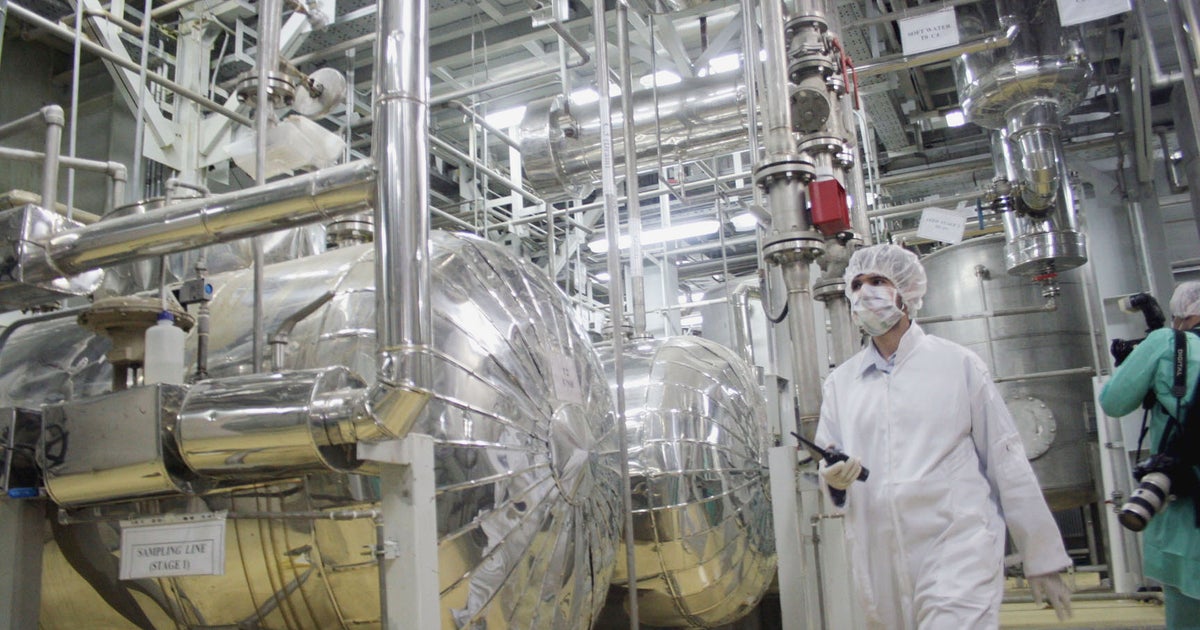
Iran said Tuesday it had made no new commitments to allow United Nations nuclear inspectors back to damaged nuclear sites, pushing back on U.S. claims that inspections could resume within days after the first round of talks aimed at ending the war.
Foreign ministry spokesman Esmaeil Baqaei said Tehran had no plans for International Atomic Energy Agency inspections of facilities hit by U.S. and Israeli strikes. His comments contradicted Vice President JD Vance, who said after talks in Switzerland that Iran had agreed to let IAEA inspectors visit nuclear sites as soon as this week.
“We have not had a meeting with the director general of the International Atomic Energy Agency, nor do we have any plans for the agency to inspect Iran’s nuclear facilities damaged by the U.S. and Zionist military aggression,” Baqaei said at a news conference, according to CBS News. In a separate interview with Iranian state media cited by the BBC, Baqaei said Tehran had made “no new commitments” on nuclear inspectors and that any engagement would take place “under existing procedures set by Parliament and the Supreme National Security Council.”
The IAEA did not immediately comment, the BBC reported.
The dispute followed negotiations at the Swiss resort of Bürgenstock, where mediators Qatar and Pakistan said the United States and Iran had agreed to “a roadmap towards reaching a final deal within 60 days.” Vance called the talks a “very good foundation” and said teams discussed reopening the Strait of Hormuz and “de-confliction for the regional ceasefire.”
U.S. Treasury Secretary Scott Bessent said Tehran had committed to keeping the Strait of Hormuz open and allowing IAEA inspectors back into the country in exchange for a 60-day sanctions waiver, according to the BBC. The waiver, issued Monday, authorizes the production, sale and delivery of Iranian crude and petrochemicals until Aug. 21, allows Iranian oil to be imported directly into the United States and unlocks banking, insurance and transportation transactions.
Iran’s chief negotiator, however, told state media Tuesday that the Strait of Hormuz would “never return to its pre-war conditions” and that Iran would maintain control of the vital waterway, CBS News reported.
Traffic through the strait rose Monday to its highest level since the Middle East war began in late February, according to data from maritime tracking firm Kpler cited by CBS News. At least 35 commodity carriers crossed the waterway, about a third of normal peacetime traffic of roughly 120 vessels a day. The total could rise because some ships switch off location transponders while passing through. The strait normally carries about one-fifth of the world’s oil and gas exports.
Iranian state media said Tuesday that technical talks between the United States and Iran had concluded and that four working groups would be formed: sanctions termination, nuclear affairs, reconstruction and economic development, and monitoring and implementation.
Vance said Monday that the Iranians had threatened to leave talks after President Donald Trump warned on social media that the United States could “hit Iran very hard again.” Vance said he told Iranian negotiators Trump was responding to Iranian “trash talk.”
“Trust me, I’ve spent a lot of time dealing with the Iranians over the last few months. Sometimes I find them extremely confusing as negotiators,” Vance told reporters, adding that after reports suggested Iran might leave, the sides continued talking “for like the next nine hours.”
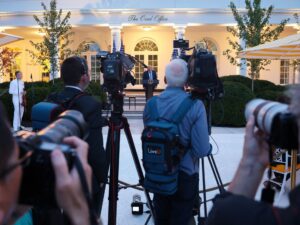
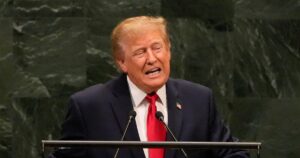
Trump later said from the Oval Office: “If Iran doesn’t live up to their agreement, or if they’re not behaving, I will do what I have to do.”


Be First to Comment