Key takeaways:
- Cuban lawmakers adopted 176 economic measures allowing larger private enterprises, private banks and investor stakes in state companies.
- President Miguel Diaz-Canel acknowledged domestic obstacles including bureaucracy and delayed decisions, while denying the reforms were driven by U.S. pressure.
- The reforms come amid fuel shortages, prolonged blackouts and intensified U.S. pressure, including blocked fuel deliveries since January.
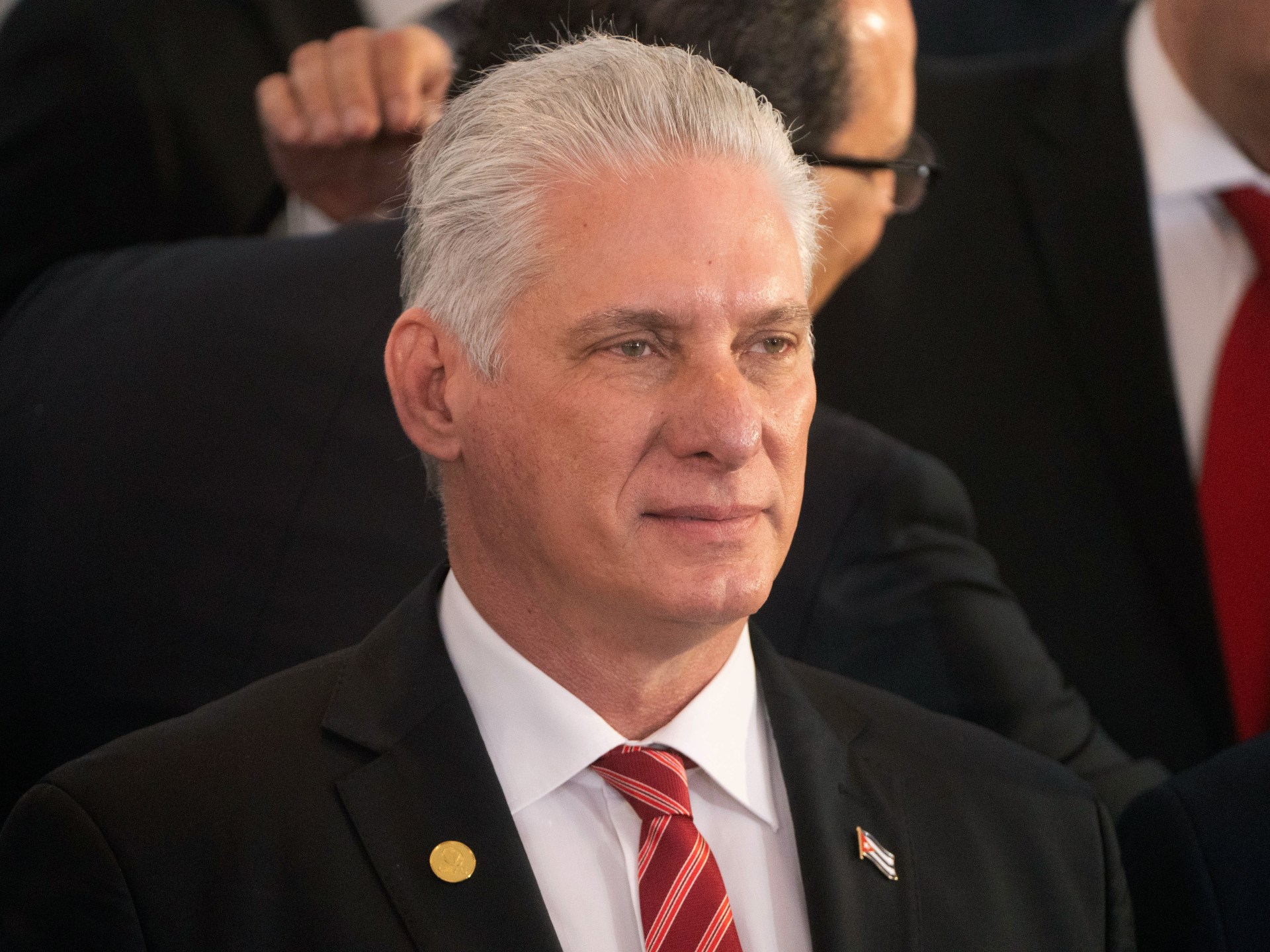
Cuba has approved a sweeping package of free-market reforms that would sharply reduce the state’s role in the economy, opening the door to foreign investment, larger private businesses and private participation in sectors long dominated by the Communist government.
Lawmakers adopted 176 measures Thursday after Prime Minister Manuel Marrero presented the package to the National Assembly. The changes include allowing foreign investors to operate without forming joint ventures with the state, authorizing large private enterprises, permitting Cuban and foreign investors to acquire stakes in state companies, and opening the finance sector to private banks. The plan could also allow private real estate development and the conversion of some state-owned businesses into private commercial ventures with shares and equity stakes.
The vote marked one of Cuba’s most significant economic shifts since the 1959 revolution. Daniel Torralbas, a London-based Cuban economist, described the reforms to Agence France-Presse as “the most profound” since Fidel Castro came to power.
The measures come as Cuba faces a deepening economic crisis marked by fuel shortages, blackouts, food scarcity and shortages of drinking water and medicine. Since January, the Trump administration has blocked fuel deliveries to the island, adding to the pressure of the decades-old U.S. trade embargo. CBS News reported that only one oil tanker, from Russia, has docked in Cuba since the start of the year. Power cuts lasting more than 30 hours have become common.
President Miguel Diaz-Canel said the crisis could not be blamed only on outside forces. He cited “obstacles that don’t come from outside, nor the blockade,” including “slowness, bureaucracy and norms that impede those who want to produce” and “decisions that we have put off.”
“The situation calls for urgent and necessary changes,” Diaz-Canel said, while also suggesting that some measures “will not have absolute consensus, but cannot be postponed.” He insisted the government was “not doing this because of pressure from the Yankees,” but to “preserve” socialism. The National Assembly session ended with Diaz-Canel invoking Castro’s slogan: “Socialism or death!”
The government did not provide a timetable for implementing the reforms. Former Cuban leader Raul Castro, who was indicted by the United States in May, has backed the plan, according to Al Jazeera.
International pressure on Havana has intensified. On Thursday, the European Union passed a resolution calling for sanctions on Diaz-Canel and the leadership of Grupo de Administracion Empresarial SA, a Cuban military-run business conglomerate. The resolution condemned what it called “the systematic repression” by the Cuban government and urged “profound economic and political change.”
In Washington, Vice President JD Vance said Thursday that the United States wanted Cubans to be “happy and successful.” Asked whether Cuba was now in the Trump administration’s sights after a memorandum of understanding to end the war on Iran, Vance said, “We’re actually talking to the Cuban government right now about how they could change their ways to change that.” He added: “If they make smart decisions, we’re going to have a much better relationship with that island.”
Reactions inside Cuba were mixed. Victor Hierrezuelo, a 63-year-old bank worker, told AFP that without reforms, “the revolution will collapse!” Others, worn down by power cuts and shortages, dismissed the measures as too late. But some in the private sector welcomed them. Mario Gonzales, the 32-year-old manager of a restaurant in Havana’s old town, said the changes “offer hope” as he looks for a revival in tourism.


Be First to Comment