Key takeaways:
- The GAO reviewed DOGE savings claims from Jan. 20, 2025, through July 7, 2026, and found $110 billion in reported savings were incorrect or lacked supporting evidence.
- The watchdog found 108 of 264 leases DOGE said it terminated were already in the process of ending before DOGE was established.
- DOGE claimed $1.7 billion in savings from ending a Defense Health Agency IT contract, but the GAO found the contract was never terminated and no savings were achieved.
The Department of Government Efficiency overstated or failed to substantiate billions of dollars in savings it claimed on its online “Wall of Receipts,” the Government Accountability Office said in a report released Thursday.
The congressional watchdog reviewed DOGE’s reported savings from federal contracts, grants and leases between Jan. 20, 2025, and July 7, 2026. It found that $110 billion in claimed savings included estimates that were incorrect or lacked supporting evidence.
“Several issues limit the transparency and reliability of these reported savings,” the GAO said.
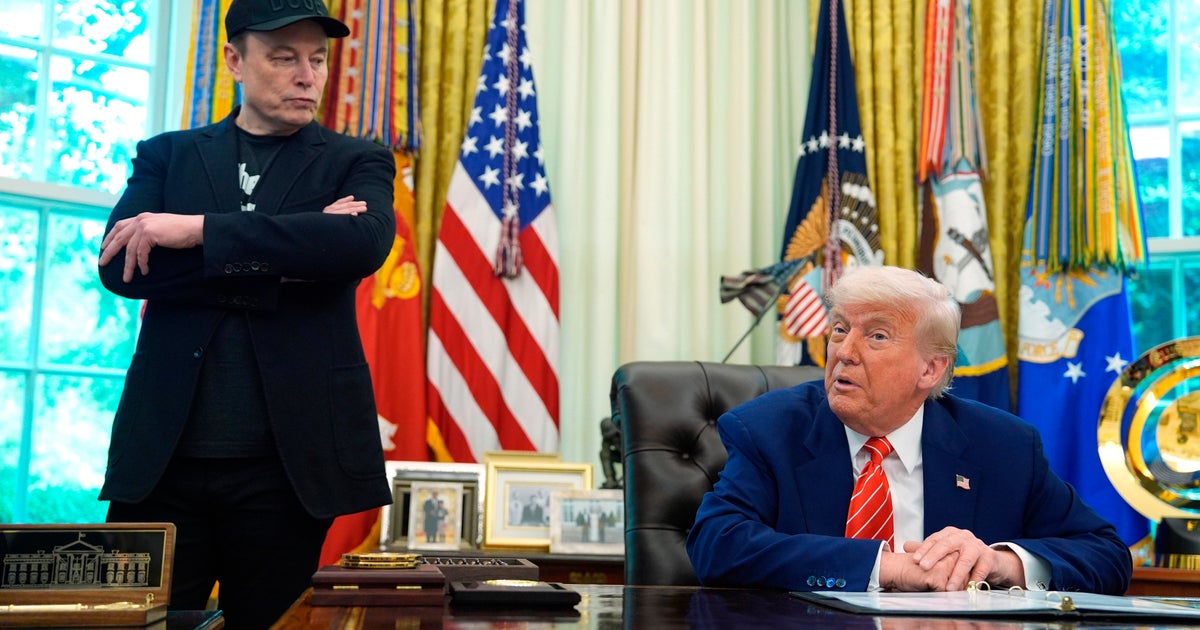
DOGE, which was not an official government department, launched at the start of President Trump’s second term and closed July 4, CBS News reported. It was led in its early months by Elon Musk, the billionaire head of Tesla and SpaceX, who left government in May 2025 to return to his companies. Musk had initially promised to save as much as $2 trillion a year through cuts to federal jobs, programs and spending. DOGE’s website later claimed an estimated $214 billion in savings.
The GAO said DOGE did not provide enough information to verify many of its calculations. For grants, the watchdog found that DOGE “did not provide sufficient information to verify the method used to calculate 96 percent of DOGE-reported savings.” It also said DOGE failed to use its own stated methodology for the majority of savings tied to contracts it reported as terminated.
One finding involved federal leases. DOGE said it had terminated 264 leases, but the GAO found that 108 of them were already in the process of ending before DOGE was established. The BBC reported that those leases accounted for about $15.3 million of the $53.5 million in lease savings DOGE claimed. “The Wall of Receipts does not include an explanation of how the savings from terminated leases were calculated,” the GAO said.
In another example, DOGE reported $1.7 billion in savings from ending a Defense Health Agency information technology contract. The GAO found the contract was never terminated and its funding was not cut, meaning the savings were not achieved.
The report was requested by Democratic Sens. Gary Peters and Richard Blumenthal. Peters said Thursday that while “everyone supports rooting out waste, fraud, and abuse in the federal government,” DOGE had been “a slapdash and deceptive effort that misled the American people while doing real damage to the government’s ability to serve them.” He said Musk and the Trump administration “claimed billions of dollars in savings it could not substantiate, took credit for work already underway, and refused to show its work.”
The GAO said public information such as the Wall of Receipts can be valuable, but only if the methods and limitations are clear. “While the Wall of Receipts includes some information about the data and sources underlying reported savings, it does not sufficiently disclose limitations affecting data quality,” the report said. The watchdog recommended that DOGE prominently display data quality issues and limitations.
Asked for comment, a White House official told the BBC the administration had told the GAO that all employees had to complete ethics training and follow financial disclosure requirements. CBS News reported that DOGE “did not respond to GAO’s request for information or interviews.”
DOGE announced its closure on social media last month, according to the BBC, saying: “While the formal mission of Doge has come to an end, the mission to eliminate waste, fraud, and abuse will continue. Good stewardship of taxpayer dollars and accountable government are not temporary initiatives.”








Be First to Comment