Key takeaways:
- Roman Lavrynovych, 22, and Stanislav Carpiuc, 27, were convicted of conspiring to commit arson targeting property and a car linked to Keir Starmer.
- Counter Terrorism Policing London said there was no evidence the convicted men knew they were targeting the prime minister.
- The BBC identified the alleged online handler as 23-year-old Russian diplomat Evgeny Lyukshin, while Russia denied any link to unlawful activity.
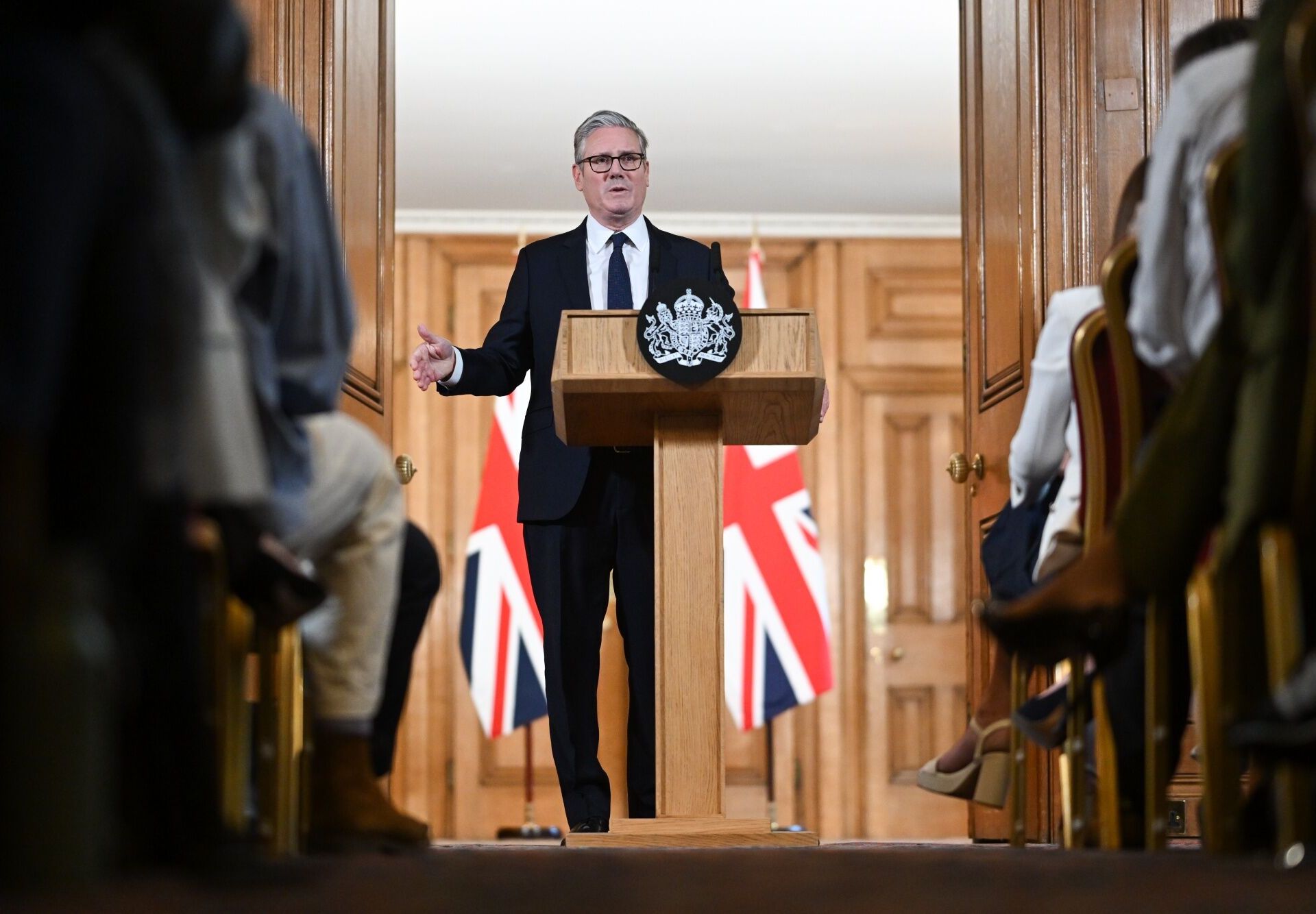
Two men have been convicted in London over a string of arson attacks on properties and a car linked to British Prime Minister Keir Starmer, while the BBC reported that the plot was part of a wider Russian-backed campaign of sabotage, provocation and disinformation.
A jury at the Old Bailey on Monday found Roman Lavrynovych, a 22-year-old Ukrainian national, and Stanislav Carpiuc, a 27-year-old Ukrainian-born Romanian national, guilty of conspiring to commit arson. A third man, Petro Pochynok, 35, was found not guilty of conspiracy to commit arson. Lavrynovych was also convicted of two counts of damaging property by fire while being reckless as to whether lives were endangered, Al Jazeera reported.
The attacks took place over five days in May last year. They targeted a Toyota previously owned by Starmer, the entrance to flats where he used to live, and the entrance to a house he had vacated after moving to No 10. The house had been rented to his sister-in-law, according to the BBC.
Prosecutors said Lavrynovych was directed through Telegram by a Russian-speaking handler saved in his phone as “EL Money,” who offered payment for the attacks. Al Jazeera reported that prosecutors described the payment as about $4,000 in cryptocurrency. The BBC reported that the handler wrote after the attack on Starmer’s house: “Look, you attacked the home of a very high-ranking person in Britain. I’ll send you money, you need to leave the city.” Lavrynovych was arrested within hours.
Counter Terrorism Policing London said there was no evidence that Lavrynovych and Carpiuc knew they were targeting the prime minister. “There’s no evidence to suggest that they knew who they were targeting, and that that was the prime minister,” said Helen Flanagan, head of Counter Terrorism Policing London. She said the online handler’s intention was “to create fear, both for the victim and the prime minister, and cause uncertainty, unrest, for the UK.” The two men are due to be sentenced on Friday.
Officials have said they have no evidence that the attacks were sponsored by a hostile state, Al Jazeera reported. But the BBC, citing its own investigation, said the arson was one element in a broader Russian operation run remotely through social media and Telegram. The BBC identified the alleged handler as Evgeny Lyukshin, a 23-year-old Russian diplomat and son of a senior official, and said messages from the account glorified President Vladimir Putin, attacked Ukrainians and promoted Russian narratives. Lyukshin did not respond to the BBC’s questions.
The Russian embassy rejected the allegation. “We reject any attempt to associate Russia or its foreign ministry with unlawful activities,” it told the BBC, adding that Russia poses “no threat to the United Kingdom or its people and harbours no aggressive intentions towards Britain.”
The BBC also reported that Russian-linked operatives created fake online groups, including a purported far-right organisation called Direct Action UK and a bogus Islamic group called the Takbir Foundation, to stir social tension. Direct Action allegedly promoted hatred of Muslims, offered money for violence and arson, and posted videos branding Starmer a traitor. The BBC said six mosques and an Islamic school in London were vandalised last year after the group offered payment for Islamophobic graffiti.
The Metropolitan Police told the BBC it is investigating seven instances of criminal damage as anti-Muslim hate crimes, with no arrests made, and is “keeping an open mind” on whether the offences are linked.
Anti-racist group Hope Not Hate and Tell Mama, which monitors anti-Muslim hate, both told the BBC they had raised concerns about Direct Action with counter-terror police. Tell Mama chief executive Iman Atta said the online activity was moving “directly into criminal damage and criminal acts of violence and terrorism on our streets.”




Be First to Comment