Key takeaways:
- Iranian spokesman Esmaeil Baqaei said the agreement text was “largely finalized” but Tehran had not reached a “final conclusion.”
- CBS News reported that a U.S.-Iran memorandum of understanding is likely to be signed early next week, starting 60 days of negotiations.
- A U.S. official said American forces shot down two Iranian one-way attack drones near the Strait of Hormuz early Friday local time.
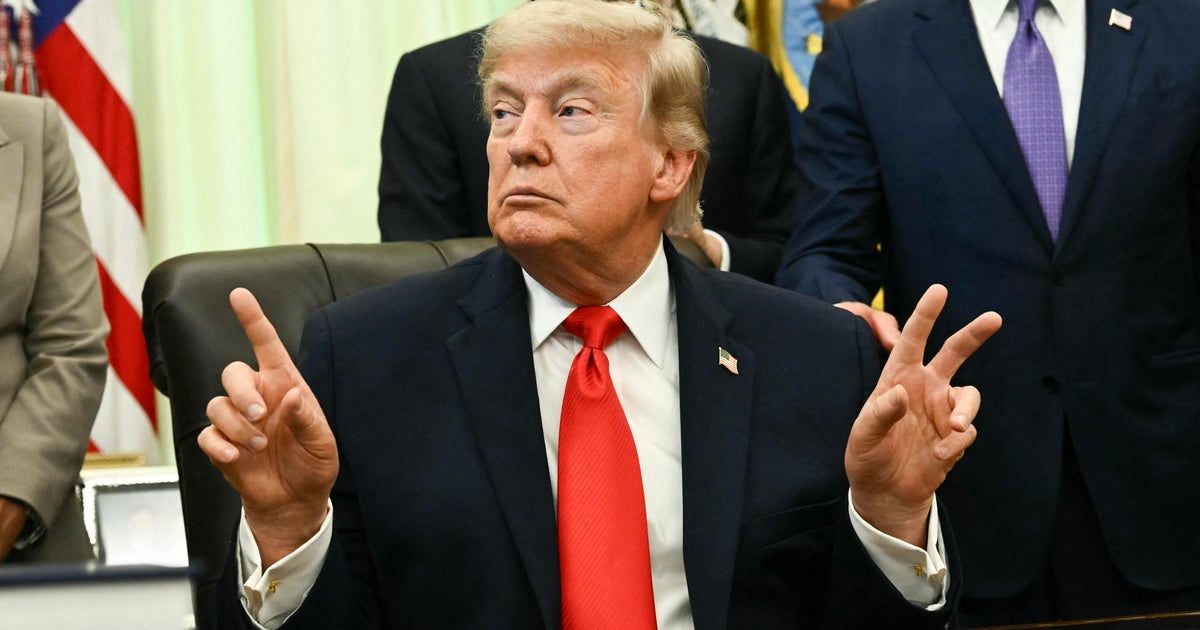
President Donald Trump said the United States had reached a “great settlement” to end the war with Iran, but Tehran said no final decision had been made and accused Washington of shifting positions as negotiators reviewed a proposed memorandum of understanding.
Iranian Foreign Ministry spokesman Esmaeil Baqaei told Iranian state network SNN TV on Thursday that the text of an agreement with the United States was “largely finalized,” but he stressed that it was not yet complete.
“The problem is the contradictory positions of the United States have always caused this process to become unstable and disrupted,” Baqaei said. He said Iran “had not reached a final conclusion on the matter,” after Trump told reporters that an agreement had been reached and that a deal would likely be signed in Europe. “They want it every bit as much as everybody else wants it,” Trump said.
Trump’s comments followed a sharp shift in tone. Earlier Thursday, he said he had called off new military strikes on Iran after warning the United States would launch “very hard” attacks and seize vital Iranian oil infrastructure. Al Jazeera reported that Trump said he had cancelled a third straight night of planned attacks, including threatened strikes on Kharg Island and other oil facilities, because talks were close to producing a deal.
Two sources familiar with the diplomatic efforts told CBS News that a letter of intent or memorandum of understanding between Washington and Tehran was likely to be signed early next week. The signing would open 60 days of talks on a broader agreement, with the period extendable if needed, according to multiple sources cited by CBS News.
Axios reported that the memorandum Trump described would extend the ceasefire for 60 days, reopen the Strait of Hormuz and create further negotiations on Iran’s nuclear programme. The reported terms include a return to pre-war shipping volumes through the strait within 30 days and a lifting of a U.S. blockade on the vital shipping lane. U.S. officials told Axios that Iran would receive some sanctions waivers allowing it to sell oil during the 60-day period.
CBS News reported that early steps in the proposed framework include demining and opening the Strait of Hormuz to ensure “freedom of trade.” In principle, Iran would commit to a 15- to 20-year period without uranium enrichment and dismantle its nuclear sites, while receiving financial relief over time tied to compliance.
Iranian outlets pushed back on Trump’s declaration. The semi-official Fars News Agency, associated with the Islamic Revolutionary Guard Corps, quoted a “knowledgeable source close to the Iranian negotiating team” as saying “no text of the initial memorandum of understanding with the United States has been approved.” Tasnim news agency said Trump had announced an imminent deal 38 times in the previous two months and said that, until Iran announces any understanding, “any news from Trump on this subject should be regarded the same as his previous messaging.”
The Strait of Hormuz remained a flashpoint. A U.S. official told CBS News that Iran appeared to attempt strikes on commercial ships transiting the strait early Friday local time and that U.S. forces shot down two Iranian one-way attack drones. Some traffic through the strait continued, the official said.
Israel, though not a party to the proposed memorandum, was briefed on the diplomatic push. Israeli Prime Minister Benjamin Netanyahu spoke with Trump on Thursday night, Netanyahu’s office said. It said Netanyahu appreciated Trump’s commitment that any final agreement would include removal of enriched material, dismantling of enrichment infrastructure, limits on missile production and an end to Iranian support for regional proxies.
Fighting also continued in Lebanon. The Israeli military said Friday it had killed 80 Hezbollah fighters and struck about 310 Hezbollah-related targets in southern Lebanon over the past week. Hezbollah said it carried out 24 drone, missile and rocket attacks on Israeli forces between Wednesday and Thursday across southern Lebanon and the Bekaa Valley, Al Jazeera reported.






Be First to Comment