Key takeaways:
- Pope Leo told crowds in Gran Canaria that “human dignity has no passport” and urged leaders not to become accustomed to migrant deaths at sea.
- At least 3,090 people died in 2025 trying to reach the Canary Islands, according to Caminando Fronteras, after more than 46,000 migrants reached the archipelago in record numbers in 2024.
- Spain is allowing hundreds of thousands of undocumented migrants who arrived before last December to apply for residence and work permits, a policy criticized by right-wing opposition parties.
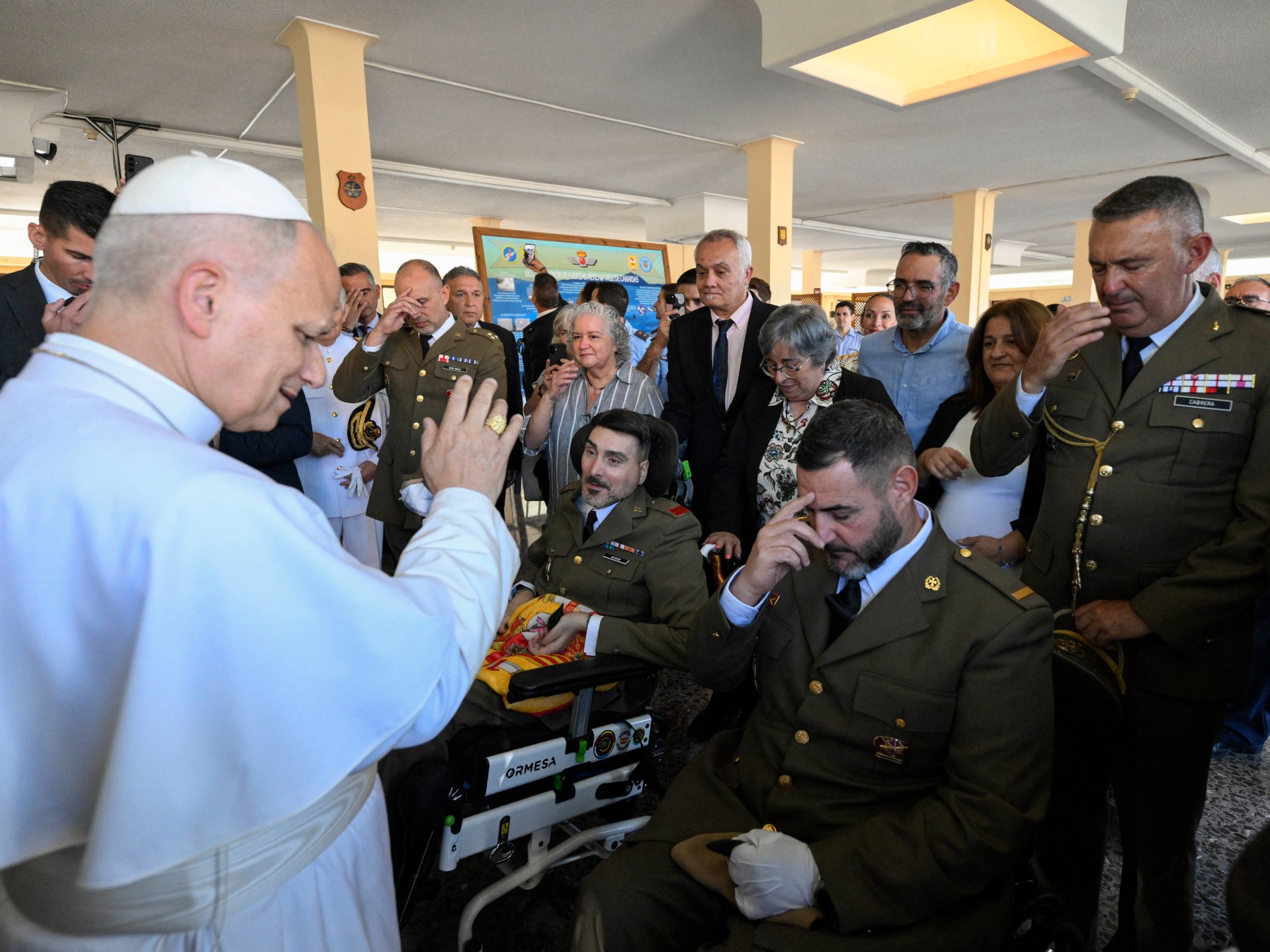
Pope Leo used a visit to Spain’s Canary Islands, one of Europe’s main migration gateways, to press leaders to protect people risking deadly Atlantic crossings and to expand safe, legal routes for those fleeing poverty and conflict.
Speaking Thursday at Gran Canaria’s Port of Arguineguin, the first American pope said “human dignity has no passport and does not lose its value when crossing a border.” He called his message an “appeal to the conscience” of politicians in Europe and beyond.
“We cannot grow accustomed to counting the dead,” Leo told thousands gathered near a memorial to migrants lost at sea. “May history not accuse us of turning the pain of those who suffer into a common sight along our shores.”
The port has been called the “Dock of Shame” by relief groups after about 1,000 people were stranded there in poor conditions during the early months of the COVID-19 pandemic. During the visit, the BBC reported, the pope will drop flowers into the sea in memory of migrants who died trying to reach Europe, including entire boatloads that disappeared without trace. He is also due to meet about 1,000 migrants and refugees on Friday.
The Canary Islands, located off the western coast of Africa, have become a perilous entry point to Europe. More than 46,000 migrants reached the archipelago in 2024, a record year, often in crowded and unseaworthy boats, Al Jazeera reported. At least 3,090 people died in 2025 trying to reach the islands, according to the NGO Caminando Fronteras. UNHCR data show arrivals by sea to Spain have fallen significantly this year, partly because of increased EU-funded interceptions off the West African coast, the BBC reported.
Among those who made the journey is Bakary Jaiju, who was 19 when he left the Gambia in a wooden boat with about 160 people aboard, including women and children. He said the boat spent seven frightening days at sea as food and water ran out.
“You can’t even sleep in case you fall in,” Jaiju told the BBC from Tenerife, where he arrived late last year seeking a “better life.” He said he left behind his wife and baby because “I decided to go, whether I survive or I die, because I want my family to be in a good condition.”
His boat avoided patrols off Mauritania and Senegal but later ran out of fuel before being spotted and rescued off El Hierro. After three “very cold, very difficult” months in a migrant camp, he joined a project run by Padre Pepe, a parish priest whose Good Samaritan Foundation provides housing and workshops for about 170 young men.
“But the streets will eat you up, young people are like carrion there,” Padre Pepe said, describing what happens when migrants age out of local government care at 18. He argues that the labor market can absorb them. “There is huge demand,” he said.
Spain’s Socialist government is allowing hundreds of thousands of undocumented migrants who arrived before last December to apply for residence and work permits. Al Jazeera reported the program could grant residency to more than half a million people, though the process has been slow for many applicants.
The policy has drawn criticism from Spain’s conservative Popular Party, which called it “irresponsible,” and the far-right Vox party, which described it as an “invasion” that would attract more migrants and strain health care, housing and security.
Business leaders in the islands say they need workers. Diana del Molino Rodriguez of Domingo Alonso Group in Las Palmas de Gran Canaria said her car firm could not find local bodywork painters or panel beaters and began hiring young migrants leaving state care. “Nobody was looking at migrants like persons,” she said of the initial backlash.
A new EU migration pact taking effect this week aims to tighten border controls and make it easier to detain and deport people arriving by sea. Francis Candil, the Canary Islands’ deputy minister for welfare, said the region instead needs “a real migration policy” that allows people from African countries to come safely and work.
“Instead,” he said, “we have Europe trying to protect itself behind walls — and to expel people.”








Be First to Comment