Key takeaways:
- The Consumer Price Index rose at a 4.2% annual rate in May, up from 3.8% in April and matching economists’ expectations reported by CBS News.
- Energy prices accounted for 60% of the monthly CPI increase, according to The Guardian, while the BLS said the energy index rose 3.9% in May.
- Core inflation rose 2.9% from a year earlier, while wage growth was 3.4% in the most recent jobs report, according to NBC News.
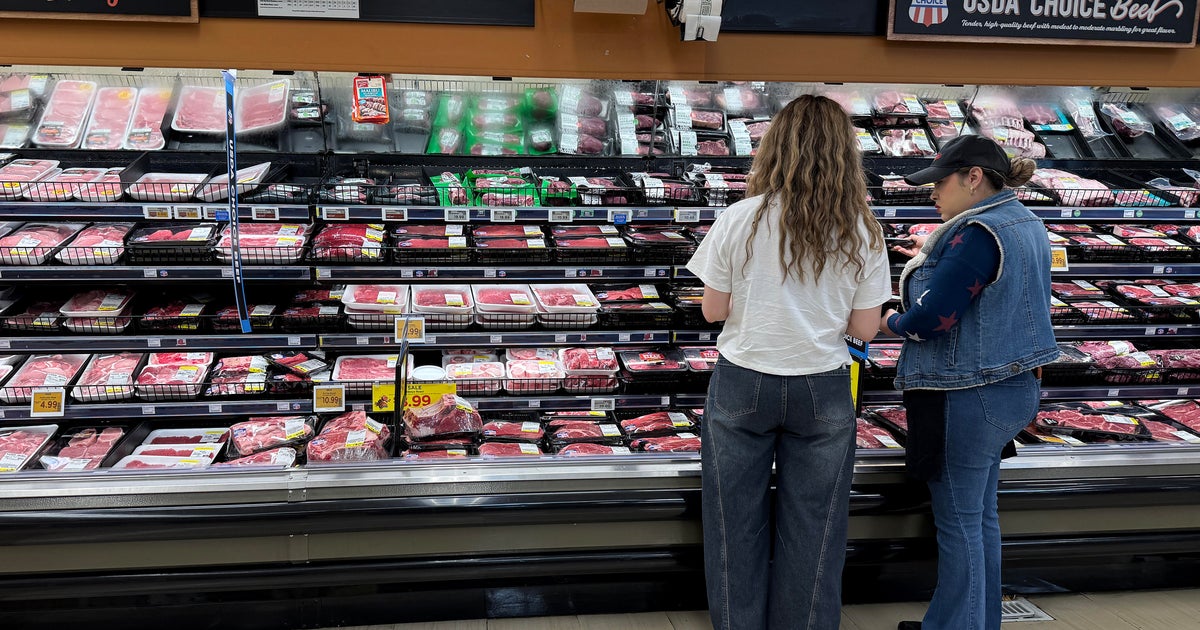
U.S. inflation climbed to 4.2% in May, its highest level in three years, as the war with Iran continued to push energy costs higher and keep pressure on American households.
The Consumer Price Index rose from an annual rate of 3.8% in April, matching the forecast of economists polled by FactSet, CBS News reported. Inflation has accelerated for three straight months since the start of the U.S.-Israel war with Iran, after standing at 2.4% in February and rising to 3.3% in March, according to The Guardian.
Energy prices drove much of the increase. The Bureau of Labor Statistics said the energy index rose 3.9% in May, after increasing 3.8% in April and 10.9% in March. The Guardian reported that energy prices accounted for 60% of the overall monthly increase in the consumer price index.
“The index for energy rose 3.9 percent in May, after rising 3.8 percent in April and 10.9 percent in March,” the Bureau of Labor Statistics said.
Oil prices have risen 35% since the United States and Israel attacked Iran in late February, NBC News reported, though they remain below their highs for the year. U.S. crude briefly climbed above $115 a barrel in early April. Retail gasoline prices have fallen 41 cents from their high this year, but drivers are still paying almost 40% more on average than they were before the war began, according to NBC News. The Guardian reported that gasoline prices remain about $1 per gallon higher than a year ago, despite being slightly lower than a month earlier.
Oil prices jumped nearly 2% on Wednesday after President Donald Trump wrote on social media that Iran had not negotiated with him fast enough and would now “pay the price,” NBC News reported.
Core inflation, which excludes volatile food and energy costs, rose 2.9% from a year earlier, in line with expectations. It increased 0.2% from the previous month. Other everyday expenses, including food, energy services and clothing, also rose, The Guardian reported.
The latest figures show inflation outpacing wage growth. NBC News reported that wages were growing at 3.4% in the most recent jobs report, down from late last year, when average hourly earnings were rising consistently at nearly 4%.
Higher prices have weighed on consumer outlooks. A survey released Monday by the Federal Reserve Bank of New York found households had become more pessimistic about inflation, the labor market, finding a job and the potential for layoffs, The Guardian reported. University of Michigan data showed consumer sentiment fell for a third straight month to a historic low.
The inflation report adds pressure on Federal Reserve officials, who are set to meet next week for the first time under new chair Kevin Warsh. The central bank has held interest rates steady since the end of last year. Rates stand at 3.5% to 3.75%.
Warsh has said he believes rates should be lowered, aligning with Trump, who has pushed the Fed to cut rates. On Tuesday, Trump told reporters he did not think U.S. fuel prices were “very high, relatively speaking,” according to The Guardian.
The labor market has remained strong, with employers adding 172,000 jobs in May and unemployment holding steady at 4.3%. Goldman Sachs said Friday it no longer expected the Fed to cut rates this year and instead predicted rates would remain unchanged through 2026, with cuts delayed until next year. JPMorgan Global Research forecast that rate increases by global central banks were ahead and predicted the Fed would raise rates by 2027.
“Two recent developments are upending the debate about inflation inertia and the monetary policy path,” Bruce Kasman, chief global economist at JPMorgan Chase, wrote in an April report. “The energy price spike is now raising inflation and generating a sharp squeeze on household purchasing power that could intensify if the Middle East conflict keeps the strait of Hormuz closed.”









Be First to Comment