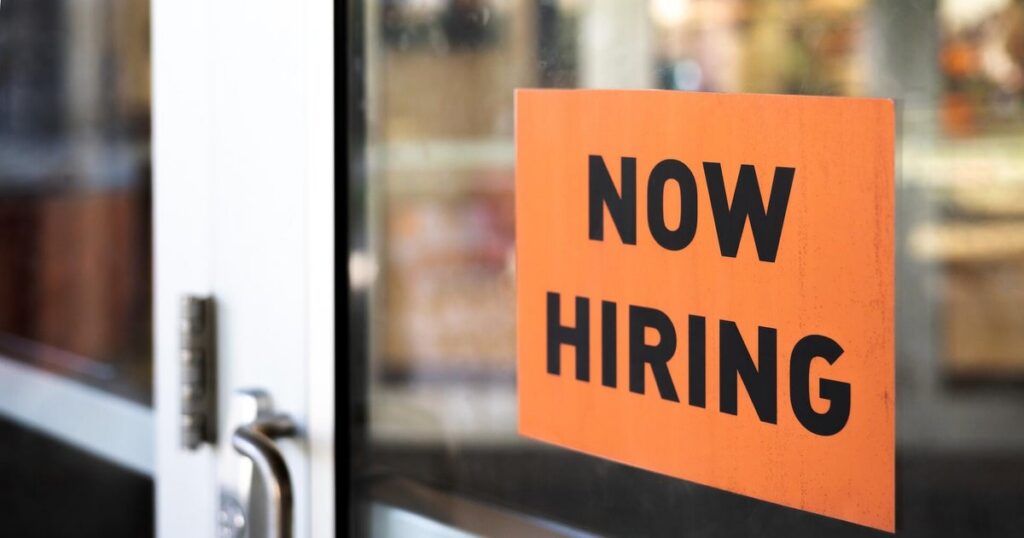
U.S. employers added 57,000 jobs in June, missing forecasts as prior months were revised lower. The unemployment rate fell to 4.2%, but wage growth remained below inflation and leisure and hospitality jobs declined sharply.
Posts tagged as “FactSet”

The Fed’s preferred inflation measure rose at a 4.1% annual pace in May, the fastest since April 2023, as energy prices climbed. Consumer spending and incomes still increased after adjusting for inflation.
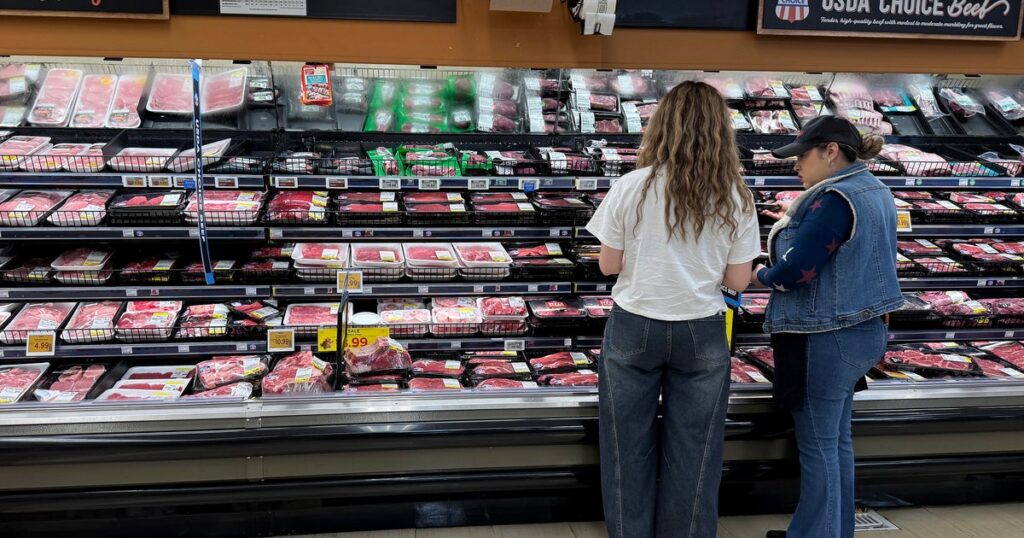
U.S. inflation rose to 4.2% in May, the highest level in three years, as energy costs tied to the Iran war continued to climb. Core inflation increased 2.9%, while wage growth lagged behind the broader rise in prices.
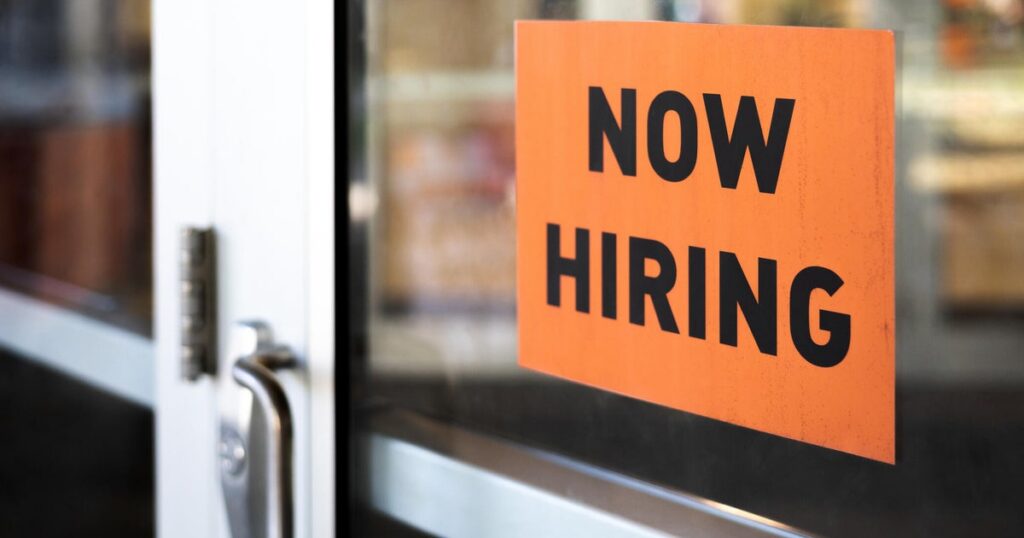
U.S. employers added 172,000 jobs in May and the unemployment rate stayed at 4.3%, signaling a resilient labor market. The strong report comes as inflation and energy prices rise, complicating the Federal Reserve’s next interest rate decision.

Financial markets are experiencing significant turbulence following a major sell-off, resulting in a $2 trillion loss in investor wealth and marking the largest single-day drop since 2020. This volatility is largely due to President Trump's announcement of a 10% baseline tariff on all U.S. trading partners, prompting investors to reassess their exposure to risky assets and leading to widespread market declines. The S&P 500 and Russell 2000 indices have suffered substantial losses, and the global nature of the sell-off highlights the interconnectedness of financial systems and the impact of policy decisions on international markets.
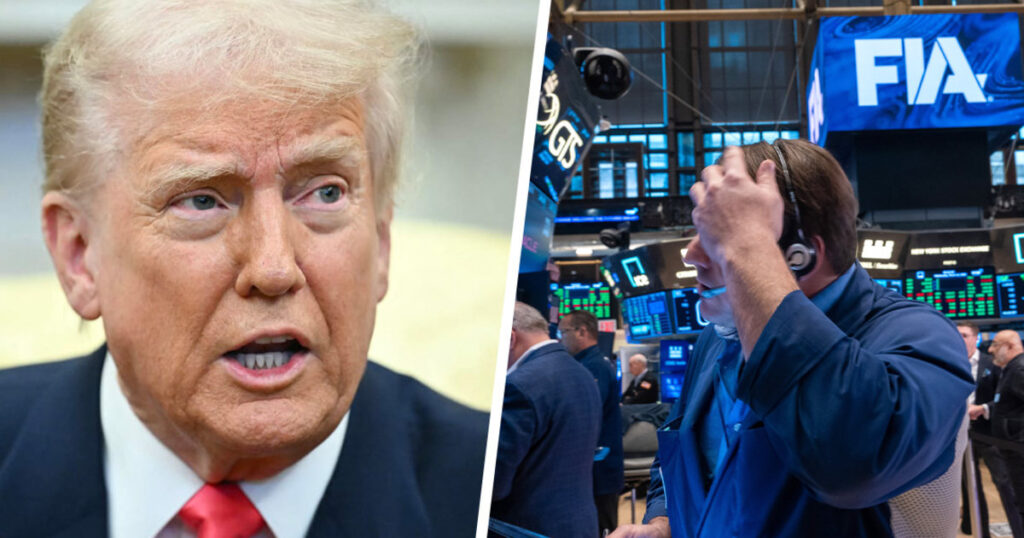
This week, financial markets faced a downturn due to economic instability, exacerbated by federal budget cuts from Elon Musk's DOGE group and the looming threat of tariffs, which have raised concerns about job market health and rising consumer costs. U.S. consumer sentiment dropped to its lowest level in over two years, with the University of Michigan's index falling to 57.9, contrary to economists' expectations of stability. The decline in sentiment is linked to uncertainty over economic policies, with the S&P 500 entering correction territory, highlighting the challenges for consumers and investors.
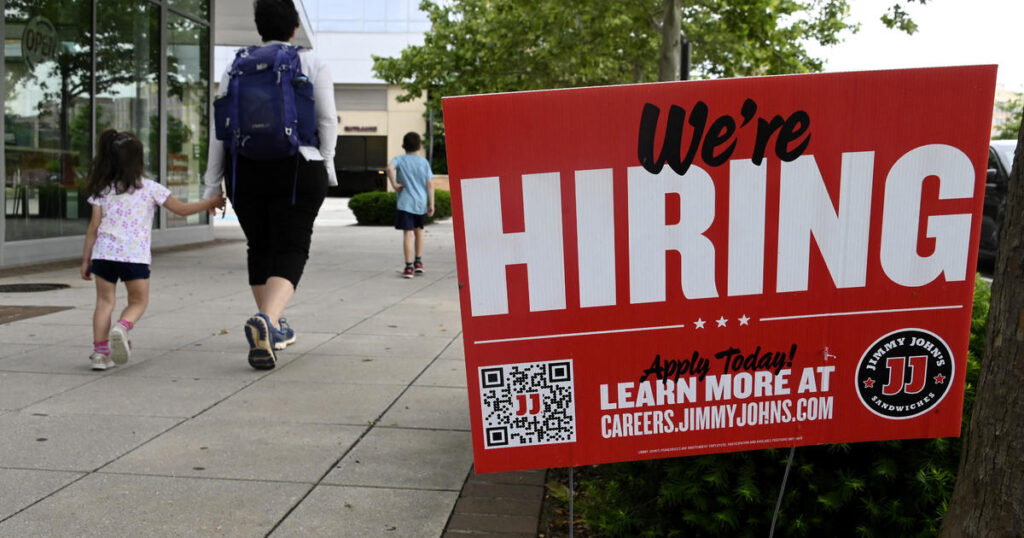
The U.S. economy added 199,000 jobs in November, exceeding expectations and signaling that businesses are still hiring despite signs of a slowing economy. The unemployment rate declined to 3.7%, the lowest rate since 1969, and average hourly earnings increased by 0.4% for the month and 4% from a year ago. The strong job growth and low unemployment rate are positive signs for the economy, but the Federal Reserve will be closely watching the data to determine the best course of action.