Key takeaways:
- Medics told the BBC two people died during the Herat protest; CBS News reported, citing the BBC and unnamed medical sources, that the dead were a woman and a child.
- Witnesses and protesters said Taliban forces used live fire, sticks and whips to disperse the crowd, while Herat police said officers acted to maintain public order.
- The protest followed reports that Taliban morality police had detained women and girls in Herat over alleged non-compliance with dress requirements, allegations Taliban officials disputed.
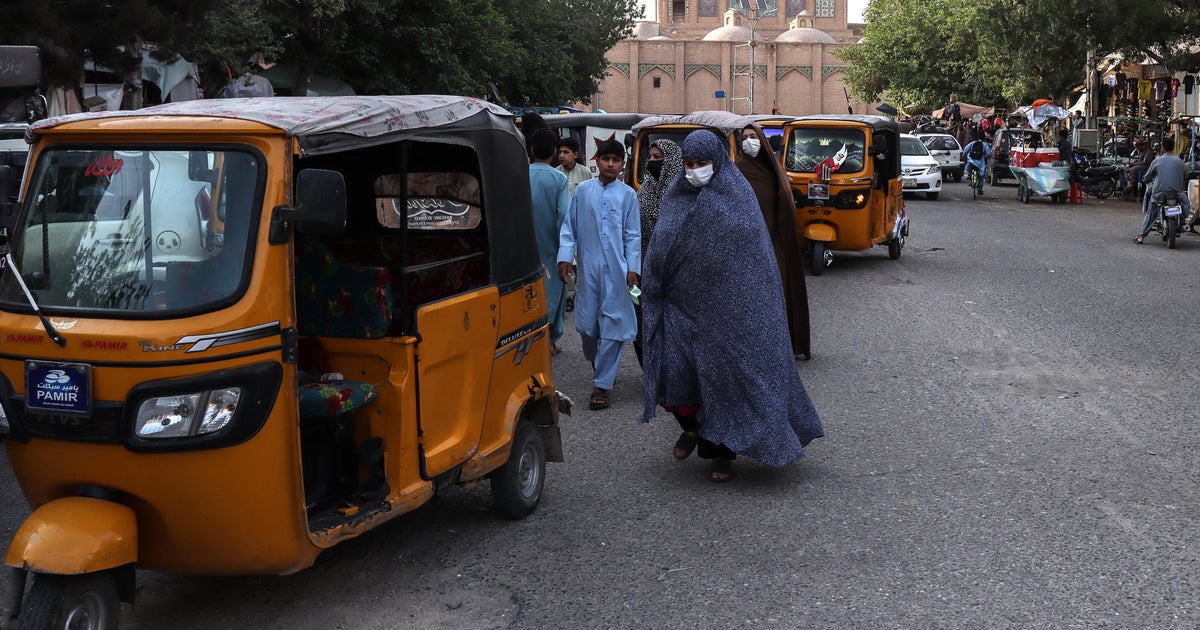
Taliban security forces used live fire Tuesday to break up a rare protest in Afghanistan’s western city of Herat, witnesses and protesters said, after men and women took to the streets over reported arrests of women accused of violating strict dress rules.
Medics told the BBC that two people died, but did not specify how. CBS News, citing its partner network the BBC and unnamed medical sources in Herat, reported that the dead were a woman and a child and that more than a dozen others were injured. A doctor at a local hospital told CBS News, on condition of anonymity because of fear of Taliban reprisals, that at least three people were admitted with gunshot wounds.
Herat police denied that civilians were injured by police shooting and denied there had been deaths. Sayed Masoud Hussaini, a police spokesman for Herat province, told CBS News that security forces were carrying out their legal responsibilities to ensure security and maintain public safety.
“Today, in the area of Jebrail, a number of people have gathered and created tension under the pretext of protesting issues related to the observance of the Hijab and opposing the Islamic Hijab, which is a divine obligation,” Hussaini said.
In comments to the BBC, Sayed Masoud Hosseini, spokesperson for the Herat Police Command, said protesters “acted in a manner that disturbed public order” and that officers had “taken action to ensure security and maintain public order.” Police did not confirm to the BBC what methods they used to disperse the crowd.
Witnesses described a violent crackdown. One protester told AFP that security forces “used sticks, whips and firearms to disperse the crowd. They even fired shots into the air.” He said he saw people wounded and added: “People are extremely frightened.” AFP also quoted a photographer who said he saw security forces “striking protesters and firing weapons in the direction of the crowd.” The photographer said, “Based on what I personally witnessed, a significant number of people were injured.” The BBC said it could not independently verify those accounts.
Videos circulating online appeared to show Taliban forces opening fire on protesters and beating them with sticks. In one clip, Taliban security personnel appeared to shoot directly at protesters, while protesters could be seen throwing stones and chanting demands for “education, work, freedom.” Gunfire could be heard in other videos, and women could be heard screaming, “don’t beat [them].”
The protest followed reports of a recent crackdown in Herat on women and girls accused of failing to comply with Taliban dress requirements, including rules requiring women to cover their hair and faces. The BBC reported that local Taliban officials had announced the latest crackdown on Friday, and eyewitnesses told BBC Afghan they had seen women arrested since Saturday for not wearing the hijab properly. One woman said markets had become “deserted,” while another said morality police were checking cars and rickshaws.
Georgette Gagnon, acting head of the U.N. mission in Afghanistan, told the Security Council on Monday that Taliban morality police had recently detained about 30 women and girls in Herat. The U.N. mission said it was concerned about “multiple arrests and detentions of women in Herat #Afghanistan for alleged non-compliance with dress requirements, which raises serious human rights concerns.”
Taliban officials have disputed those reports. Shaikh Azizulrahman, head of the morality police in Herat, denied in an audio message shared with journalists that women were being arrested over clothing rules and said all women in the province observe the Taliban dress code. The Herat Provincial Information and Culture Department also said reports of dozens of arrests were “incorrect and rumoured,” according to the BBC.
Richard Bennett, the U.N. special rapporteur on human rights in Afghanistan, said he was “alarmed by the excessive use of force against seemingly peaceful protesters in Herat today.” He added: “It’s time to defuse the tension, respect citizens’ freedom of expression — especially women and girls — and avoid further harm. Those responsible for violence must be held accountable.”
Protests against the Taliban, particularly by women, have become rare since the group returned to power in August 2021. Gagnon told the Security Council that the Taliban had stripped women and girls of basic rights, including education, employment, free movement and participation in public life. “The Taliban have even criminalized women’s voices and faces,” she said.



Be First to Comment