Afghan officials said Pakistani strikes and ground operations killed at least 36 civilians and wounded more than 160 after a deadly militant attack in Karachi. Pakistan said it targeted Jamaat-ul-Ahrar and other militant hideouts, while both governments lodged diplomatic protests.
Posts tagged as “pro-Taliban”
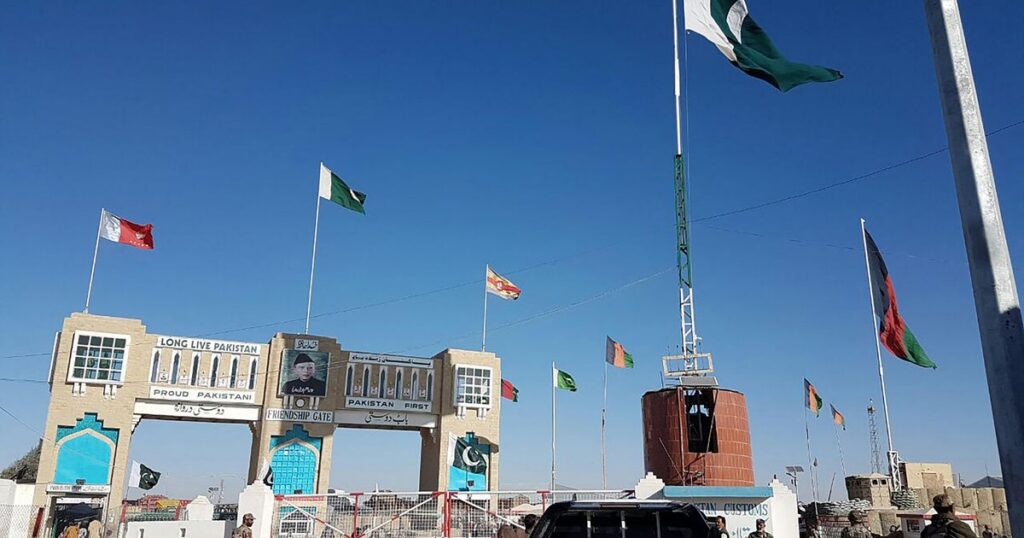
Pakistan says its forces killed 29 militants in a ground operation and precision strikes along the Afghan border. The operation followed a Karachi attack claimed by Jamaat-ul-Ahrar that killed three soldiers.
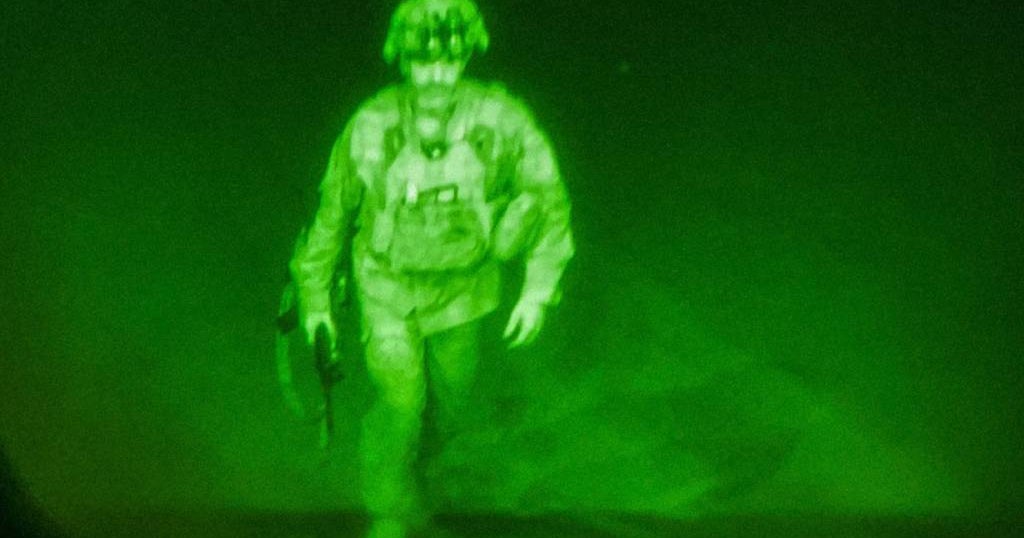
Gen. Christopher Donahue, the U.S. Army commander in Europe and Africa and the last American soldier to leave Afghanistan, will relinquish command July 2. His departure comes amid a broader turnover of senior military leaders under Defense Secretary Pete Hegseth.
Taliban officials met EU representatives and member states in Brussels for the first time to discuss consular services and returns of Afghans from Europe. Rights groups warned the talks could legitimize the Taliban and endanger deported Afghans.
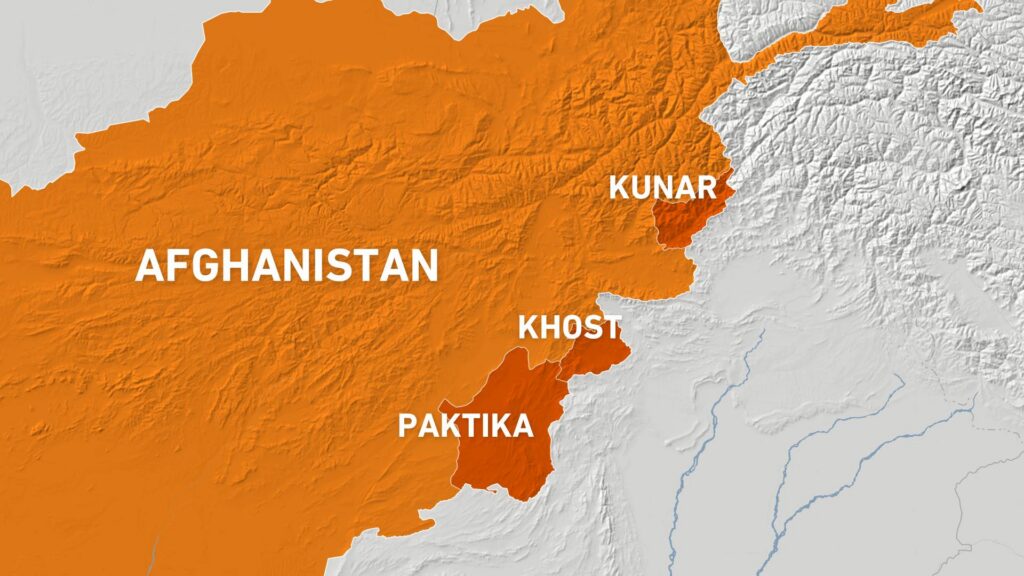
Pakistan says air strikes along the Afghan border killed 26 militants and destroyed four targets. Afghanistan’s Taliban government says the strikes killed 13 civilians, including 11 children.
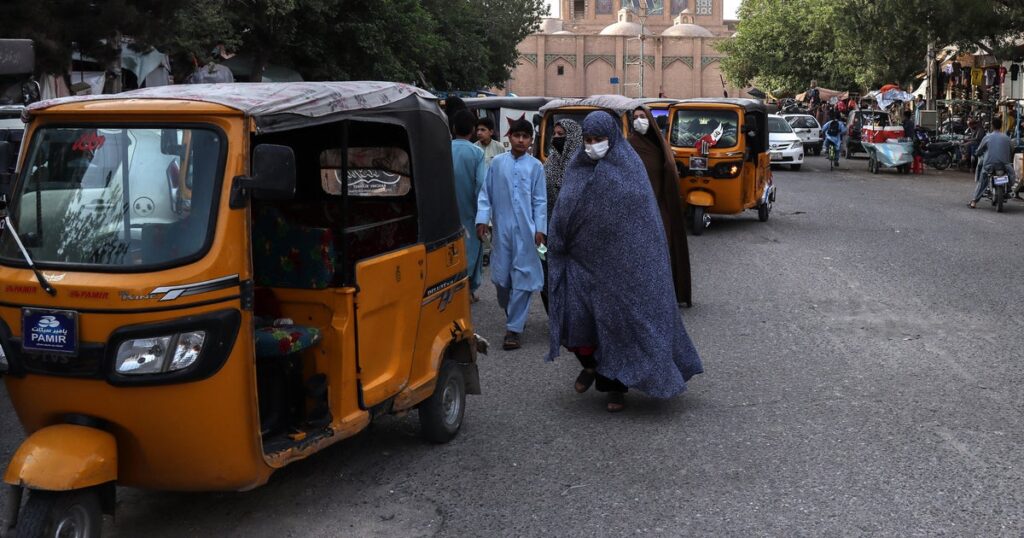
Witnesses said Taliban police used live fire, sticks and whips to disperse a rare protest in Herat over reported arrests of women accused of violating dress rules. Medics told the BBC two people died, while Herat police denied deaths and denied civilians were injured by police shooting.
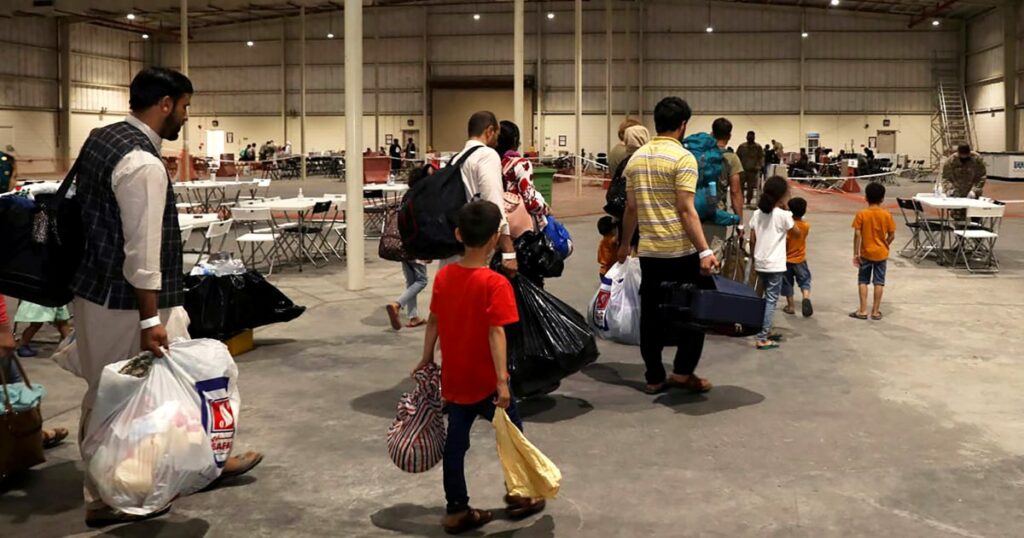
More than 1,100 Afghan refugees who supported the U.S. remain stranded at Camp As Sayliyah in Qatar, facing a March 31 deadline to relocate to an unspecified third country or return to Taliban-controlled Afghanistan, despite risks of persecution. Advocacy groups criticize the Trump administration’s handling of the situation, calling the camp a “prison camp” and expressing concerns about the refugees’ uncertain futures, while the State Department defends the closure as necessary and humane. Meanwhile, escalating tensions in the Middle East, particularly involving Iran’s unyielding stance and militia activities, complicate regional security and diplomatic efforts, highlighting the broader challenges affecting both refugees and U.S. foreign policy.

Global financial markets are experiencing significant turbulence due to investor concerns over the economic impact of tariffs imposed by the Trump administration, with U.S. stock futures and international markets showing substantial declines. The imposition of tariffs has introduced a new dynamic in international trade relations, affecting both allies and adversaries, and raising concerns about the potential unraveling of globalization. As markets and governments worldwide monitor the situation, the tariffs have the potential to significantly alter the global economy and impact the financial well-being of billions.