Key takeaways:
- US Central Command said Iran fired seven ballistic missiles toward Kuwait and Bahrain; six were intercepted and one did not reach its target.
- Bahrain said it intercepted and destroyed three missiles and several drones, while Kuwait condemned the attack as a violation of its sovereignty.
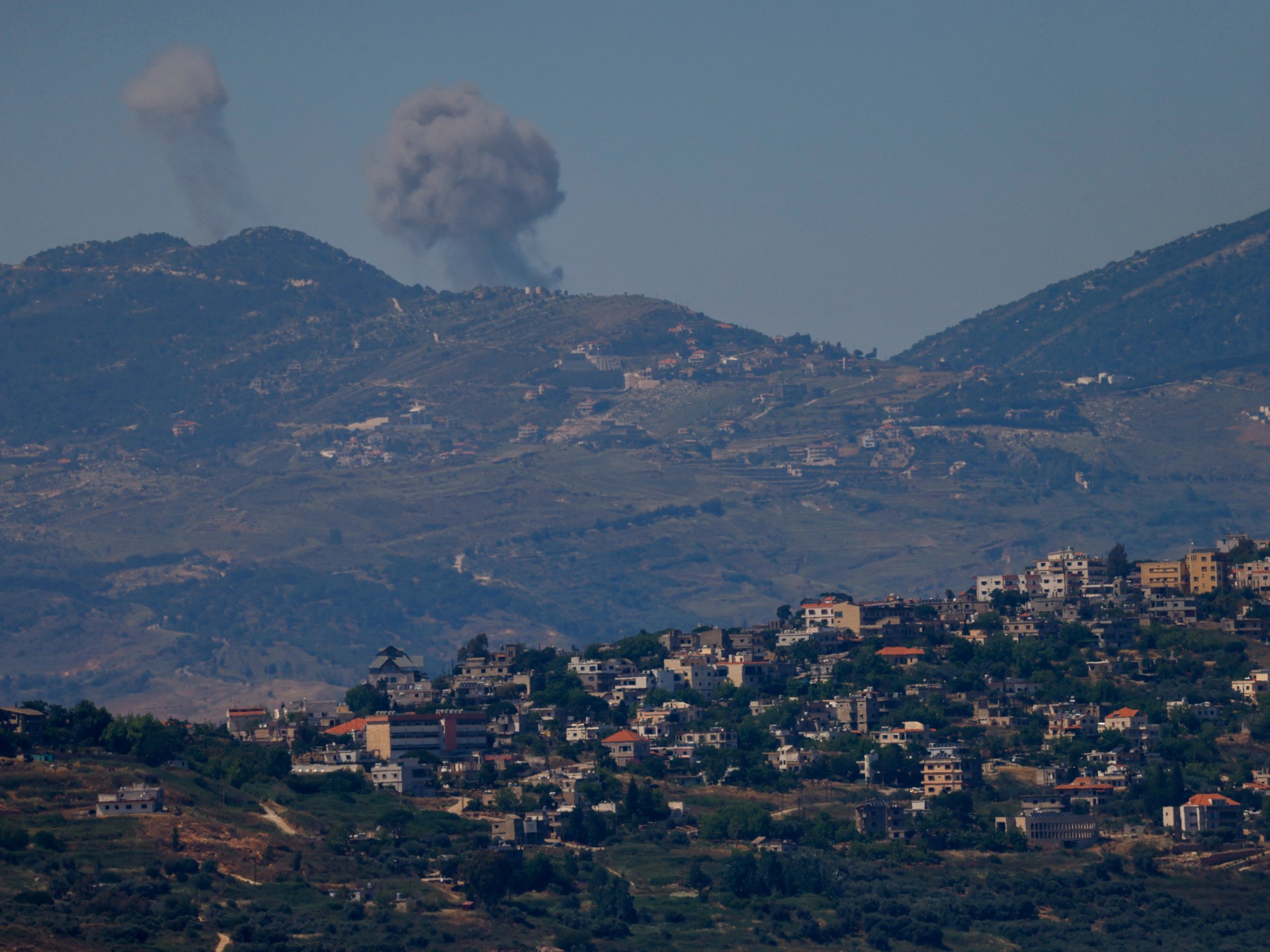
- Israeli strikes in southern Lebanon killed nine people Saturday, including three Lebanese army soldiers, according to Lebanese officials.
Iran fired missiles and drones toward Kuwait and Bahrain after a new exchange of US-Iran strikes over the Gulf, prompting air raid alerts and deepening doubts over efforts to extend a fragile ceasefire.
US Central Command said seven Iranian ballistic missiles were launched toward the two Gulf states late Friday, hours after US forces shot down four Iranian attack drones headed toward the Strait of Hormuz and struck Iranian coastal surveillance radar sites. CENTCOM said six of the missiles were intercepted and the seventh did not reach its target.
“There are currently no reports of harm to US personnel, and Iranian claims of damaging US 5th fleet headquarters in Bahrain are false,” CENTCOM said.
Bahrain said air defence systems intercepted and destroyed three missiles and a number of drones launched by Iran. Air raid sirens sounded in the country on Saturday, and residents were told to move to safe locations and await further instructions. Kuwait’s military said it was intercepting drones and missiles, while its Foreign Ministry condemned the attack as a “serious escalation” and a “flagrant violation of its sovereignty.” Al Jazeera reported the ministry also called it a “brazen assault” that showed “utter indifference” to the threat posed to civilians and regional stability.
Iran’s Islamic Revolutionary Guard Corps said it was targeting US bases in the region in response to US strikes. Iranian media said the IRGC named the Ali al-Salem airbase in Bahrain, where the US Navy’s 5th Fleet is located, as a target. The IRGC also said it fired at four tankers attempting to cross the almost closed Strait of Hormuz, according to Al Jazeera.
The latest attacks came as the United States and Iran remain locked in indirect negotiations over an interim deal to end the war. The two sides have been trying to extend the ceasefire by 60 days and begin new talks on Iran’s nuclear programme, but they remain divided. Al Jazeera reported that Iran wants sanctions waivers, access to frozen assets and an end to the US blockade on its ports, while Washington is seeking the reopening of the Strait of Hormuz and concessions on Tehran’s nuclear programme.
The fighting has disrupted global energy flows through the Strait of Hormuz, a key corridor for oil and natural gas shipments. The World Food Programme said millions of people were being pushed into hunger because of the knock-on effects of the Iran war, mainly from rising energy and food prices.
President Donald Trump said Friday that “the situation with Iran seems to be going quite well,” while acknowledging that negotiations were difficult. “There are things they never thought they’d be doing that they’re going to have to do. They’ve got no choice, and it takes a little while,” he told NBC News. Trump also said Iran still had “maybe 21, 22%” of its missiles left.
The Gulf escalation coincided with continued Israeli strikes in southern Lebanon. Lebanese officials said Israeli airstrikes killed nine people Saturday, including three Lebanese army soldiers in a vehicle. President Joseph Aoun called the strike a “flagrant violation of Lebanese sovereignty and international law.”
The Israeli military said the vehicle was moving suspiciously toward Israeli soldiers in an area where Hezbollah operated and said it would review the incident. The army’s Arabic-language spokesman, Avichay Adraee, said the vehicle was in an “active combat zone” and that movement there required coordination with Israel.
Hezbollah leader Naim Qassem rejected a US-brokered ceasefire agreed this week by the Lebanese government and Israel, saying it did not include Hezbollah or require Israel’s withdrawal from southern Lebanon. Aoun also accused Iran of using Lebanon as a bargaining chip. Iranian Foreign Minister Abbas Araghchi rejected that claim, writing on X: “Had Lebanon been a bargaining chip for Iran, we’d have a deal long ago. Save Lebanon from your real foe, Mr President.”








Be First to Comment