Key takeaways:
- The House passed the Iran war powers resolution 215 to 208, with four Republicans joining Democrats.
- Trump called the vote “meaningless” and said it came during “final negotiations” to end the war with Iran.
- The resolution faces long odds in the Republican-controlled Senate and would likely face a Trump veto if passed.
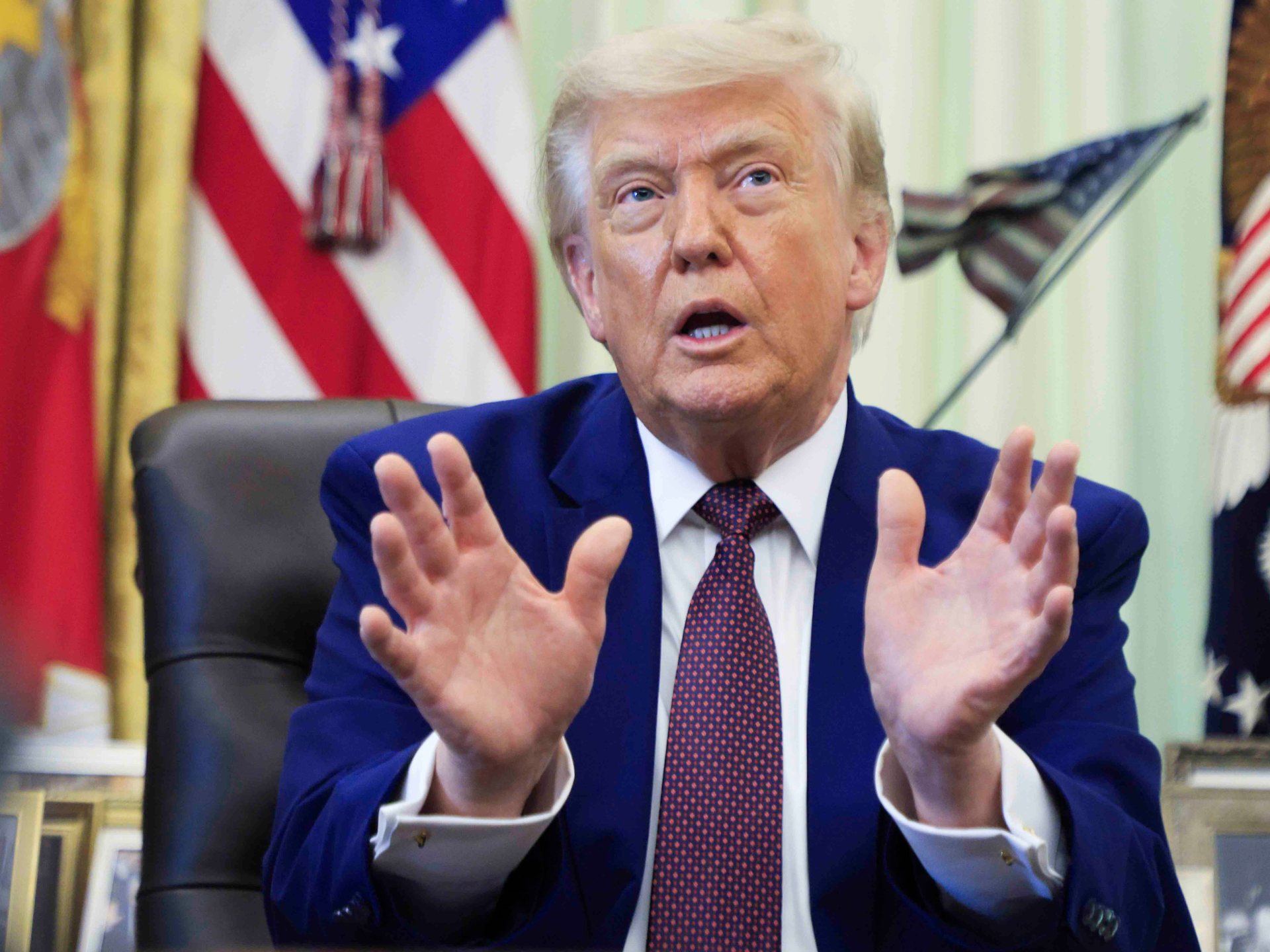
President Donald Trump lashed out at four House Republicans who joined Democrats to approve a resolution aimed at forcing him to withdraw U.S. troops from hostilities with Iran, calling the vote “meaningless” and “unpatriotic” as his administration seeks a deal to end the three-month-old conflict.
The Republican-led House voted 215 to 208 on Wednesday for the war powers resolution, which directs Trump to pull U.S. forces from Iran unless Congress declares war or authorizes the use of military force. The measure had previously failed three times in the chamber, Al Jazeera reported.
Four Republicans voted with Democrats: Thomas Massie of Kentucky, Tom Barrett of Michigan, Warren Davidson of Ohio and Brian Fitzpatrick of Pennsylvania.
“Yesterday, in a meaningless vote, the House voted, 4 bad Republicans and all of the Dumocrats, to limit my War Powers, right in the middle of my final negotiations to end the War with the Islamic Republic of Iran,” Trump wrote Thursday on Truth Social, using a misspelling to mock Democrats. “Who would do such an unpatriotic thing. They know where the negotiations stand.”
Trump added: “The four Republicans, that’s a whole other story – They’re GRANDSTANDERS! They should be ashamed of themselves.”
The vote marked the first time either chamber of Congress has passed such a measure since the U.S. and Israel began launching attacks on Iran on Feb. 28, according to The Guardian. The Trump administration has said U.S. actions are now “completely defensive” strikes, while Trump’s own post described “final negotiations to end the War with the Islamic Republic of Iran.”
Efforts to reach a lasting ceasefire with Iran have moved unevenly, Al Jazeera reported, with the administration alternating between military pressure and statements that a diplomatic breakthrough is near. Trump said Wednesday that a deal could come by this weekend. Key issues include Iran’s nuclear program and control of the Strait of Hormuz, a major waterway.
The resolution faces steep odds. It would have to pass the Republican-controlled Senate, where Republicans hold 53 of 100 seats, and Trump is widely expected to veto it if it reaches his desk. Overriding a veto would require two-thirds support in both chambers.
Still, supporters of the measure urged senators to act. David Janovsky, acting director of The Constitution Project, said in a statement that “the sole authority to declare war rests with Congress.”
“Three months ago, the president illegally began this war,” Janovsky said. “Now, it’s time for the Senate to finish what the House started and vote to end it.”
Jamal Abdi, president of the National Iranian American Council, said the “political window for this war is narrowing quickly,” arguing that lawmakers are hearing from Americans opposed to the conflict and frustrated by rising costs.
The war has had economic consequences. The Guardian reported that AAA put the national average gas price close to $4.24 per gallon, with prices near $6 in California. The Strait of Hormuz, through which roughly 20% of the world’s oil normally flows, remains effectively closed, according to The Guardian.
A May Economist/YouGov survey found 59% of Americans disapproved of Trump’s handling of Iran, while 31% approved, The Guardian reported. About two-thirds of Americans told Reuters/Ipsos that rising gas prices had hurt their household finances, and Moody’s Analytics estimated the conflict has cost U.S. households about $100 billion in aggregate through higher energy costs, according to The Guardian.








Be First to Comment