
Sony says new PlayStation games will no longer be released on discs starting in January 2028, with retailers selling digital codes instead. The company says the move follows consumer trends, while critics warn it could hurt resale, lending and preservation.
Posts tagged as “AAA”
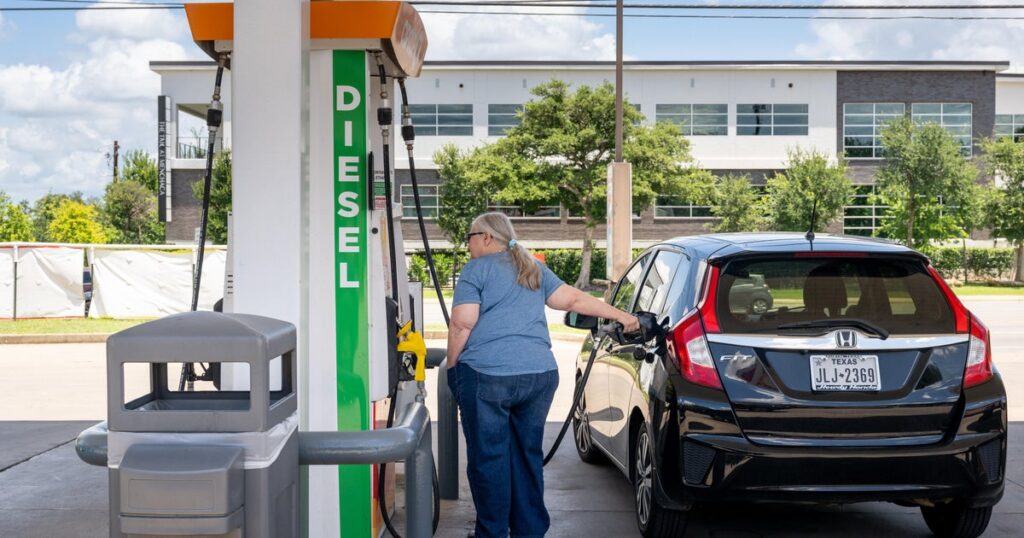
The national average price for regular gasoline fell below $4 a gallon for the first time since March after a preliminary U.S.-Iran agreement to end the war and reopen the Strait of Hormuz. Prices remain well above prewar levels, and experts warn broader cost pressures may persist.

Oil prices dropped after Trump announced an initial US-Iran deal to reopen the Strait of Hormuz, but shipping, insurance and mine-clearing hurdles could delay a return to normal. Analysts warn energy, fertiliser and consumer prices may remain under pressure for months.
U.S. consumer prices rose 4.2% in May from a year earlier, the fastest increase since April 2023. Energy costs, especially gasoline, drove much of the rise as conflict disrupted oil shipping through the Strait of Hormuz.
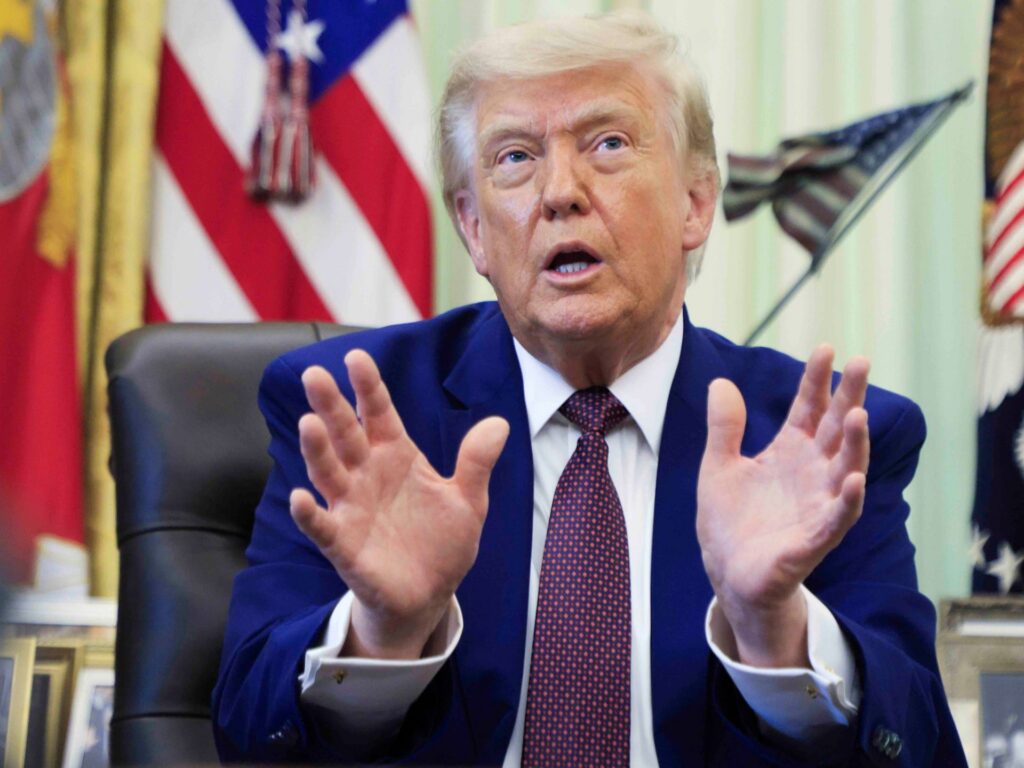
The House voted 215-208 to approve a war powers resolution aimed at forcing President Donald Trump to withdraw U.S. forces from Iran unless Congress authorizes the conflict. Trump denounced the four Republicans who joined Democrats as “GRANDSTANDERS” and called the vote “unpatriotic.”
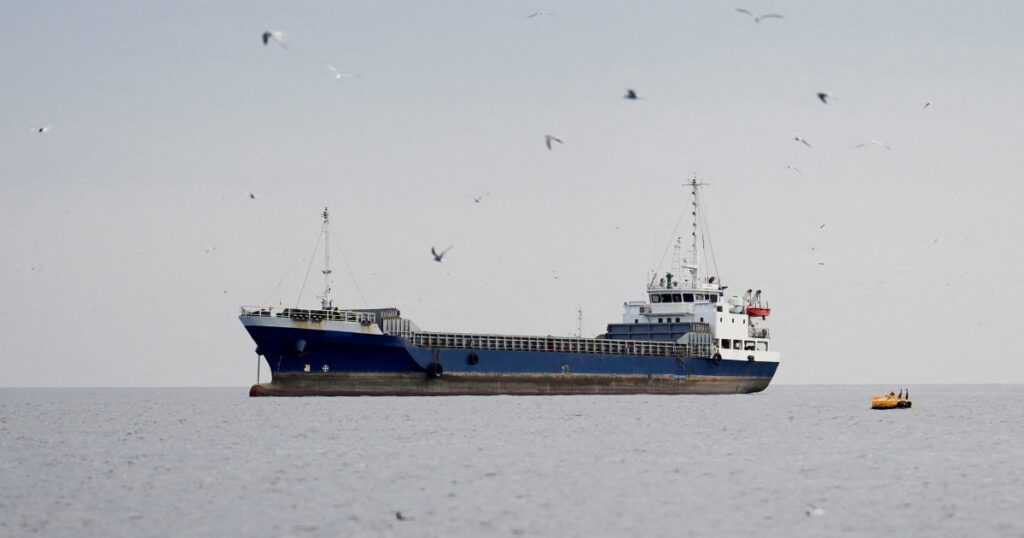
Oil prices fell sharply after Iran declared the Strait of Hormuz open amid a Middle East ceasefire, easing fears of supply disruptions. The announcement boosted global stock markets and lowered U.S. gasoline prices, though uncertainties remain about shipping security and ongoing U.S.-Iran tensions.
A ceasefire between the U.S. and Iran has eased tensions but gas prices remain high amid uncertainty over the Strait of Hormuz. Experts say any relief at the pump could take weeks and may reverse if the truce falters.
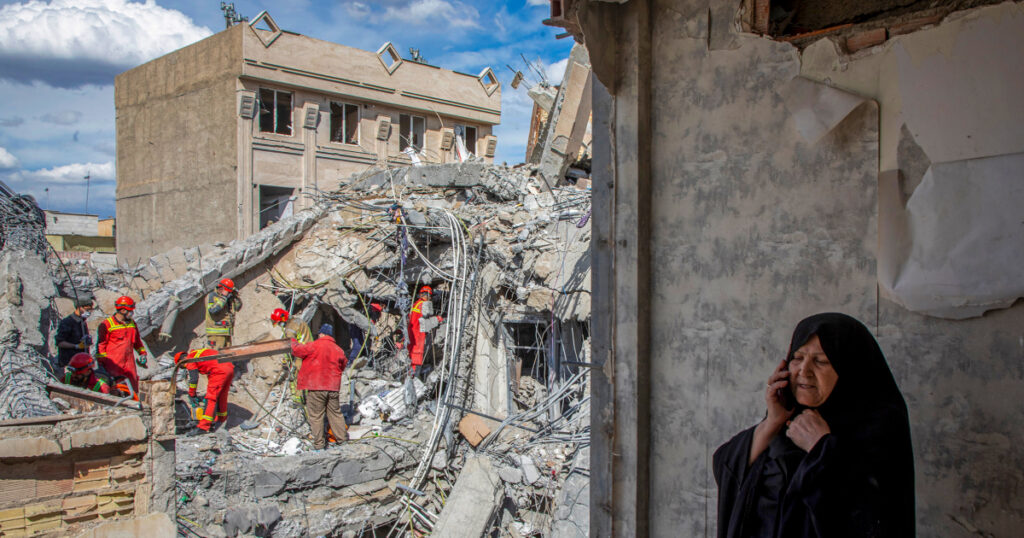
U.S. gasoline prices have surged past $4 per gallon due to disruptions in global oil supplies caused by the Iran conflict and the effective closure of the Strait of Hormuz. President Trump plans a prime-time address to update on the situation, promising a resolution soon and a return to lower fuel prices, though experts warn prices may rise further in the short term. Meanwhile, Trump's threats to target Iranian civilian infrastructure have drawn condemnation from legal experts who warn such actions could constitute war crimes, amid ongoing regional casualties and accusations against all involved parties.