Key takeaways:
- Todd Blanche told House lawmakers the Justice Department is “not moving forward” with the $1.8 billion fund and said the decision is permanent.
- The fund stemmed from a settlement in which Trump agreed to drop a $10 billion lawsuit against the IRS over his leaked tax returns.
- Blanche said the rest of the IRS settlement remains in place, including a provision barring audits of Trump and his co-defendants’ past tax returns.
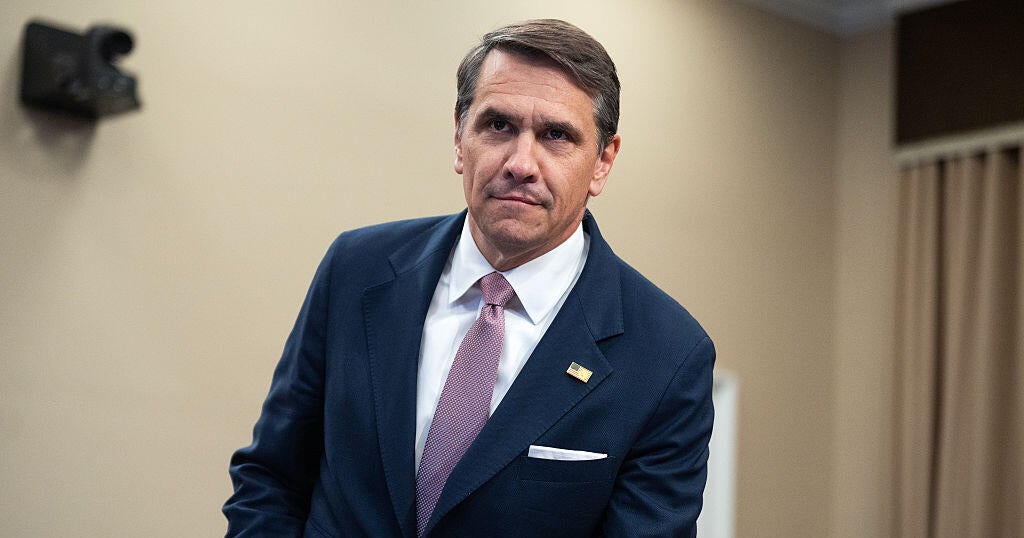
Acting Attorney General Todd Blanche told lawmakers Tuesday that the Justice Department will abandon a $1.8 billion “anti-weaponization” fund that had drawn bipartisan criticism and threatened to stall Republican priorities in Congress.
“We are not moving forward with the fund, period,” Blanche said during a House Appropriations Committee hearing. Asked by Democratic Rep. Grace Meng of New York whether that meant “not moving forward ever,” Blanche replied, “Correct.” When Meng asked if he would put the commitment in writing, Blanche said it would be reflected in the hearing transcript.
Blanche said the decision would stand even after a federal court order temporarily blocking the fund expires on June 12. The Justice Department had announced Monday that it would comply with the court ruling pausing the program.
The fund grew out of a settlement announced last month between the IRS and President Donald Trump, along with Donald Trump Jr., Eric Trump and the Trump Organization. Trump agreed in May to drop a $10 billion lawsuit against the IRS over his leaked tax returns in exchange for creating the nearly $1.8 billion fund, which was intended to provide payments to people who said they were unfairly targeted by the government.
A range of potential claimants had emerged since the settlement was announced, including some pardoned Jan. 6 defendants and former Trump lawyer Michael Cohen, NBC News reported.
Blanche defended the rationale behind the proposal even as he said it was being scrapped. “The reasons for the fund is something that President Trump talked about for a long time, which is the fact that there were a lot of people in this country who had their government weaponized against them,” he said. “The reasons for the fund, I think, remain as important as they were before, but we are not moving forward with the fund.”
The proposal faced fierce opposition from Democrats and growing concern among Republicans, including over the possibility that people convicted in connection with violence during the Jan. 6, 2021, attack on the U.S. Capitol could receive taxpayer-funded payouts. Republicans also raised concerns about oversight and the political effect of the fund as they tried to advance legislation funding Trump’s immigration enforcement agencies.
Democratic Rep. Rosa DeLauro of Connecticut criticized the proposal as a “slush fund to pay out violent criminals who pleaded guilty to assaulting police officers” during the Capitol attack and called it a “corrupt payout scheme for the president and his allies.”
Senate Majority Leader John Thune said before Blanche’s testimony that he had spoken with the acting attorney general and expected his remarks to provide clarity. “I think his statements are going to be very definitive, very clear, and create the certainty that I hope all of our members and House members need,” Thune said. He told CBS News it was his understanding that the fund was off the table, though he added that conversations with Republican senators were continuing.
The rest of the IRS settlement remains in place, Blanche told lawmakers. That includes a provision permanently barring the IRS from auditing Trump and his co-defendants’ past tax returns. Asked by DeLauro whether that section would still stand, Blanche said the fund was the only part of the settlement the Justice Department would not enforce.
“Nothing has changed with that,” Blanche said, denying DeLauro’s characterization that the tax order would give Trump and his associates “blanket immunity” from future investigations.








Be First to Comment