Key takeaways:
- Israeli Prime Minister Benjamin Netanyahu ordered strikes on Hezbollah stronghold Dahiyeh in southern Beirut following repeated rocket and drone attacks.
- Israeli forces captured the 900-year-old Beaufort Castle in southern Lebanon, marking a significant advance and prompting expanded ground operations.
- U.S. Senator Marco Rubio proposed a plan for gradual de-escalation involving Hezbollah halting attacks in exchange for Israel refraining from further strikes in Beirut, but negotiations remain stalled.
Israeli Prime Minister Benjamin Netanyahu has ordered military strikes on the southern suburbs of Beirut, Lebanon, known as Dahiyeh, a Hezbollah stronghold, escalating the ongoing conflict between Israel and the Iran-backed militant group. The strikes follow Hezbollah’s repeated rocket and drone attacks on Israeli civilians and alleged ceasefire violations.
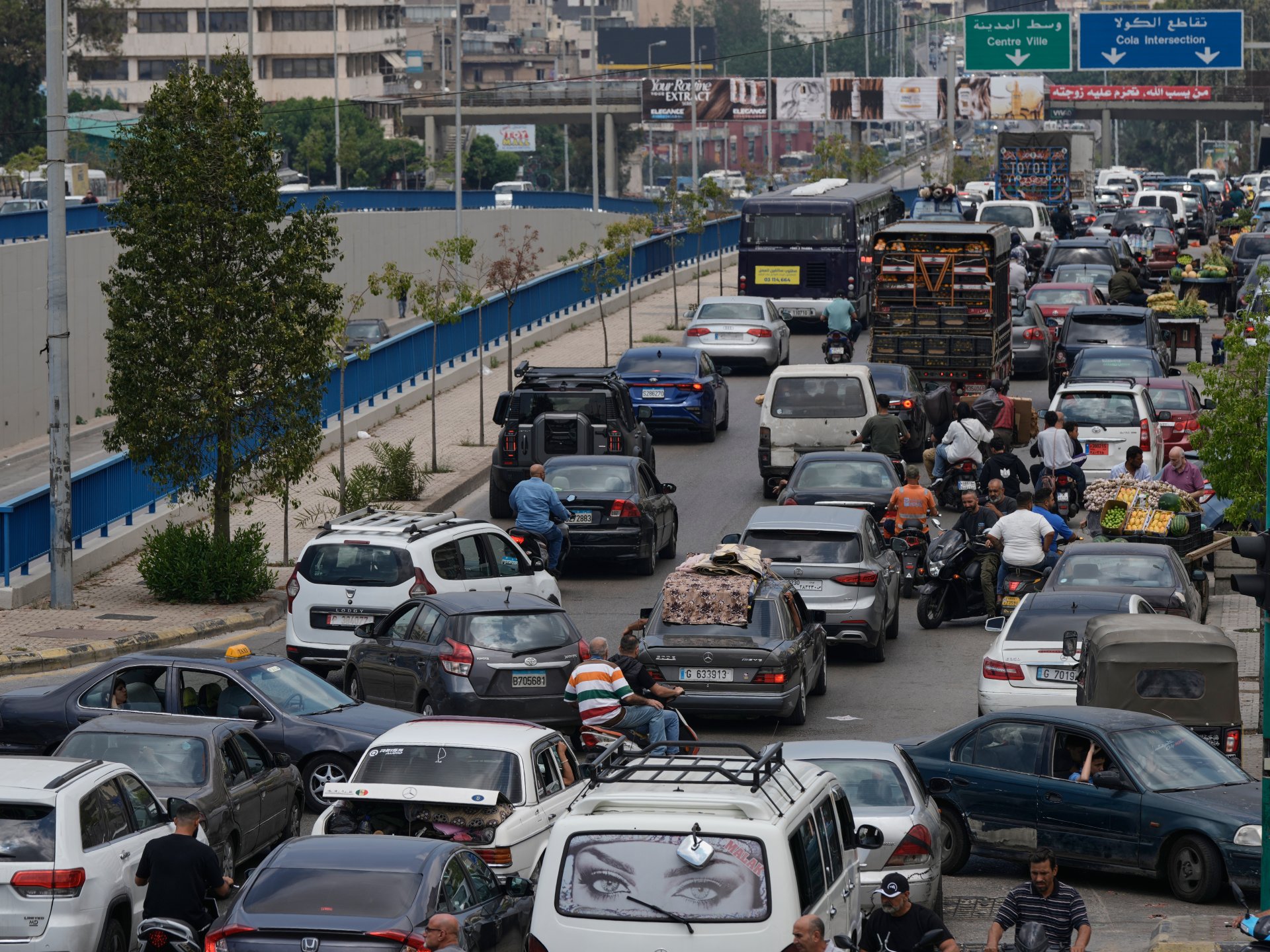
Following the announcement, thousands of families fled the southern Beirut suburbs, packing cars and leaving with whatever belongings they could carry, causing traffic jams on roads leading out of the area. Many expressed support for Hezbollah while seeking safety from the anticipated Israeli attacks. No immediate evacuation orders were issued by the Israeli military, which typically precedes aerial strikes.
The Israeli military has conducted two strikes on Beirut since a ceasefire was announced on April 16, a significant reduction compared to earlier in the conflict. However, recent developments, including Israeli forces capturing the 900-year-old Beaufort Castle in southern Lebanon after crossing the Litani River, have intensified hostilities. Netanyahu described the capture as a “dramatic shift” and ordered an expansion of ground operations to deepen Israeli control over areas previously held by Hezbollah.
Lebanese authorities report more than 3,412 people killed since the conflict began on March 2, with over 10,000 wounded. Israeli casualties include 24 soldiers and four civilians. The war has displaced over one million people in Lebanon. Hezbollah launched attacks on Israel in support of Iran as it came under U.S.-Israeli attack, prompting Israel to respond with air campaigns and ground incursions into southern Lebanon.
Diplomatic efforts to de-escalate the conflict have so far been unsuccessful. The United States has proposed a plan for “gradual de-escalation,” suggesting Hezbollah halt attacks on Israel in exchange for Israel refraining from further strikes in Beirut. U.S. Senator Marco Rubio has engaged in talks with both Netanyahu and Lebanese President Joseph Aoun to advance this proposal. However, Lebanese Parliament Speaker Nabih Berri, a Hezbollah ally, insisted Israel must stop its aggression first, despite guaranteeing Hezbollah’s commitment to a ceasefire.
A senior Lebanese government official told the BBC that Lebanon is relying on U.S. mediation to pressure Israel to curb military actions and prevent civilian casualties. The official emphasized the urgency of negotiations, stating, “We don’t have another choice. We have to go to the negotiation and put on the table that we want a ceasefire.”
Iran’s foreign ministry spokesperson Esmaeil Baghaei linked Israeli attacks in Lebanon to delays in resolving the broader U.S.-Iran conflict, reiterating that a ceasefire in Lebanon is integral to any deal. A U.S. official accused Hezbollah of following Iran’s directives without regard for Lebanese interests and said the quickest way to protect civilians is for Hezbollah to cease fire immediately.
Israel’s Defence Minister Israel Katz warned that “there would be no calm in Beirut” if Hezbollah attacks continued and vowed to establish a military-controlled zone around the Litani River area. Katz stated, “The Dahiyeh in Beirut is no different from the communities in northern Israel – if there is no calm in the north, there will be no calm in Beirut.”
International reactions have included calls for restraint and condemnation of the escalation. French President Emmanuel Macron said “nothing justifies” the Israeli offensive, while the UK Foreign Secretary Yvette Cooper urged Israel to halt military activity in Lebanon, citing erosion of diplomatic space. Qatar condemned Israel’s attacks as a serious escalation and violation of international law. Egypt’s foreign minister expressed solidarity with Lebanon and called for Israel’s withdrawal from Lebanese territory.
As the conflict intensifies, fears grow over further civilian casualties and displacement, with little indication of an imminent diplomatic breakthrough.






Be First to Comment