Key takeaways:
- The Bundibugyo strain of Ebola has caused 43 confirmed deaths and 272 confirmed cases in Congo and Uganda.
- WHO Director-General Tedros Adhanom Ghebreyesus reported five patients have recovered and emphasized community involvement in outbreak control.
- Brazil is monitoring two suspected Ebola cases but officials assess the risk of spread to South America as very low.
A growing Ebola outbreak caused by the Bundibugyo virus has resulted in at least 43 confirmed deaths across the Democratic Republic of the Congo (DRC) and Uganda, with more than 1,100 suspected cases under investigation. The World Health Organization (WHO) and the Africa Centres for Disease Control and Prevention (Africa CDC) reported 43 confirmed deaths as of Saturday, including 42 in Congo and one in Uganda. The WHO confirmed 272 cases—263 in Congo and nine in Uganda—while Africa CDC reported 263 confirmed cases and over 1,100 suspected cases still being examined.
The Bundibugyo strain is described by the WHO as a severe and often fatal form of Ebola, with no approved treatment or vaccine. The virus is believed to originate from fruit bats and spreads through contact with secretions from infected wildlife and humans, including during burial practices and inadequate infection control in healthcare settings.
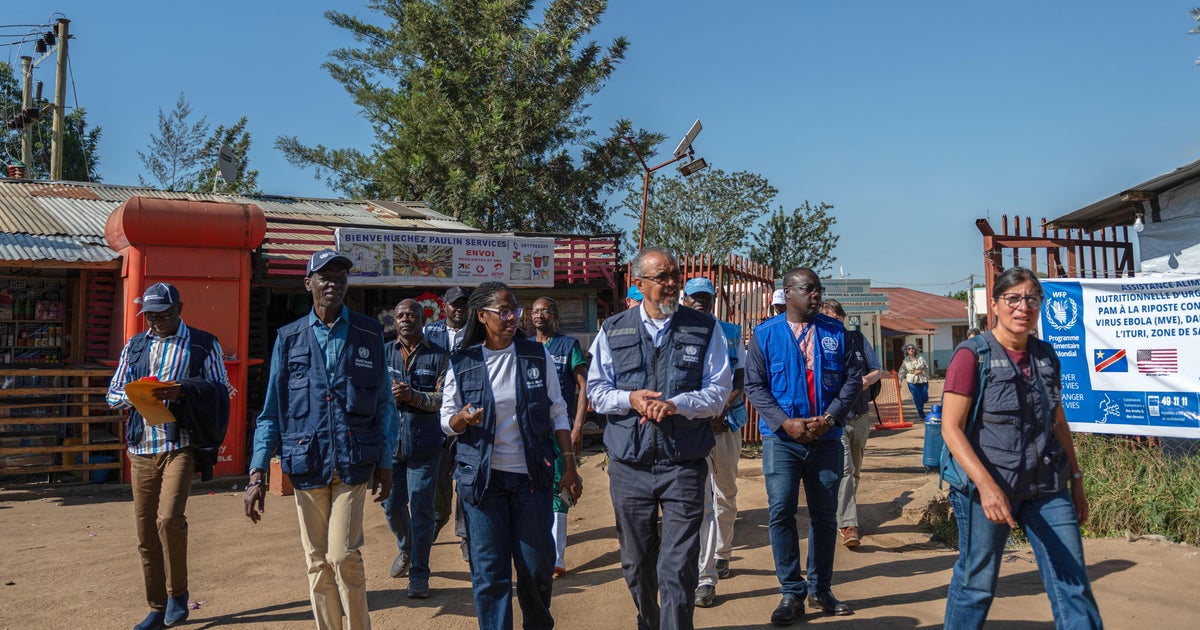
WHO Director-General Tedros Adhanom Ghebreyesus visited Bunia, the epicenter of the outbreak in Congo’s Ituri province, on Saturday. He urged communities to avoid unsafe burial practices and cautioned against travel bans and border closures, stating they “discourage transparency.” During the opening of a new Ebola treatment center in Bunia, Tedros announced that five patients had recovered from the disease, emphasizing that recovery is possible despite the lack of vaccines and treatments. “Of course, we’re still working on vaccines and treatments, but that doesn’t mean that people cannot recover from Ebola,” he said.
Congo is experiencing its 17th Ebola outbreak, and Tedros expressed confidence in the country’s ability to end it, citing its history of managing previous outbreaks.
Meanwhile, Brazilian health authorities are monitoring two patients for possible Ebola infection in Sao Paulo and Rio de Janeiro. A 37-year-old man from the DRC in Sao Paulo exhibited symptoms consistent with Ebola but initially tested negative. He remains isolated as a precaution. In Rio de Janeiro, a man from Uganda showed viral symptoms but tested positive for malaria; his case remains under investigation. The Sao Paulo government assessed the risk of Ebola spreading to Brazil and South America as very low.
The outbreak continues to spread faster than response efforts, according to Doctors Without Borders (MSF), which called for expanded testing, faster deployment of aid workers, and sustained access to medical supplies. Health workers face challenges including attacks by residents upset over strict medical protocols that conflict with local burial customs. At least three attacks on health centers have been reported.
Tedros stressed the importance of community involvement in controlling the outbreak, urging people to seek medical care early. “If you come to health facilities when you have symptoms, you can get the support and recover,” he said. “This thing is everybody’s business and every citizen should be involved.”
Security issues also complicate the response. Attacks by the Allied Democratic Forces, a rebel group allied with the Islamic State, and ethnic militias in Ituri have hindered efforts. The virus has also been reported in North Kivu and South Kivu provinces, areas controlled by the Rwanda-backed M23 rebel group, which has reported two cases.
Pierre Akilimali, Incident Manager at Congo’s National Institute of Public Health, expressed hope during the treatment center inauguration, noting that symptomatic treatment is helping patients recover. Dr. Davin Ambitapio added, “The virus here is not as complicated as those we have dealt with in the past, and with the support of all our partners, we believe we will be able to bring this outbreak under control as quickly as possible.”







Be First to Comment