Key takeaways:
- Over 3,500 LIRR workers are on strike demanding wage increases that keep pace with inflation.
- Negotiations between the MTA and unions have resumed multiple times but ended Monday without a deal.
- The MTA deployed 250 shuttle buses with 13,000 seats, but only a fraction were used during the morning rush.
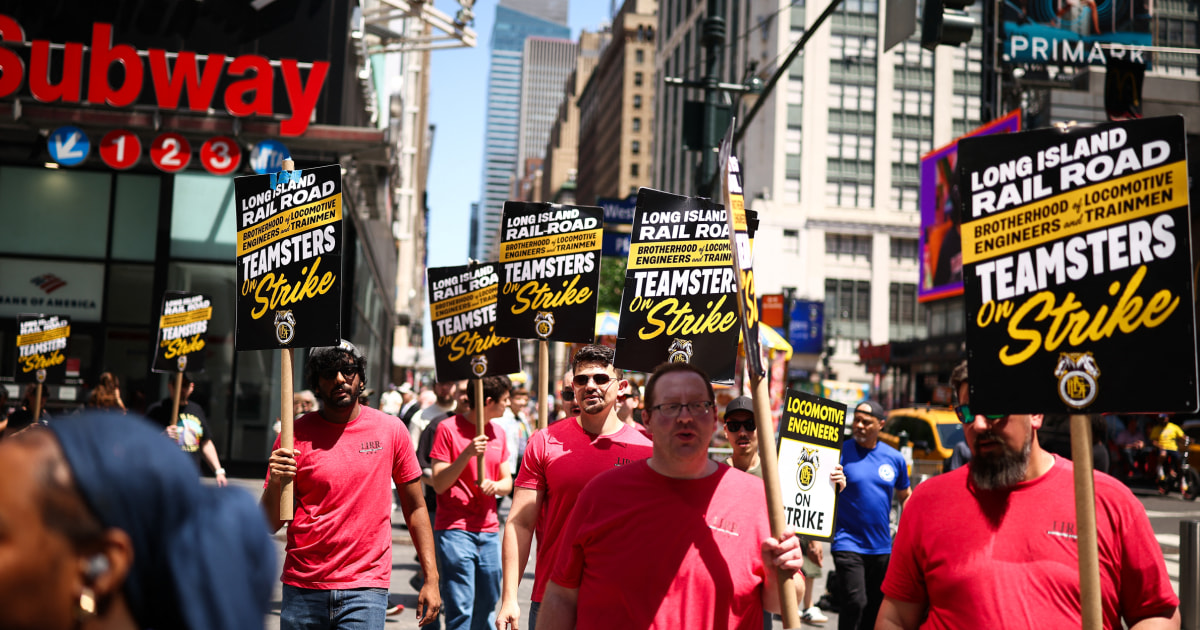
The Long Island Rail Road (LIRR) strike entered its third day Monday, leaving no clear sign of a resolution as thousands of commuters adapted to alternative travel amid the shutdown of North America’s largest commuter rail system. The strike, which began at midnight Saturday, involves over 3,500 workers demanding wage increases that keep pace with inflation. Negotiations between the Metropolitan Transportation Authority (MTA) and union representatives resumed multiple times Monday but ended without agreement.
Union leaders expressed frustration with the negotiation process. Kevin Sexton of the Brotherhood of Locomotive Engineers described the talks as “take two steps forward, and one step back,” noting repeated counteroffers. MTA lead negotiator Gary Dellaverson criticized the unions for lacking urgency, stating, “the unions have shown us that they have no sense of urgency of getting this resolved.” Union representatives dismissed this claim as “laughable.”
The strike has halted all LIRR service, which normally carries about 250,000 riders on weekdays. The MTA deployed approximately 250 shuttle buses with around 13,000 seats as a partial replacement, but only 2,159 commuters used the shuttles during the morning rush. Many commuters opted to work from home or drive into New York City. Governor Kathy Hochul urged residents to telecommute if possible and acknowledged the commute went “smoother than expected.” She also emphasized the difficulty of fully replacing LIRR service.
Commuters faced long waits and crowded conditions on substitute buses and subways. At the Ronkonkoma station, passengers boarded replacement buses with available seats, though some described the situation as inconvenient. A teacher from Copiague, Long Island, reported waking at 2 a.m. to catch a 4:30 a.m. bus to Brooklyn, calling the strike “an inconvenience.” Meanwhile, some drivers anticipated heavier traffic on major roadways, with former Department of Transportation Commissioner Sam Schwartz warning of significant congestion on the Belt Parkway and Gowanus Expressway.
The dispute centers on the final year of a four-year contract. The MTA offered 9.5% wage increases and was less than two percentage points apart from the unions on the fourth-year raise. However, union sources said the MTA unexpectedly proposed raising healthcare contributions for new hires from 2% to 10%, a move the unions oppose. Union representative Raymond Delio stated, “Health insurance should never be on the table; we work hard enough.”
MTA CEO Janno Lieber said the agency remains willing to negotiate, asserting, “We made it clear we are available if they want to come back and negotiate. They walked out and they went on strike.” Lieber also noted the unions are among the highest-paid railway workers in the U.S., earning well over six figures, and said the MTA has offered to meet them more than halfway on wages.
The strike’s economic impact is significant. New York State Comptroller Thomas DiNapoli estimated up to $61 million in lost economic activity per day due to the work stoppage. Nassau County Executive Bruce Blakeman called on Governor Hochul to suspend congestion pricing during the strike, criticizing the additional $9 charge on public roadways amid the transit disruption. Hochul responded that there is no legal mechanism to suspend congestion pricing.
Negotiators for the five striking unions—the Brotherhood of Locomotive Engineers and Trainmen, Brotherhood of Railroad Signalmen, International Association of Machinists and Aerospace Workers, International Brotherhood of Electrical Workers, and Transportation Communications Union—returned to the bargaining table Monday evening. However, union leaders warned that the current conditions could persist for some time.
Even if a deal is reached soon, experts say full LIRR service would require at least a day to resume, as inspections of tracks, equipment, and signals must be completed. The strike’s ripple effects are expected to continue, with increased subway crowding and heavier road traffic across Long Island and New York City.








Be First to Comment