Key takeaways:
- Pope Leo XIV condemned the U.S. military action in Iran, urging peace and dialogue.
- President Trump called the pope "weak on crime" and criticized his foreign policy stance.
- Trump supporters largely sided with the president, viewing the pope's comments as political interference.
A public dispute between President Donald Trump and Pope Leo XIV has intensified over the U.S. military action against Iran, highlighting a rare and sharp conflict between the leader of the world’s most powerful nation and the head of the Catholic Church. The disagreement has drawn clear lines among Trump supporters and religious leaders about the roles of political and spiritual authority in matters of war.
The conflict began after the launch of Operation Epic Fury on February 28, a joint U.S. and Israeli airstrike campaign against Iran. Pope Leo expressed “deep concern” and urged an end to the violence, emphasizing peace and dialogue. He posted on social media that “a disciple of Christ … is never on the side of those who once wielded the sword and today drop bombs,” and warned that military action would not bring freedom or peace.
Trump responded sharply, calling the pope “weak on crime and terrible on foreign policy” and accusing him of siding with Iran. On April 12, Trump posted on Truth Social that he did not want a pope who thinks it is acceptable for Iran to have nuclear weapons and criticized Leo for allegedly catering to the “Radical Left.” Trump also claimed that Leo’s election as pope was influenced by his own presidency, stating, “If I wasn’t in the White House, Leo wouldn’t be in the Vatican.”
Vice President J.D. Vance, a Catholic convert, advised the pope to “stick to matters of morality” and let the president handle public policy, though he welcomed the pope’s comments on issues like abortion and immigration. GOP House Speaker Mike Johnson defended the war under the Christian doctrine of just war, arguing that the U.S. action against Iran was defensive and aimed at preventing terrorism.
Despite the escalating rhetoric, Pope Leo said he was not trying to debate Trump and emphasized his role as a peacemaker. “I have no fear of the Trump administration,” he said, affirming his commitment to the Gospel’s message of peace. He also condemned the manipulation of religion for military and political gain.
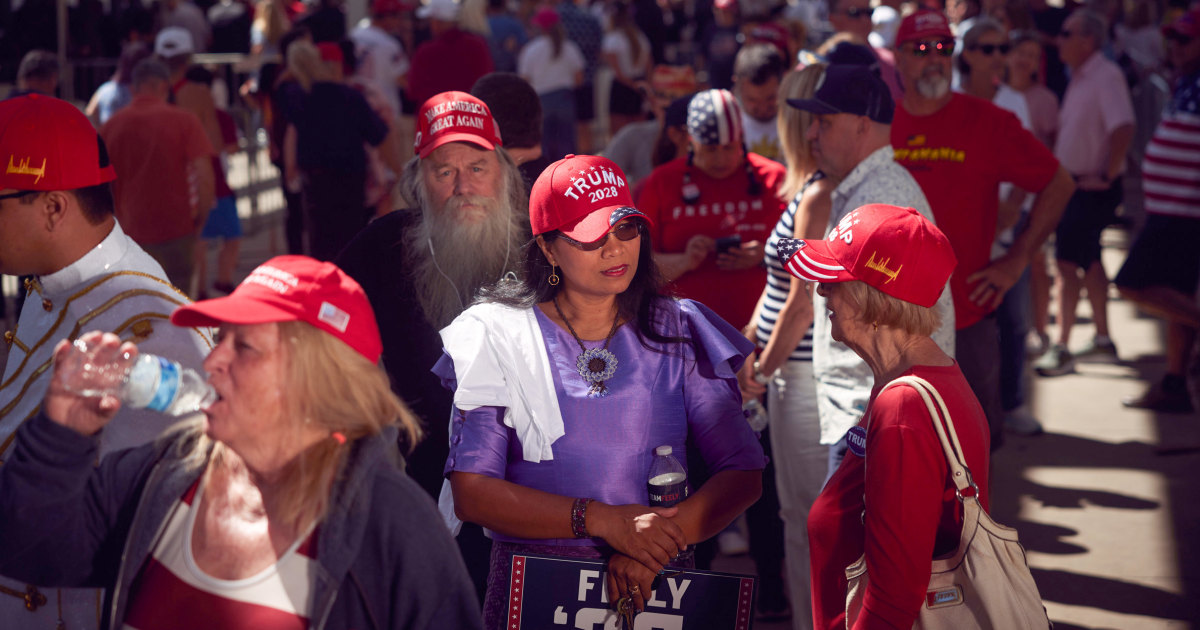
Trump supporters at his rallies in Las Vegas and Phoenix largely sided with the president, viewing the pope’s interventions as inappropriate political interference. Christopher Brandlin, a Republican candidate from Nevada, said the pope was “using more politics than he should.” Jim Brizeno, a Catholic attendee, told the pope to “stay in your lane,” while Marine Corps veteran Joshua Remmert said, “I know President Trump was blessed and given to us by God.”
Religious scholars and leaders countered that speaking on war and peace is within the church’s traditional role. John Carr of Georgetown University noted that the church has grappled with the morality of violence for centuries. Bishop Mariann Budde of the Episcopal Diocese of Washington said that war and peace are moral questions central to religious leadership.
The dispute also touched on other controversies, including an AI-generated image Trump posted depicting himself in a Christ-like manner, which he later removed. Trump denied intending to equate himself with Jesus, saying he was portrayed as a doctor.
Iranian President Masoud Pezeshkian condemned Trump’s insults toward the pope, calling them unacceptable. Meanwhile, Pope Leo sought to clarify that some of his peace statements were prepared before Trump’s criticisms and reiterated that debating the president was not his intention.
The ongoing clash underscores tensions between political leadership and religious authority amid a volatile international conflict, with both figures maintaining firm stances as the war in Iran continues.

Be First to Comment