Key takeaways:
- The USDA confirmed New World screwworm larvae in the umbilical area of a 3-week-old calf in Zavala County, Texas.
- Federal and Texas officials are creating a 12-mile infested zone, imposing quarantines and increasing border traps to contain the parasite.
- The USDA said at least 26,216 screwworm cases have been identified in Mexico, with more than 2,700 still active.
Federal officials confirmed a flesh-eating New World screwworm infestation in a Texas calf on Wednesday, marking the parasite’s arrival in U.S. cattle after months of concern that it was moving north through Mexico.
The U.S. Department of Agriculture said larvae were found in the umbilical area of a 3-week-old calf in Zavala County, Texas. The BBC reported the case was confirmed in La Pryor, about 30 miles from the U.S.-Mexico border, and described it as the first U.S. detection of New World screwworm since 1966.
The USDA said the calf is the only affected animal identified so far. Officials said they are moving to contain and eradicate the parasitic fly by creating a 12-mile “infested zone” around the detection site, imposing quarantines, increasing screwworm traps along the border and forming an Incident Command Team with the Texas Animal Health Commission.
“USDA invested heavily in the tools needed to eliminate NWS ever since cases started increasing in Central America and Mexico. The United States has defeated this pest before, and we will do it again,” said Dudley Hoskins, the USDA’s under secretary for marketing and regulatory programs.
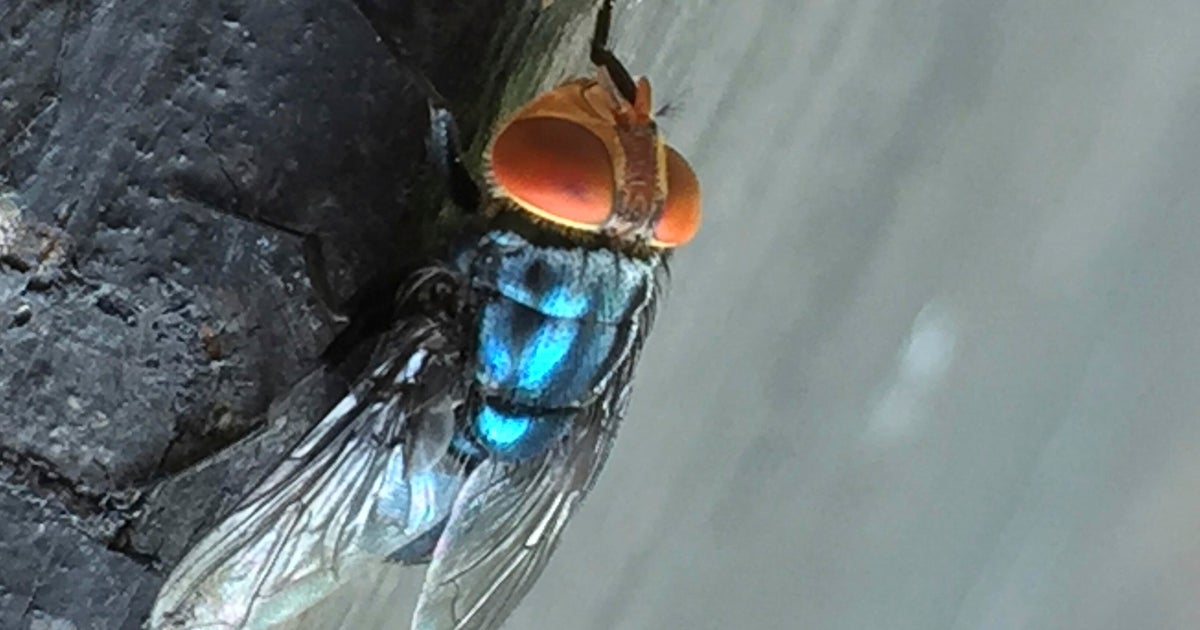
New World screwworms are parasitic flies that target warm-blooded animals. Females lay eggs in open wounds or in openings such as the eyes, ears, nose or mouth. Once the eggs hatch, the larvae feed on living tissue, using sharp mouths to burrow through flesh. If untreated, an infestation can kill the host.
The USDA and the Centers for Disease Control and Prevention say the parasite most commonly enters animals through open wounds and can infest livestock and other warm-blooded animals, including pets and, in rare cases, people. The BBC reported that the risk to humans is low and that the fly poses no food safety issue.
The detection follows a recent screwworm finding in Mexico about 25 miles from the U.S. border, which the USDA previously said was the closest encounter to U.S. soil since at least last September, according to federal data. The USDA said at least 26,216 screwworm cases have been identified across Mexico, with more than 2,700 still active.
The New World screwworm is typically found in South America and parts of the Caribbean, but the CDC says it has been detected farther north in Central America and Mexico over the past three years. The USDA has said preparations for a possible outbreak were already underway and that efforts delayed the parasite’s arrival by a year, according to the BBC.
Officials are also planning to release millions of sterile screwworm flies, the BBC reported. Female screwworm flies mate only once, so eggs laid after mating with sterile males will not be fertilized and will not hatch.
Agriculture Secretary Brooke Rollins said USDA personnel had arrived in South Texas to support operations and urged livestock producers to remain vigilant, according to the BBC. But Texas Agriculture Commissioner Sid Miller criticized the federal response, telling Reuters, “Instead of using every available tool, USDA moved too slowly and relied solely on a partial solution that takes years to fully implement,” referring to sterile fly releases.
Last year, the Department of Health and Human Services announced the first confirmed New World screwworm infestation in a human in the U.S. The person recovered, and investigators found no evidence of transmission to other people or animals.









Be First to Comment