Key takeaways:
- Prime Minister Viktor Orbán has ruled Hungary since 2010, transforming it into an electoral autocracy with weakened democratic institutions.
- Opposition leader Péter Magyar’s Tisza party leads in polls, campaigning on social issues and promising regime change.
- Fidesz’s electoral system and control over key institutions pose significant challenges to opposition efforts to implement reforms.
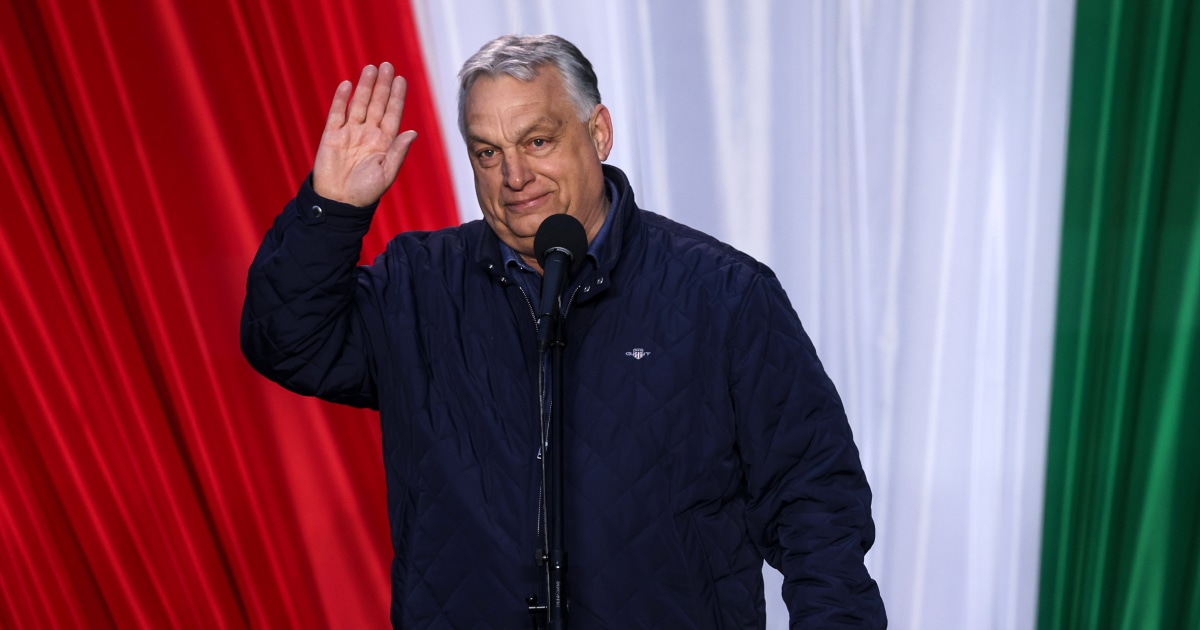
Hungary is set to hold a parliamentary election on Sunday, April 12, that could determine the future of the country and challenge the 16-year rule of Prime Minister Viktor Orbán. Orbán, Europe’s longest-serving head of state, has built an illiberal regime since his 2010 two-thirds parliamentary victory, systematically dismantling democratic institutions and reshaping the electoral system to favor his party, Fidesz. His government rewrote the constitution with minimal input from opposition parties or experts, packed public institutions with loyalists, restricted media and academic freedoms, and undermined minority rights, particularly those of the LGBTQ+ community. Observers have described Hungary under Orbán as an “electoral autocracy,” with the European Union ruling in 2022 that Hungary no longer qualifies as a democracy.
Despite these entrenched advantages, Orbán faces a serious challenge from Péter Magyar, a former Fidesz insider who now leads the center-right Tisza party. Magyar emerged as a prominent figure following a clemency scandal that led to high-profile resignations within Orbán’s government. Campaigning on bread-and-butter issues such as healthcare, education, and living standards, Magyar has gained significant support, with a Publicus poll showing Tisza at 52% among decided voters compared to Fidesz’s 39%. However, government-aligned polls have shown a narrower lead for Orbán.
The election campaign has been marked by intense political conflict, including allegations of false flag operations, wiretapping, and even a purported sex tape plot. Orbán’s campaign has focused heavily on external threats, particularly Russia’s war in Ukraine, which he opposes Western support for, arguing for a swift end to the conflict to protect Hungary’s border security and energy independence. Orbán has also targeted Ukrainian President Volodymyr Zelenskyy and revived earlier attacks on George Soros, tactics that critics say fuel antisemitism and conspiracy theories.
Magyar frames the election as a referendum on Hungary’s place in the world, contrasting Orbán’s “illiberal” path allied with Russia against reintegration with the European Union and the West. “We do not want a simple change of government, but a real regime change,” Magyar said at a rally. However, the electoral system, designed by Fidesz, remains heavily skewed. Fidesz can still secure a supermajority in parliament with less than 50% of the vote, and many key institutions remain controlled by Fidesz loyalists, including the constitutional court and the fiscal council, which can veto budget proposals.
Even if Magyar’s Tisza party wins a majority, it will face significant obstacles in dismantling the system Orbán has built. Cardinal laws require a two-thirds parliamentary majority to amend, and the current president, Tamás Sulyok, a Fidesz member, holds office until 2029 and could obstruct legislative processes. Additionally, restoring the rule of law is essential to unlock approximately €18 billion in suspended EU funds, critical for funding reforms and improving living standards.
Public opinion in Hungary is divided. Some, like Mate Khoor, a Fidesz supporter, believe Orbán’s strength will secure another victory. Others, including Anna Fetter, a young returnee from the United States, hope for change and an end to Orbán’s rule. The Organization for Security and Co-operation in Europe has raised concerns about the fairness of the election, noting the blurred lines between the state and Fidesz’s campaign and the potential misuse of emergency powers.
As Hungarians prepare to vote, the election’s outcome remains uncertain. It is not merely a question of whether voters want change, but whether the opposition can overcome a system designed to maintain Fidesz’s grip on power and whether any new government can effectively implement reforms to reverse years of authoritarian consolidation.





Be First to Comment