Key takeaways:
- U.S. gasoline prices have risen above $4 per gallon for the first time since August 2022, driven by supply disruptions from the Iran conflict and the closure of the Strait of Hormuz, a key oil transit route.
- President Trump plans a prime-time address to update on the Iran situation, promising a resolution soon and lower gas prices afterward, though experts warn prices may continue rising in the short term.
- Trump’s threats to target Iranian civilian infrastructure have drawn international condemnation, with experts labeling such actions as potential war crimes, while the conflict has caused thousands of casualties and accusations of war crimes by all involved parties.
U.S. Gasoline Prices Rise Amid Iran Conflict and President Trump’s Remarks
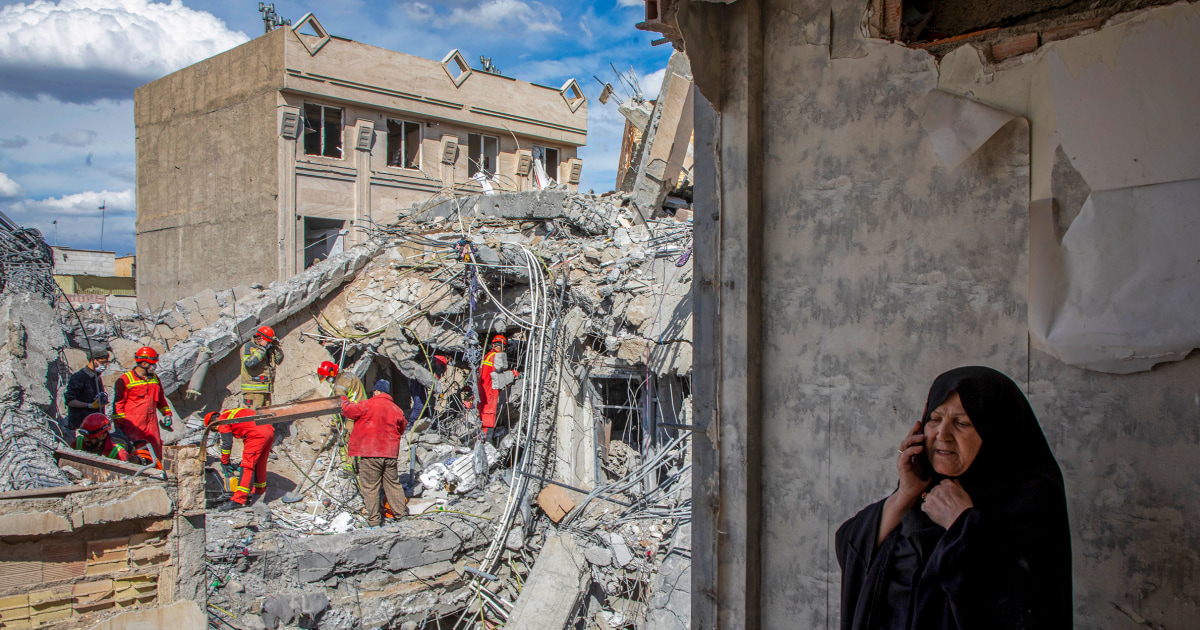
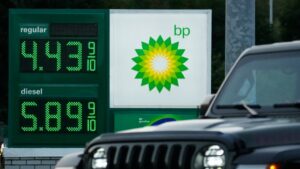
U.S. gasoline prices have continued to climb, reaching an average of $4.06 per gallon as of Tuesday, marking the first time prices have surpassed $4 since August 2022. According to AAA, this represents a 36% increase since the onset of the conflict involving Iran. The ongoing war has disrupted global oil supplies, with Brent crude oil—accounting for 51% of the cost of a gallon of gasoline—experiencing price pressures. A significant factor in the supply disruption is the effective closure of the Strait of Hormuz, a critical maritime passage through which approximately 20% of the world’s oil supply transits. Analysis by Lloyd’s List Intelligence indicates that most vessels currently navigating the strait are linked to Iran, further complicating the situation.
In response to the rising fuel costs and the broader conflict, President Donald Trump announced plans to deliver a prime-time address on Wednesday night to provide an update on the situation in Iran. White House press secretary Karoline Leavitt stated that the president aims to conclude the conflict within weeks, either through a deal or by other means. Trump told CBS News that gas prices would decrease “when we leave, when it’s over,” and Leavitt suggested that once “Operation Epic Fury” concludes, fuel prices would return to the multi-year lows experienced before the current disruptions. Despite these assurances, petroleum expert Patrick De Haan of GasBuddy predicted that prices could continue to rise in the short term, with some states potentially seeing increases and the national average possibly reaching $4.10 per gallon this week.
The conflict has also drawn international legal scrutiny following President Trump’s threats to target Iranian civilian infrastructure, including power stations and desalination plants, if Iran does not reopen the Strait of Hormuz and agree to end hostilities. Trump’s statements, made on social media platform Truth Social, warned of potential destruction of electric generating plants, oil wells, and desalination facilities as retribution for the deaths of U.S. military personnel. Tehran has denied any progress in negotiations, and the president indicated that the U.S. would consider a ceasefire only if the strait is reopened.
These threats have been met with condemnation from former U.S. officials and international law experts. Stephen J. Rapp, who served as U.S. ambassador-at-large for war crimes issues, described the threats as potentially transforming the United States into a “rogue state.” Rapp and other experts, including Kenneth Roth, former executive director of Human Rights Watch, emphasized that attacks on civilian infrastructure such as power plants and desalination facilities constitute war crimes under international humanitarian law. Roth noted that Iran’s unified electrical grid means that military and civilian sectors share power, making such attacks disproportionately harmful to civilians. The experts also highlighted that threatening to commit war crimes can itself be considered a war crime, though prosecution of threats alone is unlikely. The U.S. military has stated it operates within legal frameworks, with General Dan Caine, chairman of the Joint Chiefs of Staff, emphasizing careful consideration of civilian risks and legal issues.
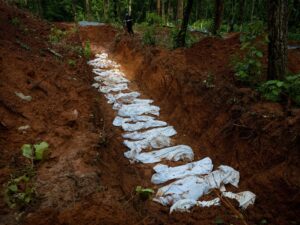
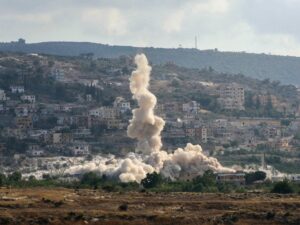
The ongoing conflict has resulted in significant casualties, with over 3,000 deaths reported across the region, including at least 1,900 in Iran due to Israeli and American strikes, more than 1,300 in Lebanon, and 19 in Israel. Human rights organizations have accused all parties involved—the U.S., Israel, and Iran—of committing possible war crimes during the month-long hostilities. The situation remains fluid as the international community watches closely, awaiting further developments following President Trump’s upcoming address.







Be First to Comment