Key takeaways:
- The Supreme Court heard arguments in Trump v. Barbara, challenging President Trump’s executive order to end birthright citizenship for children born in the U.S. to undocumented immigrants, focusing on the interpretation of the 14th Amendment’s Citizenship Clause.
- Justices expressed skepticism about the administration’s narrow reading of “subject to the jurisdiction thereof,” with concerns about legal, practical, and historical aspects, while some conservative justices showed partial support.
- The Court’s decision could significantly impact immigration policy and constitutional rights, with indications that a majority may uphold broad birthright citizenship protections under the 14th Amendment.
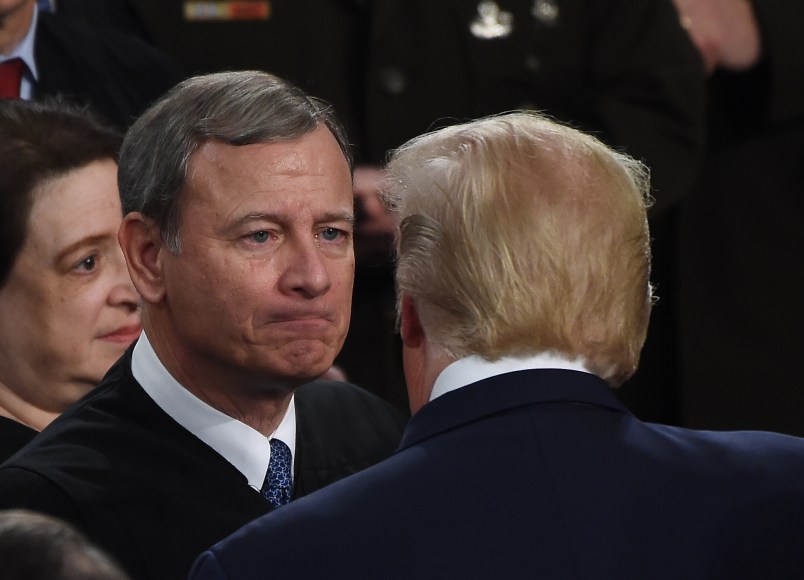
The U.S. Supreme Court on Wednesday heard arguments in a pivotal case challenging President Donald Trump’s executive order aimed at ending birthright citizenship for children born in the United States to undocumented immigrants and temporary visitors. The case, known as Trump v. Barbara, tests the longstanding interpretation of the 14th Amendment’s Citizenship Clause, which has guaranteed citizenship to nearly all individuals born on American soil for over a century. The court session marked a historic moment, as President Trump attended the arguments in person, accompanied by White House counsel and Attorney General Pam Bondi.
Solicitor General D. John Sauer represented the Trump administration, arguing that the phrase “subject to the jurisdiction thereof” in the 14th Amendment should be narrowly interpreted to exclude children born to parents who are not lawfully present or domiciled in the United States. Sauer contended that the Citizenship Clause was originally intended to apply only to those with lawful permanent residence and allegiance to the country, citing an 1898 Supreme Court decision, United States v. Wong Kim Ark, as supporting evidence. He maintained that the current broad application of birthright citizenship to children of undocumented immigrants misinterprets the amendment’s original meaning.
However, the justices expressed significant skepticism toward the administration’s argument. Chief Justice John Roberts questioned the reliance on limited exceptions, such as children of diplomats or hostile invaders, to justify excluding millions of undocumented immigrants from citizenship. He described these examples as “very quirky” and challenged how they could be expanded to cover such a large group. Justice Elena Kagan also noted that the text of the 14th Amendment does not support the administration’s narrow reading, while Justice Neil Gorsuch raised practical concerns about how “domicile” would be determined on a case-by-case basis. Justice Amy Coney Barrett questioned why the framers of the amendment did not explicitly limit citizenship to those domiciled in the country if that had been their intent.
The justices’ inquiries highlighted the complexity of the issue, with some conservative justices showing openness to aspects of the administration’s theory, while others appeared unconvinced. Justice Samuel Alito was notably supportive of the government’s position, emphasizing the challenges posed by modern illegal immigration, which he said was largely unknown at the time the 14th Amendment was adopted. Meanwhile, Justice Ketanji Brown Jackson and others raised practical questions about how the executive order would be implemented in hospitals and birth settings. Opposing counsel Cecillia Wang, representing those challenging the order, argued that birthright citizenship has been a fundamental principle aimed at fostering a growing and inclusive citizenry, even during periods of intense anti-immigrant sentiment in U.S. history.
The Supreme Court’s decision in this case could have far-reaching implications for immigration policy and the constitutional rights of children born in the United States. The justices’ questioning during Wednesday’s hearing suggested a majority may be inclined to reject the administration’s attempt to curtail birthright citizenship, reaffirming the 14th Amendment’s broad protections. The ruling is expected to clarify the legal boundaries of citizenship and the executive branch’s authority over immigration matters.







Be First to Comment