Key takeaways:
- President Trump postponed planned airstrikes on Iran’s power infrastructure for five days, citing productive talks aimed at reopening the Strait of Hormuz, despite Iran denying any negotiations.
- Trump claimed the discussions covered major points including Iran’s commitment to never develop nuclear weapons, with diplomatic efforts led by his special envoy and Jared Kushner, though details remain unclear.
- The conflict has driven up global energy prices significantly, with officials warning all military options remain open and the International Energy Agency cautioning about a potential severe energy crisis.
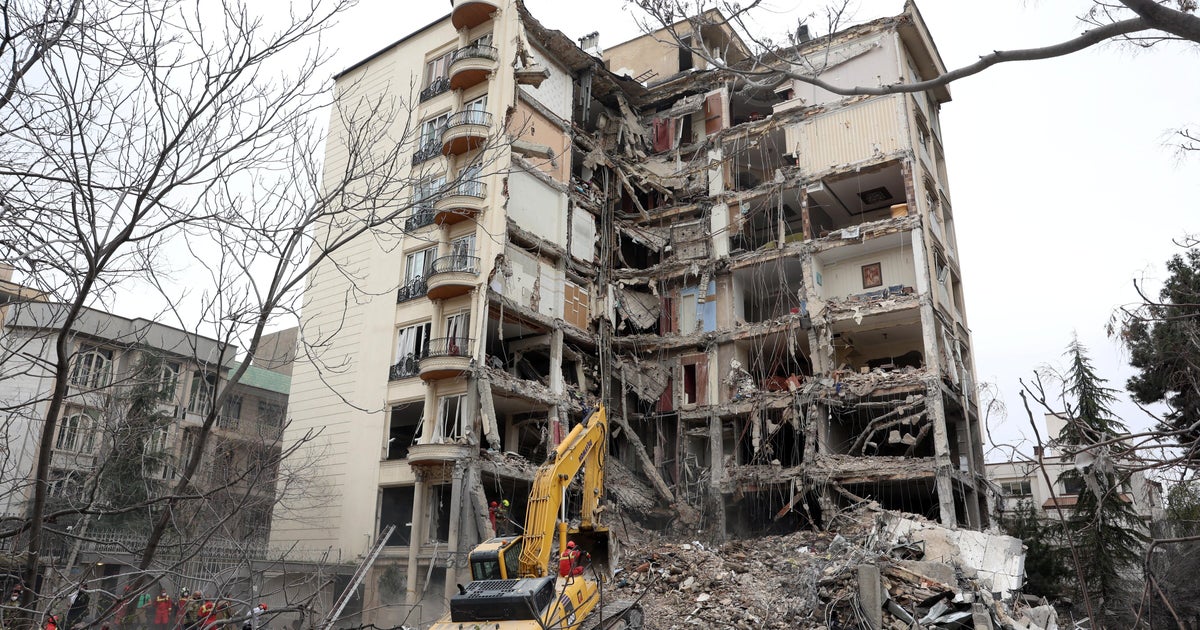
President Donald Trump announced on Monday that he is postponing planned airstrikes on Iran’s power plants and energy infrastructure for a period of five days, citing “very good and productive conversations” aimed at reopening the Strait of Hormuz. The announcement marked a significant shift from Trump’s earlier weekend threats to “hit and obliterate” Iranian power facilities if Tehran did not comply with demands to reopen the strategic waterway. The Strait of Hormuz is a critical passage through which approximately 20% of the world’s oil shipments transit, and it has been effectively closed amid ongoing hostilities.
Despite Trump’s assertion of ongoing talks, Iran’s Foreign Ministry denied any direct or indirect negotiations with the United States. A statement published by Iran’s semi-official Mehr News agency described Trump’s postponement as a tactic to reduce energy prices and buy time for military preparations. Iranian state media characterized the U.S. president’s move as a “back down” following Tehran’s warnings of swift retaliation against any attacks on its energy infrastructure. An Iranian source told state media there had been no communication with the U.S., contradicting Trump’s claim that Iran had initiated contact seeking a deal.
Speaking to reporters, Trump declined to identify the specific Iranian interlocutors involved in the discussions, citing concerns for their safety. He said the talks had covered 15 points, including a commitment by Iran to never develop nuclear weapons. Trump described the discussions as having “major points of agreement” and suggested that Israel would be supportive of any resulting deal. The president also indicated that his special envoy Steve Witkoff and son-in-law Jared Kushner were leading the diplomatic efforts. However, the details of the talks remain unclear, and experts caution that the situation could either lead to de-escalation or be a strategic pause.
The announcement came amid heightened tensions in the region, with recent Israeli strikes in Tehran and Iran’s continued control over the Strait of Hormuz. The conflict, now in its fourth week, has driven up global energy prices, with U.S. crude oil prices rising more than 70% since the start of the year and retail gasoline prices increasing by 93 cents per gallon. U.S. officials, including Ambassador to the U.N. Mike Waltz and Treasury Secretary Scott Bessent, have emphasized that all military options remain on the table. The International Energy Agency has warned that the ongoing conflict threatens to create an energy crisis surpassing those of the 1970s oil shocks and the war in Ukraine. Observers note that the coming days will be critical in determining whether the recent diplomatic overtures will lead to a lasting resolution or further escalation.





Be First to Comment