Key takeaways:
- Tensions between the U.S. and Iran have escalated over the closure of the Strait of Hormuz, with threats and military actions causing a sharp rise in global oil prices and increased regional instability.
- Iran has shifted to an offensive military posture, threatening retaliation against U.S. and Israeli infrastructure, while the U.S. and allies prepare naval support and consider targeted strikes focused on military assets.
- Experts warn military action alone may not resolve the crisis, highlighting risks to civilian infrastructure, potential humanitarian impacts, and the complexity of reopening the strategic maritime passage.
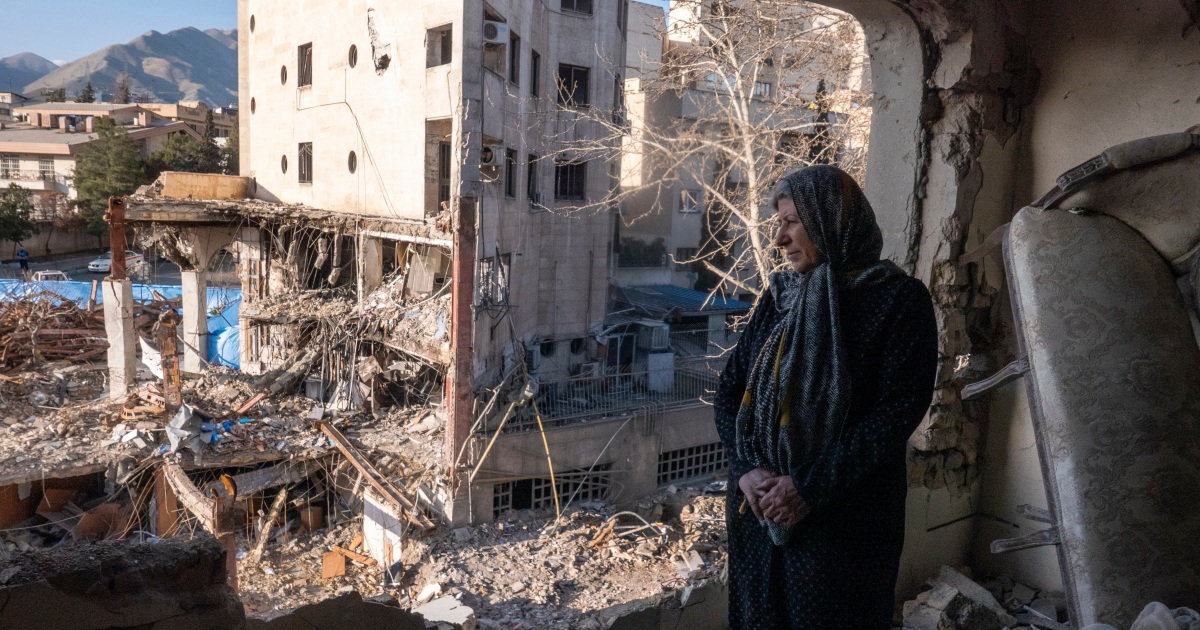
Tensions between the United States and Iran have escalated sharply following a series of threats and military actions centered on the strategic Strait of Hormuz, a critical maritime passage through which approximately 20% of the world’s oil supply transits. On March 20, 2026, U.S. President Donald Trump issued a 48-hour ultimatum demanding that Iran reopen the strait, warning via a post on Truth Social that failure to comply would result in the U.S. targeting and “obliterating” Iran’s energy infrastructure, starting with its largest power plants.
Iran responded swiftly to the ultimatum with its own warnings of retaliation. Col. Ebrahim Zolfaqari, spokesperson for Iran’s Khatam al-Anbiya military command, stated that any attacks on Iranian fuel and energy infrastructure would be met with strikes on U.S. and Israeli fuel, energy, information technology, and desalination systems in the region. Mohammad-Bagher Ghalibaf, speaker of the Iranian parliament, echoed these threats, cautioning that critical infrastructure across the region could be irreversibly damaged, leading to prolonged increases in oil prices. The Iranian military has also shifted its doctrine from defensive to offensive, signaling a readiness to escalate the conflict further.
The conflict has already seen significant military engagements, including Iranian attacks on a joint U.K.-U.S. base in the Indian Ocean and strikes on nuclear sites in both Iran and Israel. Despite these attacks, the International Atomic Energy Agency reported no abnormal radiation levels following the strikes on Iran’s Natanz nuclear facility and the Israeli nuclear site in Dimona. Meanwhile, the Strait of Hormuz remains effectively closed to much maritime traffic due to Iranian actions, causing global oil prices to surge by over 70% since the beginning of the year and retail gasoline prices in the U.S. to rise by 93 cents per gallon.
U.S. officials, including Treasury Secretary Scott Bessent and U.S. Ambassador to the United Nations Mike Waltz, have emphasized that “all options are on the table” to ensure the strait’s reopening. Waltz highlighted growing international support, with European nations such as Italy, Germany, and France, as well as Japan, pledging naval assistance to secure the passage once active combat operations conclude. However, Waltz also underscored the complexity of targeting Iran’s infrastructure, noting that the Islamic Revolutionary Guard Corps (IRGC), designated a terrorist organization by the U.S. and several European countries, controls much of Iran’s critical infrastructure and economy. He stressed that any military actions would focus on degrading Iran’s military and defense industrial capabilities, while attempting to avoid harm to civilian infrastructure.
Experts have expressed skepticism about the effectiveness of military action alone to resolve the crisis. Ross Harrison, a senior fellow at the Middle East Institute, suggested that military strikes might not succeed in reopening the strait or stabilizing oil markets, warning that insurance companies would likely refuse to cover ships transiting an active war zone. Meanwhile, analysts like Aniseh Bassiri Tabrizi of Chatham House believe Iran is unlikely to yield to U.S. pressure and may instead escalate the conflict to increase the costs for the United States and its allies.
As the conflict intensifies, concerns have been raised about the potential humanitarian impact of targeting energy infrastructure, which is often linked to civilian services such as water desalination critical to the region. The United Nations Secretary-General has cautioned that attacks on such infrastructure could constitute war crimes. In response, U.S. officials have maintained that efforts will be made to limit strikes to military targets, though they acknowledge the challenges posed by Iran’s integration of civilian and military assets.
The situation remains volatile, with both sides demonstrating a willingness to escalate military operations. The outcome of the conflict will depend on the strategic decisions of the involved parties and the international community’s response to this rapidly evolving crisis in the Middle East.


Be First to Comment