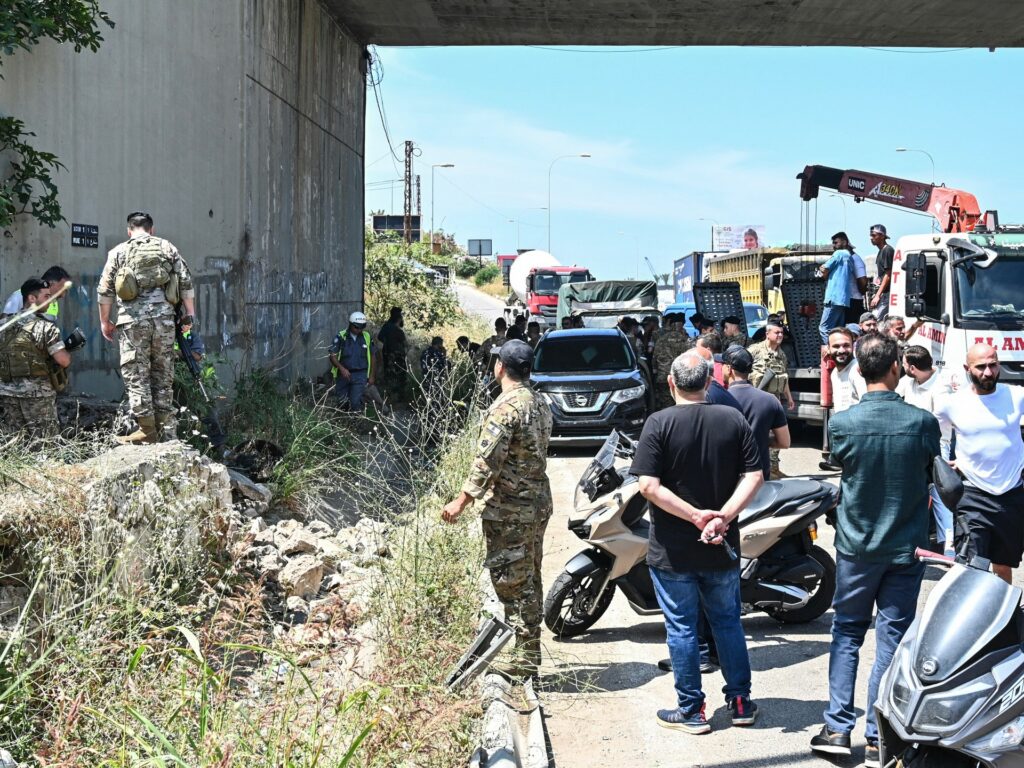
Israeli strikes killed at least nine people in Lebanon, including two paramedics and a soldier, while Hezbollah fired rockets into northern Israel. The violence strained a U.S.-mediated partial ceasefire as Israeli and Lebanese negotiators met in Washington.
Posts tagged as “The United Nations Children’s Fund”
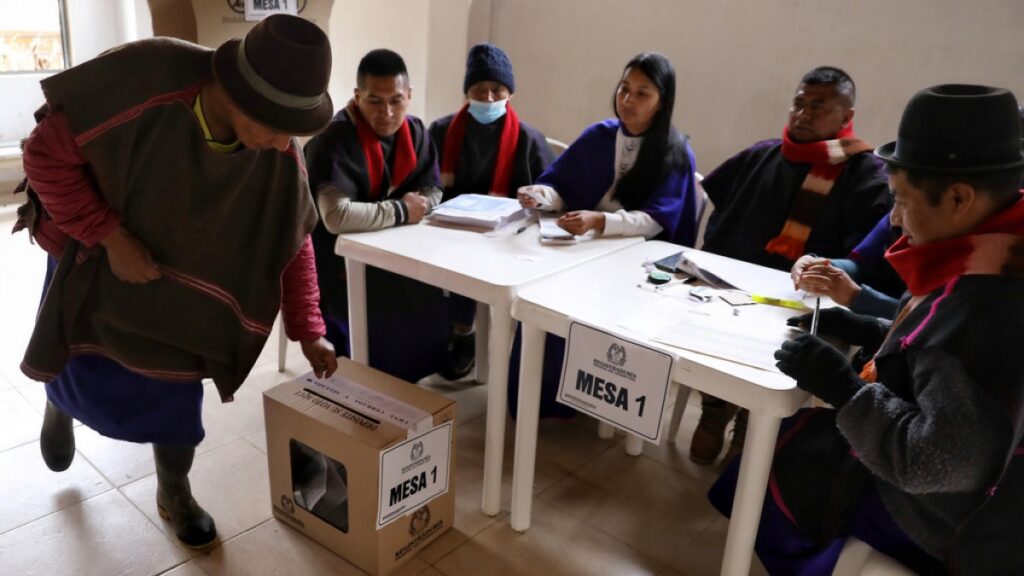
Colombians vote in a presidential election dominated by security and drug trafficking concerns. Leading candidates include government-allied Senator Iván Cepeda and right-wing businessman Abelardo de la Espriella, with a runoff expected.
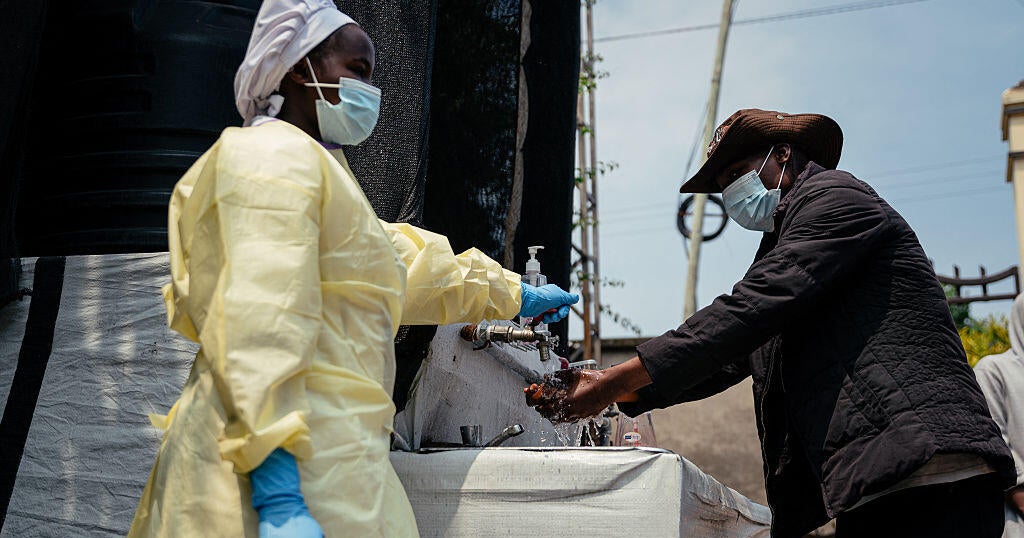
The Ebola outbreak in Congo and Uganda involves the rare Bundibugyo virus, with nearly 500 suspected cases and no approved vaccines or treatments. Health officials emphasize supportive care as the primary response.
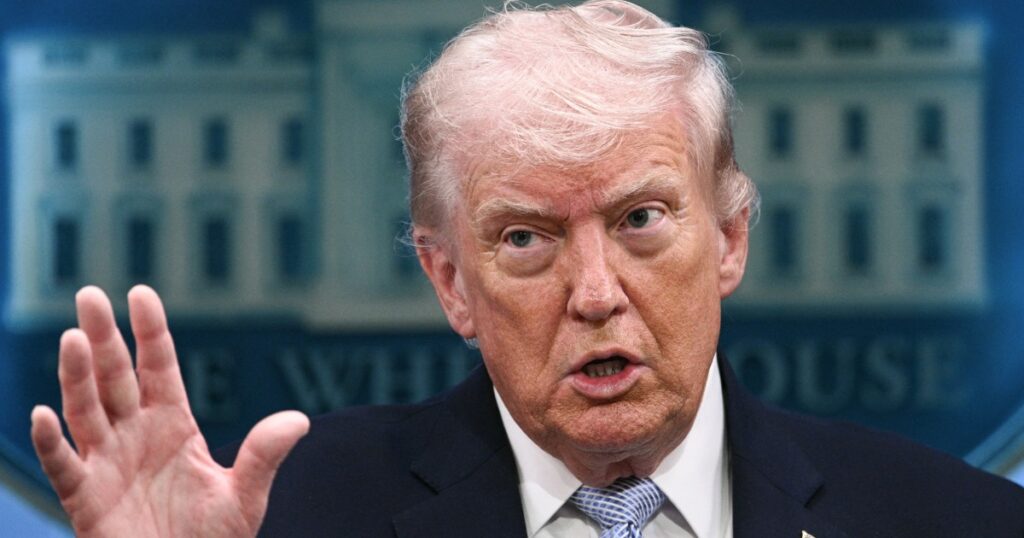
President Trump’s threat to destroy "a whole civilization" in Iran prompts over 70 Democrats to call for his removal from office via the 25th Amendment or impeachment. Some Republicans express concern, but most remain silent. Trump later announces a two-week ceasefire contingent on Iran reopening the Strait of Hormuz.
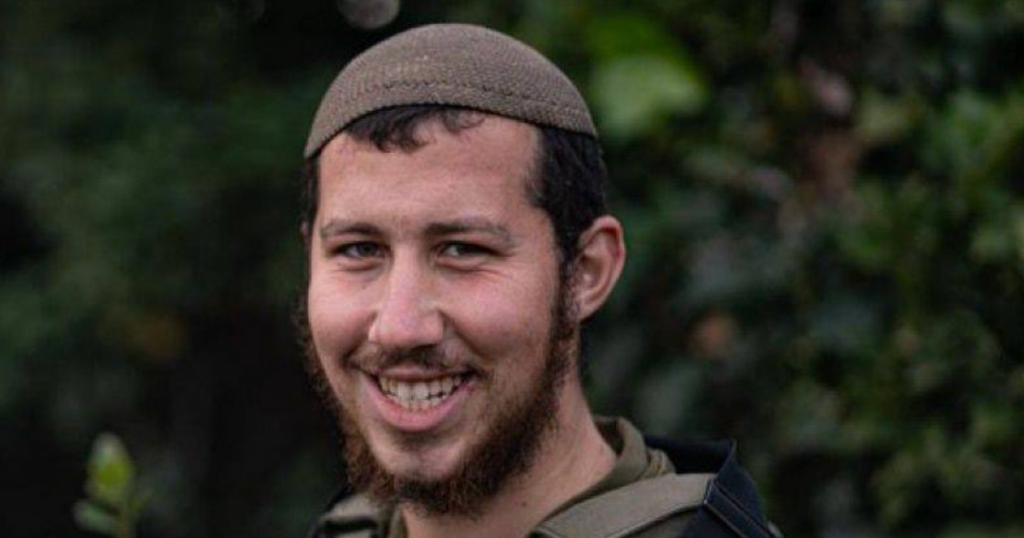
An American-born Israeli soldier, Sgt. Moshe Yitzchak Hacohen Katz, was killed in combat in southern Lebanon amid ongoing hostilities between Israel and Hezbollah, with details of his death undisclosed. The conflict, which has caused nearly 1,200 deaths in Lebanon and significant displacement of over one million people, has intensified as Israel expands its military campaign to establish a security zone along the border. Humanitarian concerns have been raised by the UN and aid organizations, urging a ceasefire to prevent further escalation and suffering.
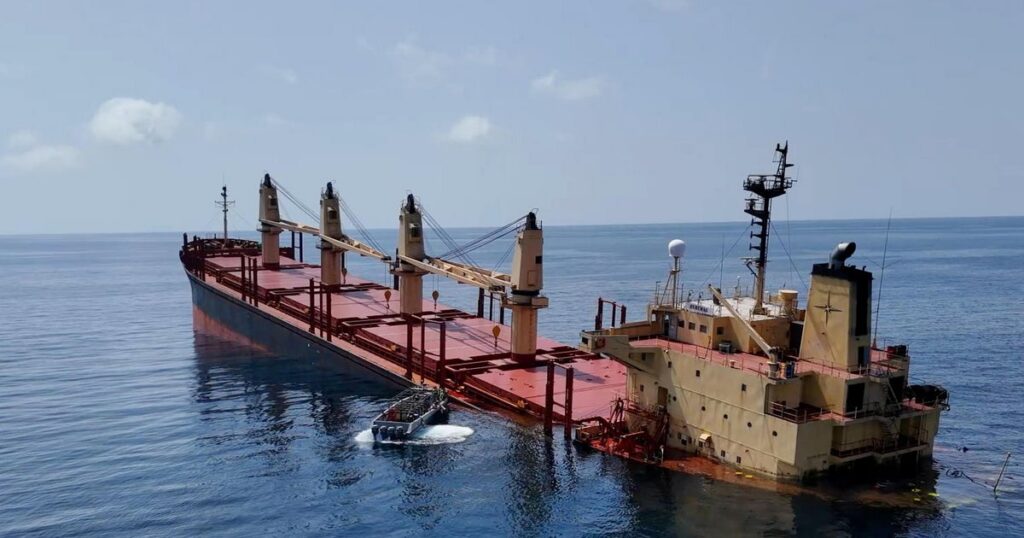
Iran’s Revolutionary Guard Corps has declared the Strait of Hormuz closed to unauthorized ships, significantly disrupting a key maritime route that handles about 20% of the world’s crude oil and causing Brent crude prices to surge above $110 per barrel. Iran has enforced this closure by turning back vessels, imposing hefty fees near Larak Island, and is considering formal legislation for these charges, while also hinting at threats to the Bab el-Mandeb Strait, another critical shipping lane. The closure and ongoing conflict have stranded around 20,000 seafarers in the region, led to casualties, and prompted calls from the UAE for a multinational force to secure the strait and stabilize global energy markets.
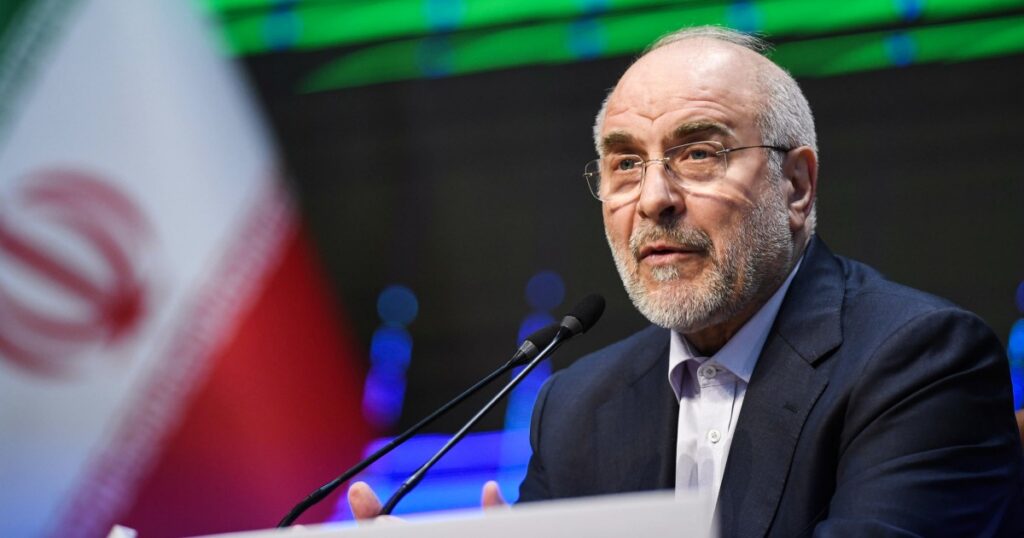
Tensions in the Strait of Hormuz remain high as Iran rejects U.S. claims of progress in negotiations and continues to enforce a blockade, turning back commercial ships and imposing hefty transit fees that violate international law. The situation has drawn condemnation from Gulf neighbors and global markets have reacted negatively, with rising oil prices and falling stock markets amid uncertainty. Internally, Iran’s leadership has shifted toward a hard-line, military-dominated faction led by figures like Mohammad Bagher Ghalibaf and Ahmad Vahidi, signaling a tough stance in any potential talks with the U.S.
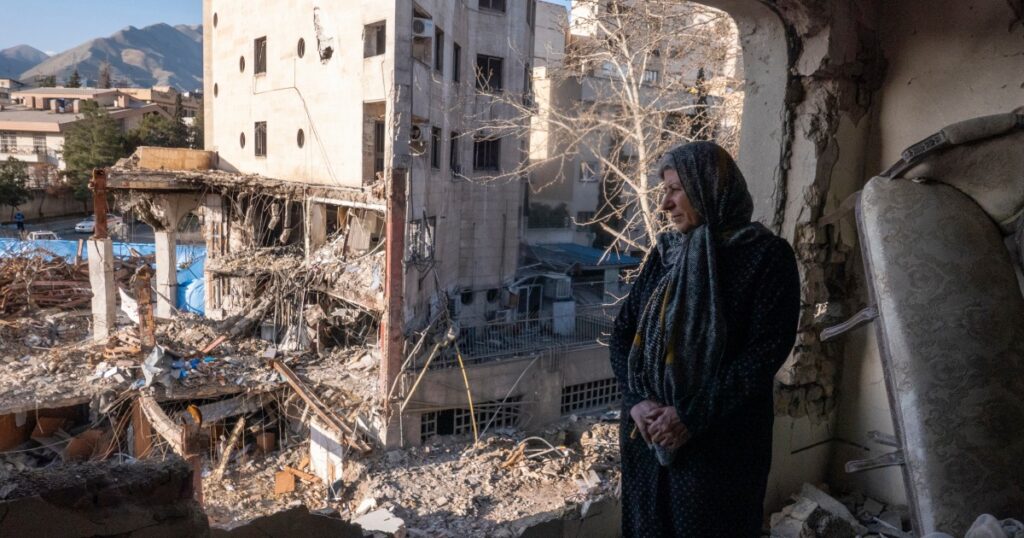
Tensions between the United States and Iran have sharply escalated over the closure of the strategic Strait of Hormuz, with the U.S. issuing an ultimatum threatening to target Iran’s energy infrastructure and Iran responding with warnings of retaliatory strikes on U.S. and Israeli assets. Military engagements have already occurred, causing significant disruptions to global oil supplies and surging prices, while international efforts to secure the strait face challenges due to Iran’s control over critical infrastructure through the IRGC. Experts warn that military action alone may not resolve the crisis and highlight the potential humanitarian risks of targeting energy infrastructure linked to civilian services, prompting calls for careful strategic decisions amid growing regional instability.