Key takeaways:
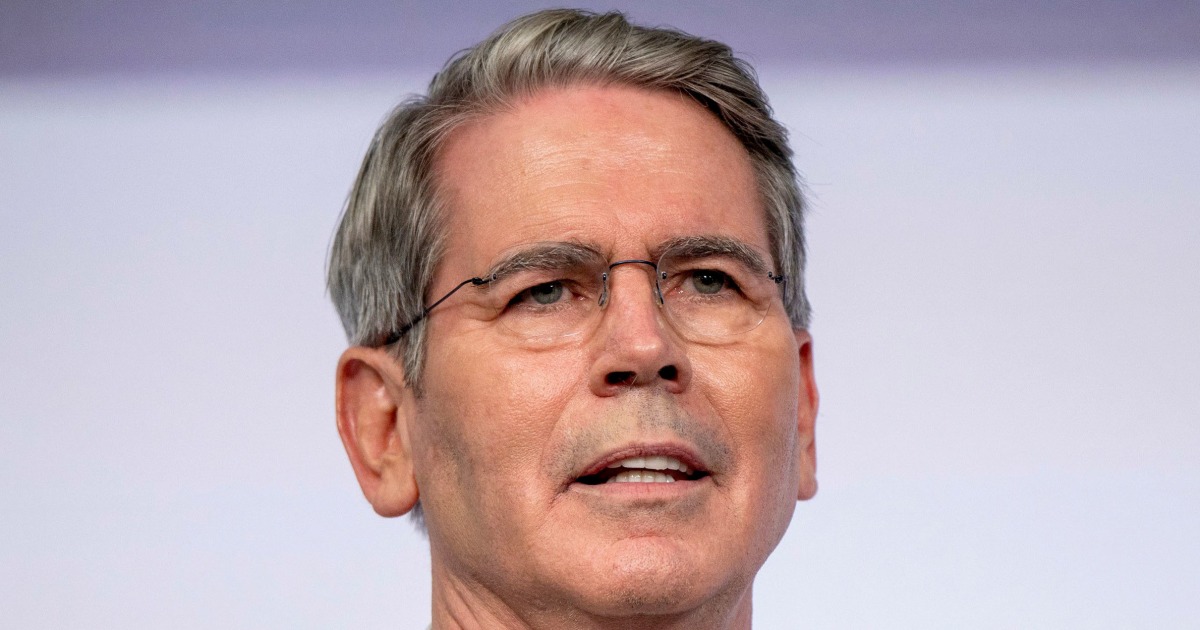
- U.S. Treasury Secretary Scott Bessent defended recent U.S. military strikes on Iranian infrastructure, emphasizing a strategy to “escalate to de-escalate” amid escalating tensions and President Trump’s warnings targeting Iran’s power plants.
- Iran threatened retaliatory attacks on U.S. and allied energy and infrastructure in response, while the U.S. has avoided directly targeting Iran’s oil infrastructure, instead focusing on other military assets and easing sanctions to release Iranian oil into global markets.
- Political opposition in Congress is growing, with Representative Jason Crow criticizing the administration for lack of congressional authorization, transparency, and a clear strategy, and calling for an end to the conflict and additional war funding.
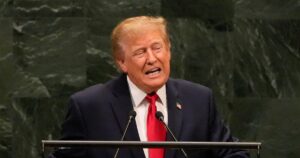
U.S. Treasury Secretary Scott Bessent defended recent U.S. military strikes on Iranian infrastructure amid escalating tensions between the two countries. Speaking on Sunday, Bessent stated that “sometimes you have to escalate to de-escalate,” in reference to the ongoing conflict that began in February with joint U.S. and Israeli operations against Iran. His remarks followed President Donald Trump’s warning on social media that Iranian leadership had 48 hours to reopen the Strait of Hormuz or face U.S. strikes targeting Iran’s power plants, starting with the largest facility.
Iran’s military command responded with a warning that any attacks on its fuel and energy infrastructure would prompt retaliatory strikes against U.S. and allied energy, information technology, and desalination systems in the region. Colonel Ebrahim Zolfaqari, speaking to the Iranian state news agency IRNA, emphasized the reciprocal nature of such attacks. Despite this, the U.S. has so far refrained from targeting Iran’s oil infrastructure directly, focusing instead on other military assets. Trump recently claimed that U.S. forces had “totally decimated” Kharg Island, a key Iranian oil hub, while deliberately avoiding damage to energy lines to prevent long-term rebuilding challenges.
Bessent also addressed the Treasury Department’s recent decision to ease sanctions by allowing the sale of Iranian oil that had been stranded at sea. He explained that this move would release approximately 140 million barrels of oil onto global markets, helping to alleviate supply pressures and reduce energy costs for U.S. allies in Asia. Bessent described the policy as a strategic maneuver to “jujitsu” Iran by using its own oil against it, noting that the oil was primarily destined for China at discounted prices. However, some experts and lawmakers expressed concern about the economic benefits this could provide to Iran amid the conflict.
Meanwhile, political opposition to the war is growing in Congress. Representative Jason Crow, a Democrat from Colorado and member of the House Intelligence Committee, criticized the administration’s handling of the conflict during an interview on CBS’s “Face the Nation.” Crow highlighted the lack of congressional authorization for the war and the absence of a clear strategy or endgame. He also questioned the administration’s transparency, stating that Congress and the American public have been “stonewalled” and sidelined. Crow opposed additional funding requests for the war, citing concerns over accountability and the Department of Defense’s financial management, and called for an end to the conflict, drawing parallels to prolonged U.S. engagements in Iraq and Afghanistan.



Be First to Comment