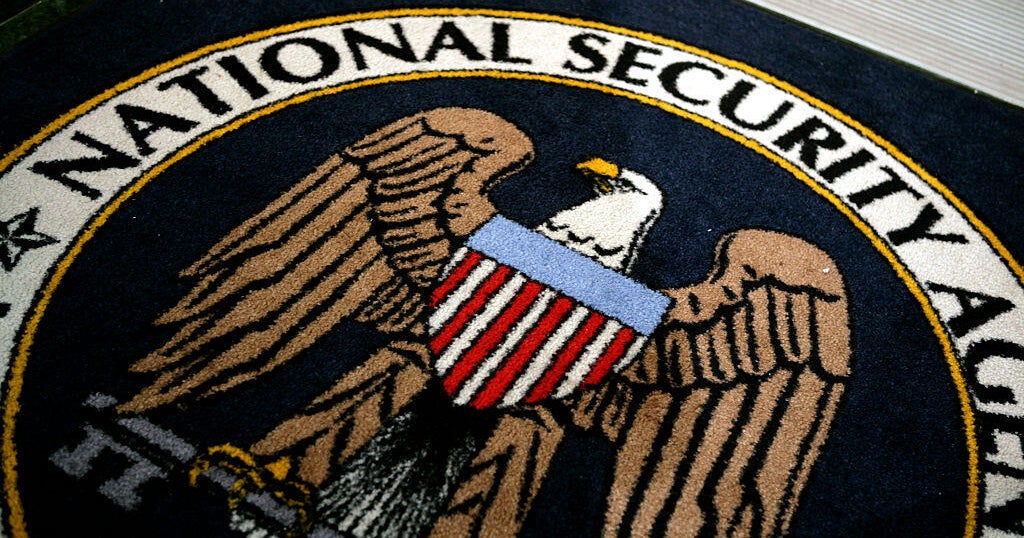
Section 702, a major U.S. surveillance authority used to collect foreign intelligence, is set to lapse after Congress failed to pass an extension. Lawmakers disagree over whether existing court approvals will keep the program operating without interruption.
Posts tagged as “The House Intelligence Committee”

The House is set to vote on a short-term extension of Section 702, but Democratic opposition over Bill Pulte’s appointment as acting intelligence chief could doom the measure. Lawmakers remain divided over civil liberties, national security and what happens if the authority expires Friday.
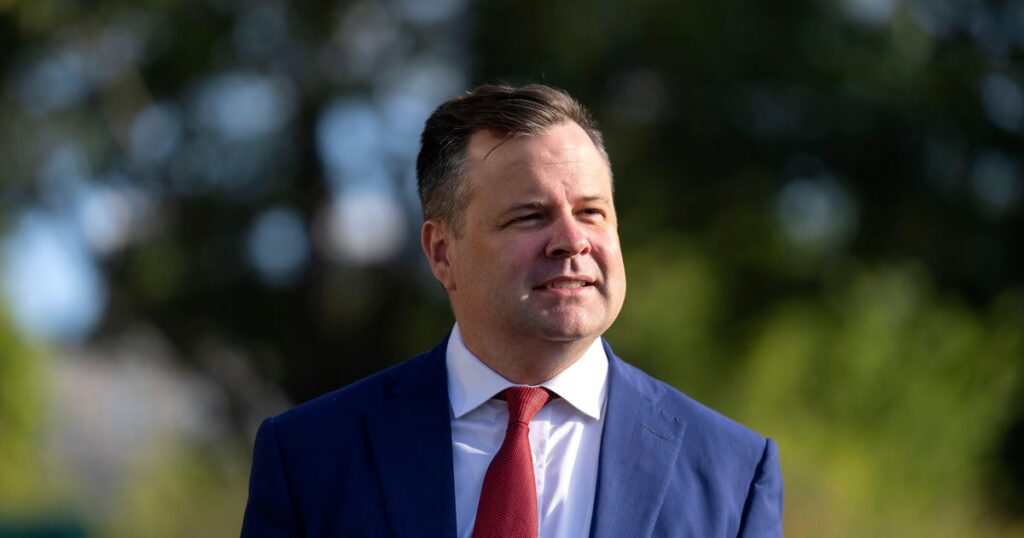
Trump said Bill Pulte will become acting director of national intelligence on June 19 while remaining head of the Federal Housing Finance Agency. The decision has sparked bipartisan concern and threatened renewal of Section 702, a surveillance authority set to expire Friday.
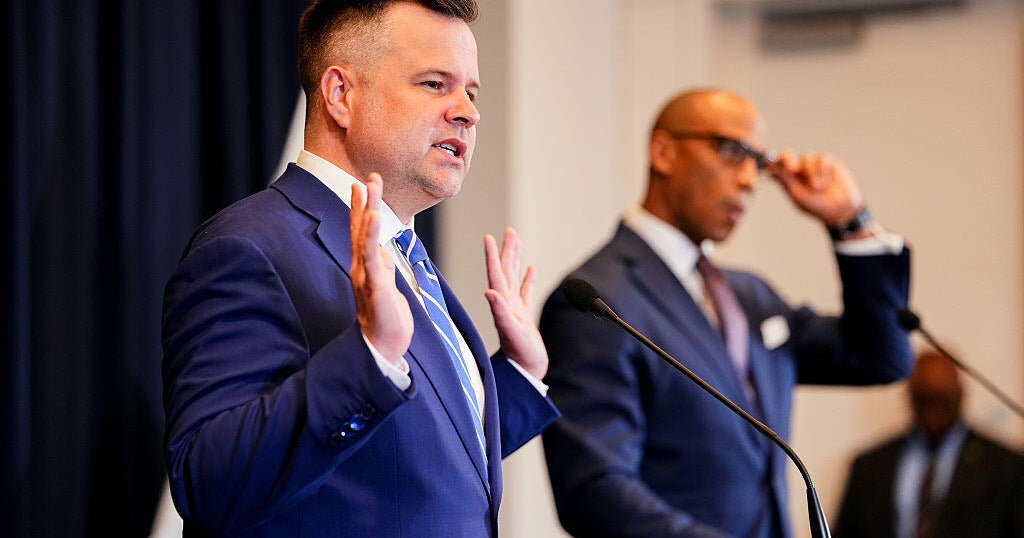
A push to renew Section 702 of the Foreign Intelligence Surveillance Act has stalled after President Trump named Bill Pulte acting director of national intelligence. Democrats and some Republicans say Pulte lacks the qualifications for the role and are pressing for a permanent nominee.

Rep. Eric Swalwell faces multiple sexual misconduct allegations from former staff and others, prompting House Democratic leaders to call for him to drop out of the California governor race. Swalwell denies the claims and vows to fight them.
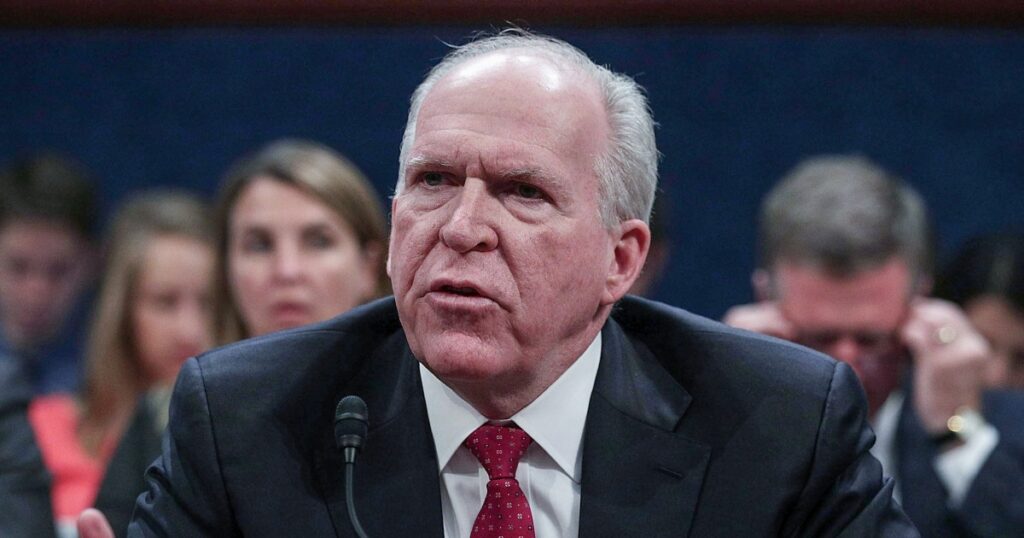
Minnesota has sued the Trump administration’s DOJ and DHS for obstructing investigations into three shootings involving federal officers during Operation Metro Surge, alleging withheld evidence and blocked access to critical information. The lawsuit claims violations of the Administrative Procedure Act and the 10th Amendment, with state officials denied access to key evidence and identities of involved federal agents. Separately, the DOJ has requested classified records related to former CIA Director John Brennan amid a grand jury investigation into his role in the 2016 Russia interference assessment, drawing criticism from Brennan’s legal team and political allies.
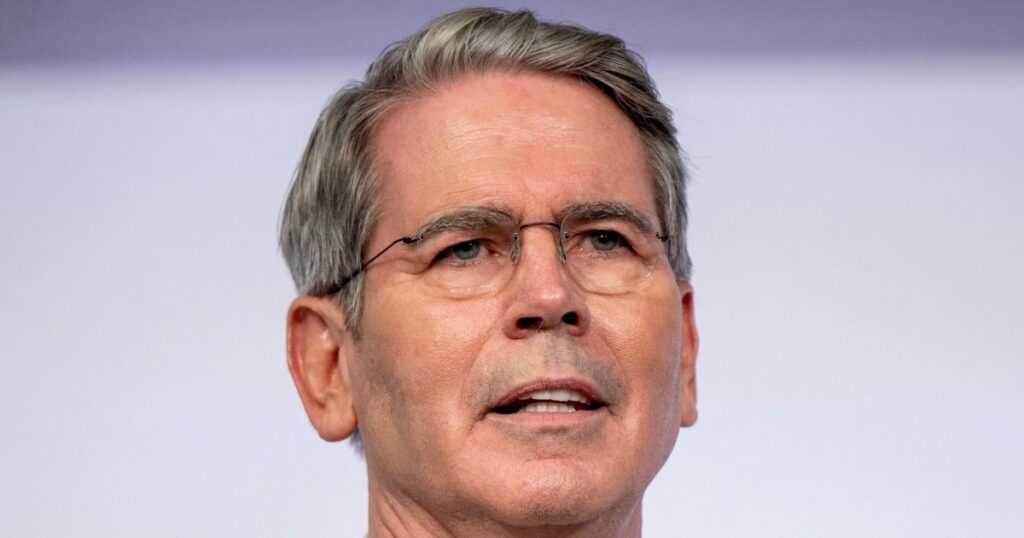
U.S. Treasury Secretary Scott Bessent defended recent U.S. military strikes on Iranian infrastructure as necessary escalations to de-escalate tensions, while also explaining the easing of sanctions to release Iranian oil onto global markets as a strategic move against Iran. Iran warned of retaliatory attacks on U.S. and allied infrastructure if its fuel and energy facilities were targeted, though the U.S. has so far avoided directly hitting Iran’s oil infrastructure. Meanwhile, growing political opposition in Congress criticized the administration for lack of authorization, transparency, and a clear strategy, calling for an end to the conflict.
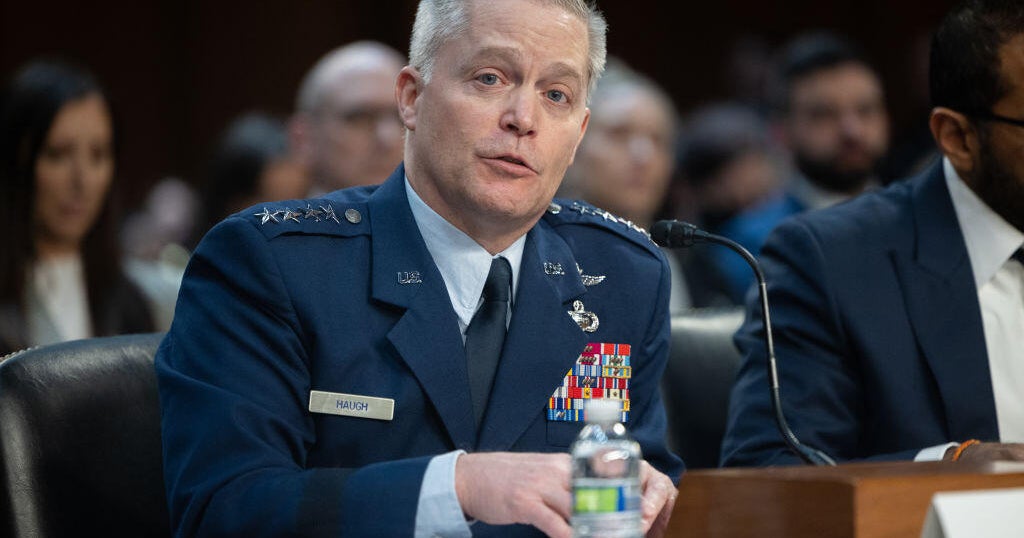
Significant leadership changes occurred at the National Security Agency (NSA) and U.S. Cyber Command with the removal of Gen. Timothy Haugh, confirmed by top Democrats on the House and Senate intelligence committees. Lt. Gen. William Hartman has been appointed as the acting NSA director, taking over from Haugh, who has over 30 years of experience in intelligence and cyber operations. The reasons for Haugh's dismissal remain unclear, and the implications of this leadership transition are yet to be fully understood.