Key takeaways:
- The Trump administration has conducted military operations against Iran without explicit congressional approval and plans to request up to $50 billion in emergency supplemental funding, which some view as retroactive authorization for the conflict.
- Legal experts note that while presidents have historically used emergency funding to justify military actions, Congress retains significant power to limit military options through control of appropriations, and existing defense funds may reduce the need for new emergency funding.
- The conflict has significant geopolitical and domestic impacts, including escalated military actions, disrupted oil shipments, rising fuel prices, and heightened security concerns, with ongoing debates over executive authority, congressional roles, and international diplomacy.
The ongoing conflict between the United States and Iran has raised significant legal and political questions, particularly regarding the authorization and funding of U.S. military actions. The Trump administration has engaged in military operations against Iran without explicit congressional approval, prompting debate over the legality of the war and the role of Congress in authorizing further action. Reports indicate that the administration plans to request an emergency supplemental funding bill from Congress, potentially amounting to as much as $50 billion, which some experts argue could serve as a retroactive authorization for the conflict.
Legal analysts highlight that while the Trump administration’s military actions against Iran currently lack formal congressional authorization, presidents have historically used emergency funding bills as a means to justify ongoing military engagements. Brian Finucane, a senior adviser at the International Crisis Group and former State Department attorney, cited the 1999 Kosovo operation under President Bill Clinton as a precedent where emergency funding was interpreted as extending the legal timeframe for military action. However, critics emphasize that Congress retains significant power through its control of appropriations and can withhold funding to limit the administration’s military options.
Despite the anticipated supplemental request, congressional sources note that the Department of Defense already has billions of dollars allocated but unspent for missile defense and related munitions, raising questions about the necessity of additional emergency funds. A senior congressional aide explained that replenishing depleted weapons stocks is a lengthy process involving contracting and manufacturing that can take years, and current appropriations, including those from the recently passed One Big Beautiful Bill Act (OBBBA), provide substantial resources for these efforts. The aide also mentioned that the administration could utilize general transfer authority to reallocate existing defense funds, suggesting that new emergency funding may not be essential for sustaining military operations.
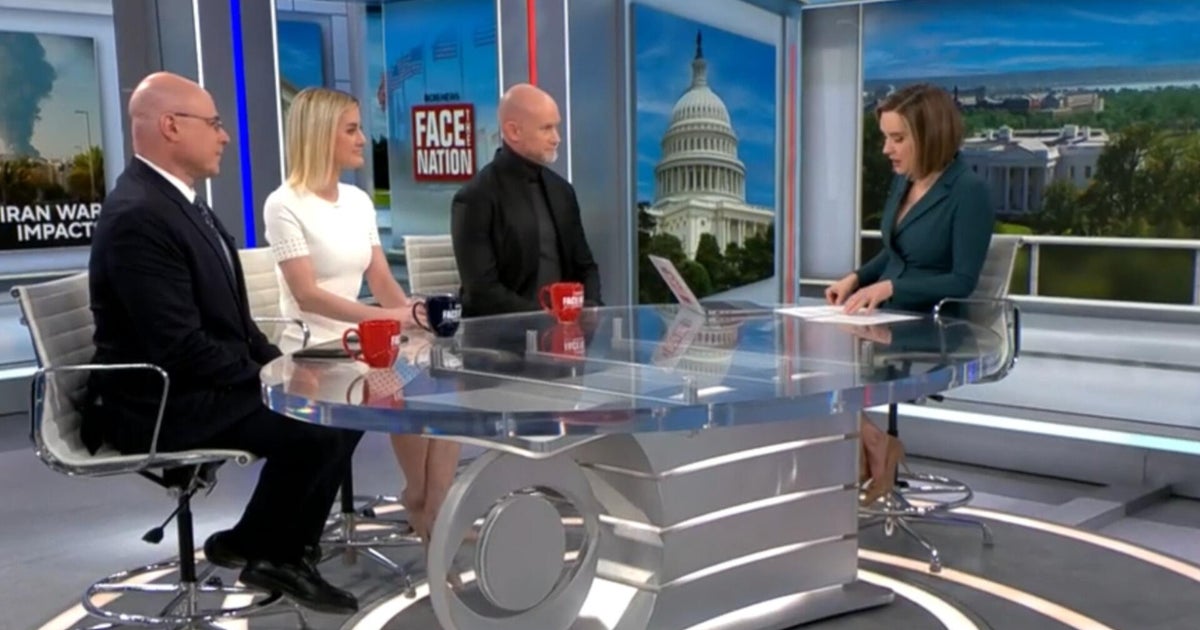
Meanwhile, the conflict’s broader geopolitical and economic impacts continue to unfold. On the March 15 broadcast of “Face the Nation,” Iranian Foreign Minister Abbas Araghchi reiterated Iran’s refusal to seek a cease-fire or negotiations, framing the conflict as a defensive response to what he described as an illegal war initiated by the United States. Araghchi criticized President Trump’s characterization of the conflict and accused the U.S. of committing war crimes. The program also highlighted escalating military actions, including Israeli strikes in Iran and Iranian missile attacks on U.S. and Israeli targets, as well as the disruption of oil shipments through the Strait of Hormuz. President Trump has called on U.S. allies, including China, to deploy warships to secure the vital shipping route amid Iran’s blockade efforts.
The conflict has also had domestic repercussions, with rising fuel prices affecting American consumers and increased security concerns following violent attacks within the United States. Congressional leaders from both parties, including Senator Mark Warner and Representative Dan Crenshaw, participated in the broadcast to discuss the evolving situation and its implications for national security and economic stability. As the war in Iran continues, the interplay between executive military action, congressional authority, and international diplomacy remains a focal point of debate and uncertainty.








Be First to Comment