Key takeaways:
- France says hackers remotely raised temperatures in supermarket refrigeration units during attacks on October 11 and 12.
- The Paris prosecutor’s office said 700 French retail locations were affected and roughly 20 fires were triggered.
- French prosecutors are investigating the leader of the IRGC-affiliated Shahid Kaveh cyber unit and his two deputies.
France has accused Iran’s Islamic Revolutionary Guard Corps of hacking supermarket refrigeration systems, spoiling millions of euros’ worth of food and prompting a criminal investigation into an Iranian cyber unit.
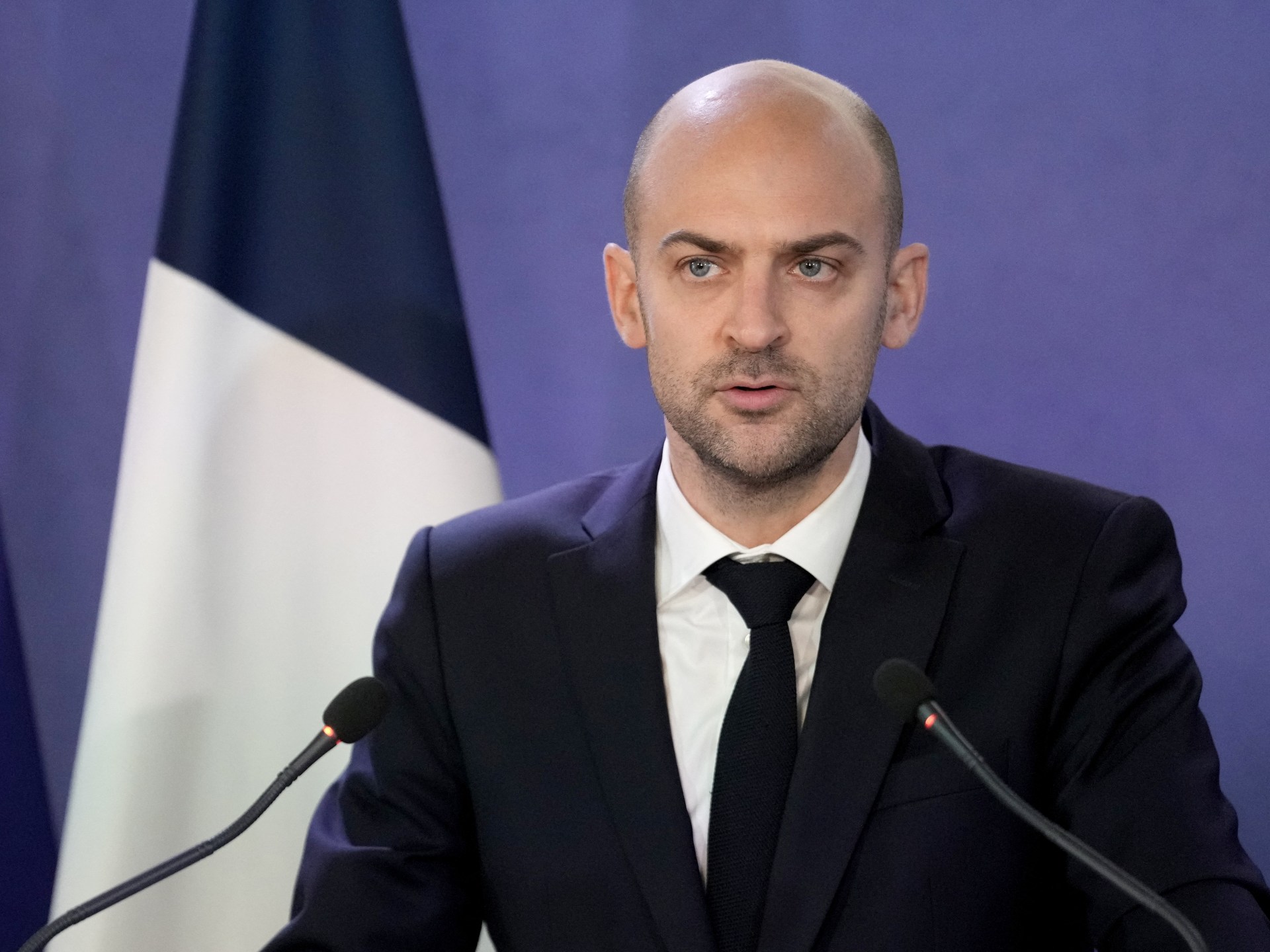
Foreign Minister Jean-Noël Barrot said the attacks on French supermarkets on October 11 and 12 were “unprecedented in both its scale and its level of aggression.” France summoned Iran’s ambassador to Paris to protest and would pursue sanctions at the European level against those responsible, he said. Iran had not responded to the allegations when they were reported.
“This attack was carried out by the Islamic Revolutionary Guard Corps of the Islamic Republic of Iran,” Barrot said. He described it as the first large-scale cyberattack aimed at sabotage on French territory and said France would take “any other necessary and proportionate measures” to deter a repeat.
The Paris prosecutor’s office said the October 11 attack affected 700 retail locations across France, caused significant food spoilage and triggered roughly 20 fires, according to CBS News. Hackers gained remote control of refrigeration equipment, started abnormal defrost cycles and disabled temperature alerts, the prosecutor’s office said. Temperatures in some units rose to 50 degrees Celsius overnight.
Major chains including Intermarché, Netto, Coopérative U, Carrefour, Monoprix and E.Leclerc were hit. The BBC reported that 180 Intermarché and Netto stores were affected; Al Jazeera put that figure at at least 300. Both reported that more than 100 Coopérative U supermarkets were targeted. Al Jazeera said Carrefour reported 80 affected stores, while Monoprix reported about 5% of its roughly 490 stores.
The attack targeted software supplied by Danish engineering firm Danfoss that lets retailers manage refrigeration units remotely, according to the BBC. Al Jazeera reported that rising temperatures also melted equipment in some stores.
Paris prosecutor Laure Beccuau identified the unit under investigation as Shahid Kaveh, which she said was affiliated with the IRGC’s electronic and cyber center. The prosecutor’s office has requested international arrest warrants for the unit’s leader and two deputies, Al Jazeera reported. According to CBS News, prosecutors said investigators found an attack method characteristic of the unit, including use of Persian and IP addresses tracing to devices in Iran.
Similar attacks later affected supermarkets elsewhere in Europe. The BBC reported that more than 100 stores were hit across Belgium, Luxembourg, Sweden, Ireland, the Netherlands, Estonia and Finland. It remains unclear whether those incidents are connected to the attacks in France. The BBC also reported that two Russian-aligned hacktivist groups claimed responsibility for the refrigeration attacks.
Separately, CBS News reported that investigators had not linked the supermarket attacks to a cyberattack on French blood banks or refrigeration outages at six U.S. military bases in August. The FBI said last week that it was seeing malicious activity targeting industrial refrigeration and cold-chain monitoring systems around the world, and urged organizations to keep controllers off the public internet.






Be First to Comment