Key takeaways:
- Netanyahu’s bloc won 53 seats, Eisenkot’s bloc 48 and two Arab-led lists 19 in the 120-seat Knesset.
- Eisenkot’s bloc and the Arab-led parties together hold 67 seats, but he and several allies have ruled out relying on their support.
- The president can give a candidate 28 days to form a government, with a possible 14-day extension; failure to form a majority could lead to another election.
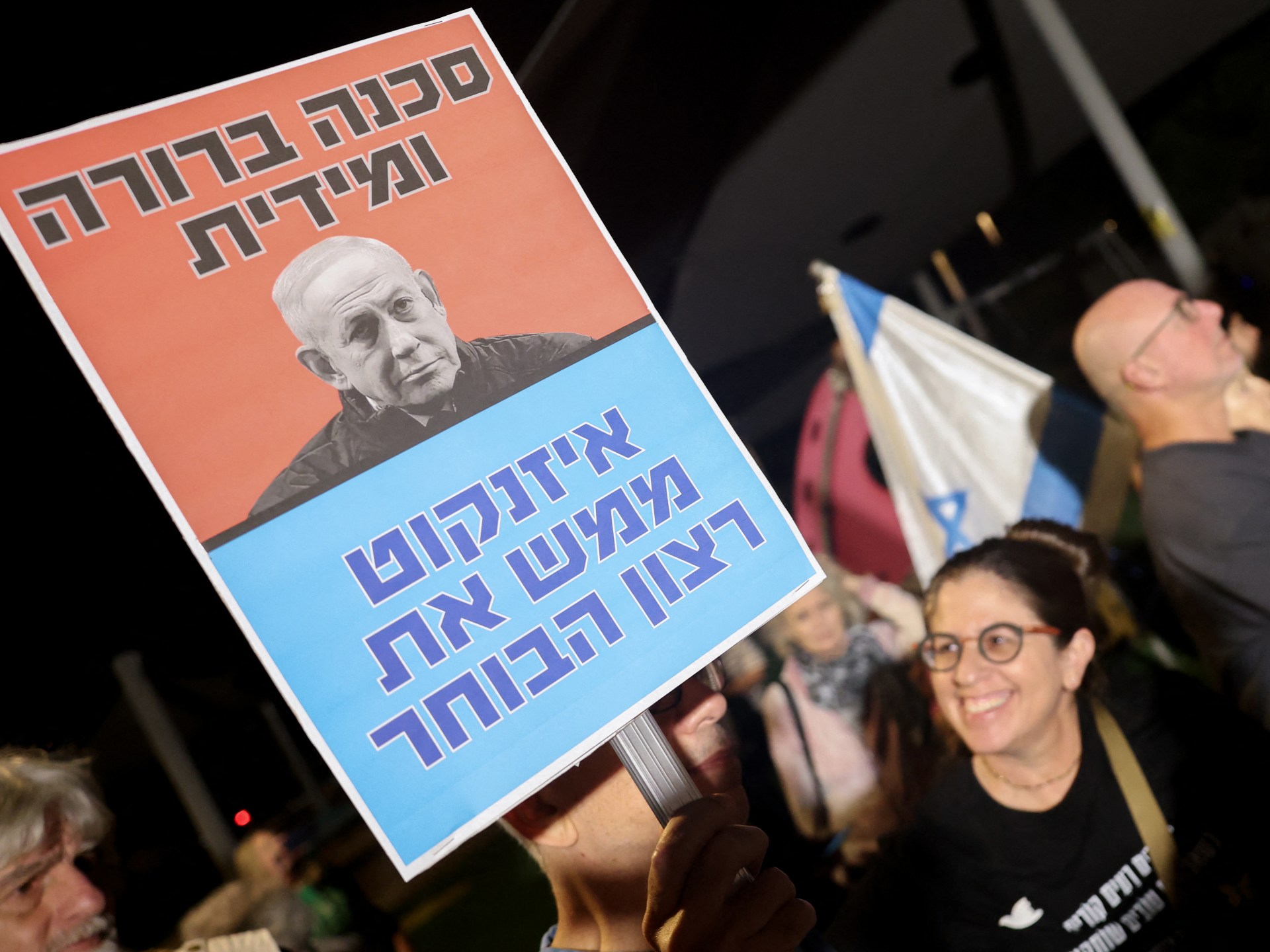
Israel’s election has left Prime Minister Benjamin Netanyahu and opposition leader Gadi Eisenkot short of a governing majority, with the parties representing Palestinian citizens of Israel holding seats that could decide who forms the next government.
Final results from the October 27 vote give Netanyahu’s bloc 53 seats in the 120-member Knesset, Eisenkot’s opposition bloc 48, and the two main Arab-led electoral lists a combined 19, Al Jazeera reported. A government needs the support of at least 61 lawmakers. Turnout was 77.9 percent.
The arithmetic offers Eisenkot a route to power: His bloc and the Arab-led parties together hold 67 seats. But Eisenkot and several allies have ruled out forming a government dependent on their support. Netanyahu has also rejected working with the Arab-led parties. “It is forbidden to form a government with them,” he posted on X on Friday, according to Al Jazeera.
Eisenkot has said the Arab parties’ positions on Hamas and the war in Gaza prevent him from governing with them, NPR reported. Some have refused to endorse the military goal of eliminating Hamas or to condemn it as a terrorist organization. Al Jazeera reported that Eisenkot has set conditions for potential partners, including recognition of Israel as a Jewish and democratic state; he has not said whether the Arab-led parties meet them.
The parties themselves have expressed interest in helping replace Netanyahu. Yousef Jabareen of the Joint List called for “Jewish-Arab partnership, a true and equal partnership.” Political analyst Ahmed Najar told Al Jazeera that Ra’am was open to joining an Eisenkot-led government, while the Joint List had left open the possibility of supporting a minority government from outside, subject to commitments on issues affecting Palestinian citizens of Israel.
Israel’s president, Isaac Herzog, will consult the elected parties and choose a lawmaker to try to form a government. The choice need not be the leader of the largest party. That candidate gets 28 days to secure a majority, with a possible extension of up to 14 days. If the attempt fails, another candidate can be given the task. Al Jazeera reported that a further 21-day period could allow 61 lawmakers to request that Herzog assign it to a Knesset member.
Other paths include a unity government joining Netanyahu and Eisenkot, defections between blocs or another election. Eisenkot has repeatedly promised not to serve in a Netanyahu-led government. Netanyahu’s traditional partners lack a majority, while Eisenkot cannot reach one without the Arab-led parties unless lawmakers from another bloc cross over.
Even without a new government, lawmakers opposed to Netanyahu could act together in parliament. NPR reported that Eisenkot’s bloc is considering replacing the Knesset speaker and seeking a state inquiry into the failures preceding the Hamas-led October 7, 2023, attack on Israel.
The deadlock could last weeks or months. If no candidate can assemble a majority, voters may have to return to the polls.






Be First to Comment