Key takeaways:
- Pacific Link would carry about one million barrels of crude a day from Alberta to British Columbia’s coast.
- Ottawa aims to complete a single federal review by September 1, 2027; construction could begin by 2032 if approved.
- The pipeline is projected to cost C$35.2 billion to C$43.7 billion, and Indigenous groups would be offered at least a 10% ownership stake.
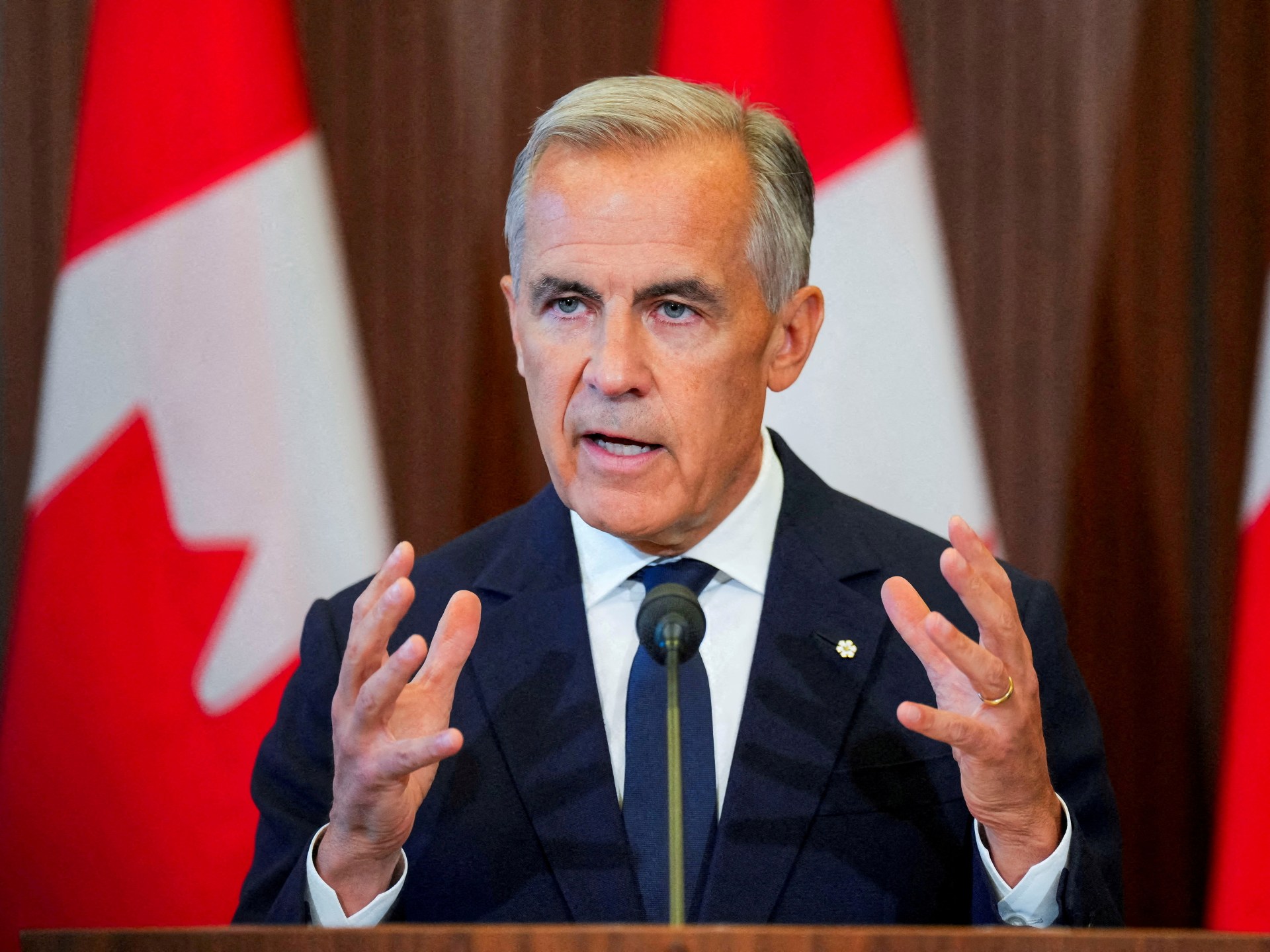
Canada will fast-track federal approval for a proposed oil pipeline to the Pacific coast, Prime Minister Mark Carney said Thursday, casting the project as a way to reduce the country’s reliance on the United States as a buyer of its crude.
Carney designated the Pacific Link pipeline a project of national interest, putting it on a single federal regulatory review track. Ottawa aims to finish that process by September 1, 2027, Al Jazeera reported. Construction could begin by 2032 if the project receives final approval, according to the BBC.
“A pipeline to the west coast is part of our mission to transform our economy, to double our non-US exports over the next decade,” Carney told reporters in Fort McMurray, Alberta. He said the project would help Canada realize its potential as a global energy “superpower.”
The proposed 1,250-kilometre (775-mile) pipeline would carry about one million barrels of crude a day from Bruderheim, Alberta, to a deep-water port near Delta, British Columbia. According to the BBC, the plan includes marine berths for vessels able to carry up to two million barrels of oil. Ships could then take the crude to markets including South Korea, China and Japan.
Canada sent about 90% of its crude oil exports to the United States last year, the BBC reported. Ottawa says the pipeline could lower that dependence to roughly 65% to 70%. Carney has argued that tariffs imposed by US President Donald Trump have exposed the risks of Canada’s close economic ties with its southern neighbour.
Carney said the project was expected to create 140,000 jobs. The BBC reported his estimate that it could add up to C$30 billion ($21 billion) to Canada’s annual gross domestic product. Al Jazeera gave Ottawa’s estimate as more than C$20 billion ($14 billion) in annual GDP and C$100 billion ($70 billion) in government revenue by 2060. The pipeline is projected to cost C$35.2 billion to C$43.7 billion.
The accounts differ on Pembina Pipeline Corporation’s role. Al Jazeera reported that government-owned Trans Mountain Corp would build the pipeline in coordination with Pembina, with the federal and Alberta governments as majority owners. The BBC reported that Pembina has a non-binding agreement for a 10% construction stake and an option for another 10% once the pipeline is operating. Both outlets reported that Indigenous groups would be offered at least a 10% ownership stake.
The proposal faces potential opposition from environmental groups and some Indigenous communities. Carney said discussions with many communities have begun and more intensive consultations will follow. The BBC reported that Ottawa has also worked on ocean protections, including measures concerning endangered Southern Resident killer whales, while Alberta has agreed to develop a carbon-capture programme to reduce emissions.
Carney announced the move alongside Alberta Premier Danielle Smith, as separatists seek a vote on the province’s future. The outlets described the upcoming vote differently: the BBC said Albertans would vote later this month in a referendum on independence, while Al Jazeera said an October 19 vote would decide whether to hold such a referendum. Smith said she would vote to keep Alberta in Canada. Asked about separatism, Carney called the pipeline “a demonstration of the power of Canada.”







Be First to Comment