Key takeaways:
- California Attorney General Rob Bonta said the settlement resolves a lawsuit brought by 12 Democratic attorneys general challenging the Paramount-Warner Bros. Discovery merger.
- Paramount agreed to release 30 films per year for the first two years, then 32 films annually for the next three years, or face a financial penalty.
- The settlement includes independent editorial boards for CNN and CBS News and a commitment to invest more than $1 billion in U.S. production and film releases.
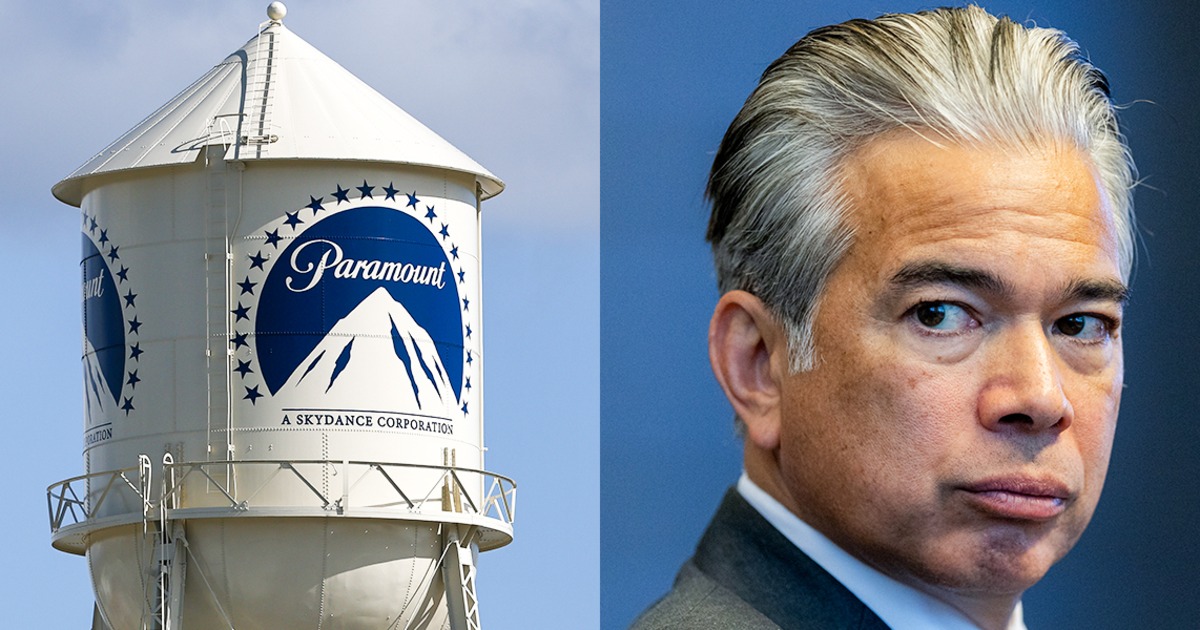
Paramount Skydance has settled a multistate antitrust lawsuit challenging its planned merger with Warner Bros. Discovery, clearing a major legal obstacle to a deal that would combine some of Hollywood’s best-known studios, streaming services and news organizations under one owner.
California Attorney General Rob Bonta announced the settlement Monday, resolving a challenge brought by 12 Democratic attorneys general who argued the merger would “extinguish competition” in Hollywood. NBC News and the BBC described the deal as valued at $110 billion, while NPR reported it as $111 billion and The Guardian described it as an $81 billion merger.
The transaction would bring together Paramount Pictures and Warner Bros. Pictures, Paramount+ and HBO Max, and CBS News and CNN under Paramount chief executive David Ellison. Bonta said state officials secured commitments intended to protect competition in film, television and broadcasting, but stressed that the agreement did not amount to an endorsement.
“The settlement is not a vote of support for this merger,” Bonta said, according to the BBC. “It is not a blessing of the broader merger.”
Under the settlement, Paramount agreed to release 30 films per year for the first two years after the deal, followed by 32 films in each of the next three years, or pay a fee if it misses those targets, NBC News reported. The Guardian reported that the financial penalty would be $30 million if the newly merged company fails to distribute 30 films per year in theaters. Bonta also said the combined company would invest more than $1 billion in production and film releases in the United States.
Paramount also agreed to establish independent editorial boards overseeing CNN and CBS News. NPR reported that the agreement will bind Paramount to operate Warner Bros. Studios and Paramount Pictures separately, at least for now, and create a board intended to insulate CNN from corporate intervention in newsroom decisions.
Ellison welcomed the settlement. “Our shared aim was an outcome that best serves consumers, workers and – most importantly -the creative community so vital to the art of visual storytelling,” he said in a statement reported by the BBC. “Having now addressed the State AGs’ and WGA’s concerns, we have complete clearance for this merger and look forward to putting these commitments into action.”
The lawsuit was filed July 13 by Bonta and attorneys general from Arizona, Colorado, Connecticut, Massachusetts, Minnesota, Nevada, New Jersey, New Mexico, New York, Oregon and Washington. They alleged the merger violated Section 7 of the Clayton Antitrust Act, which bars mergers likely to reduce competition. The states said the deal would reduce competition in wide-release theatrical film distribution, anticipated top-grossing movie distribution and the market for distributing basic cable channels to cable and satellite providers.
Paramount rejected the claims, calling the lawsuit “wrong on both the facts and the law” and “one of the weakest merger challenges in modern antitrust history.” Ellison had called the case the “final obstacle” to the merger in August and described the deal as “pro-competitive, pro-consumer and pro-worker,” The Guardian reported.
The Justice Department approved the merger on June 12, and the European Commission cleared it on July 21 with conditions, including that the company divest its stake in United International Pictures and avoid film distribution deals with Universal in the European Economic Area for 10 years. Paramount has also cited approvals in Australia, Canada and China.
The settlement comes after Paramount agreed to freeze the merger until the antitrust challenge was resolved or June 1, 2027, whichever came first. A federal antitrust trial had been scheduled for early March. Shares of Paramount Skydance and Warner Bros. Discovery rose more than 10% Monday as reports of the settlement circulated, NBC News reported.








Be First to Comment