Key takeaways:
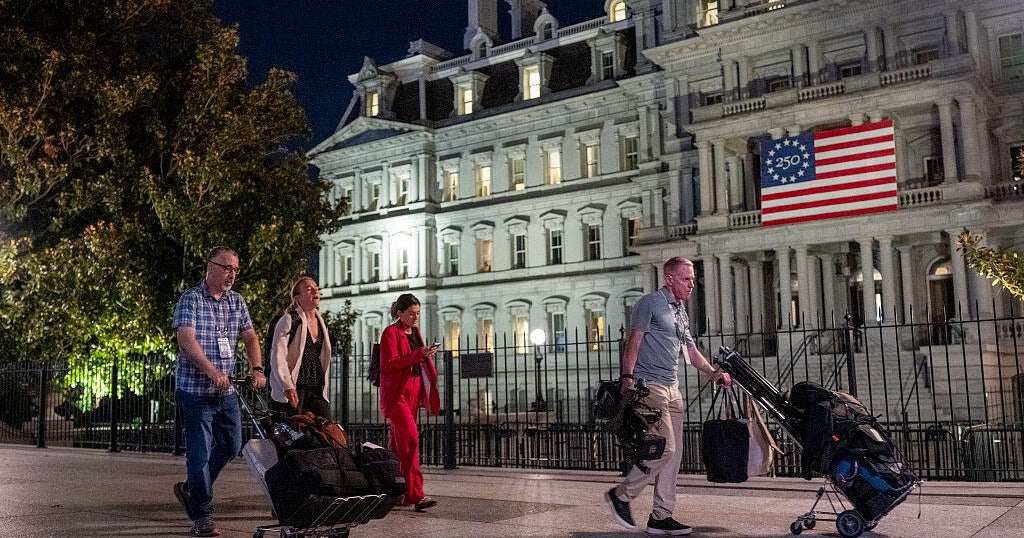
- CNN, MS NOW and Politico said their reporters were denied White House entry Saturday and had their press passes revoked after Trump announced a ban Friday.
- The outlets said they are suing in federal court in Washington to protect First Amendment rights and seek immediate restoration of access.
- Trump accused the organizations of producing “fake news” and said he did not have to allow them into “the people’s house.”
CNN, MS NOW and Politico said Monday they will sue the Trump administration after President Donald Trump barred the three news organizations from the White House, escalating a confrontation over press access and First Amendment protections.
The outlets said their journalists were denied entry Saturday and had their press passes revoked after Trump announced the ban Friday. In a joint statement, they said they were taking legal action to “protect our First Amendment rights and defend the principle that the government does not decide what the press reports or publishes.”
“Without notice or process, the White House revoked our journalists’ credentials because it objected to our reporting,” the statement said. “Left unchallenged, this threatens press freedom and the public’s right to independent journalism free from government interference.”
The lawsuit is being filed in the U.S. District Court for the District of Columbia, according to CNN as reported by The Guardian. The outlets are seeking fast action from a Washington judge to restore access and prevent further enforcement of the ban. CNN was scheduled to travel with the president Monday as part of the network pool team.
A legal motion from the organizations called the ban “a direct assault on the First Amendment.” It said, “Presidents from the earliest days of the Republic have disagreed with and complained about the tenor and content of press coverage of their administrations.”
Trump announced the ban in a Truth Social post Friday, accusing CNN, MS NOW and Politico of producing “fiction or lies” and “fake news” about his administration. Speaking to reporters after the announcement, he said there was “no reason” the ban was issued when it was and indicated it was not tied to a single specific story.
“I don’t think somebody should be allowed to come and write fake stories. They’re fake news. And they have no credibility,” Trump said. “Now, if they want to write them, that’s fine, but I don’t have to let them into my — into the people’s house.”
The BBC reported that Trump later said the ban was based on “cumulative stories over the last few years” and suggested there “may be others to join them.” Asked what he meant, Trump replied: “Others to come in terms of fake news? Well, you know, the New York Times is fake news, the Washington Post is fake news.”
The White House did not immediately respond to requests for comment from Reuters outside normal business hours, The Guardian reported. BBC News also said it had asked the White House for comment.
Press freedom advocates criticized the move. Reporters Committee for Freedom of the Press President Bruce Brown called the ban “flatly unconstitutional,” saying the decision to block the outlets from White House grounds amounted to “textbook viewpoint discrimination and will be quickly struck down by the courts if challenged.”
The dispute follows earlier legal fights over press access during Trump’s presidency. Last year, Trump barred The Associated Press from certain White House events after the wire service refused to adopt his proclamation renaming the Gulf of Mexico the “Gulf of America.” A federal judge in Washington initially ordered the White House to restore AP access, but an appeals court later allowed the restriction to take effect for certain limited spaces, including the Oval Office and Air Force One. The appellate judges said the White House could not bar journalists from areas “generally open to the press,” such as the briefing room, based on viewpoint.
During Trump’s first administration, the White House also tried to revoke CNN reporter Jim Acosta’s access. After CNN sued, a federal judge ordered Acosta’s press pass restored, finding that his Fifth Amendment due process rights had been violated.
The administration has also curbed media access at the Pentagon. Last year, the Defense Department required journalists with daily access to sign rules that included language suggesting reporters who “solicit” sensitive information could be deemed a security risk. Most major outlets declined to sign and left the building. After a judge struck down some rules earlier this year, the department began requiring reporters on Pentagon grounds to be escorted by government personnel, a policy an appeals court allowed to remain in place.



Be First to Comment